DJI Drone Case and Bag Guide: Match It to Your Travel
The right DJI drone case is the one that matches how you travel, and getting…
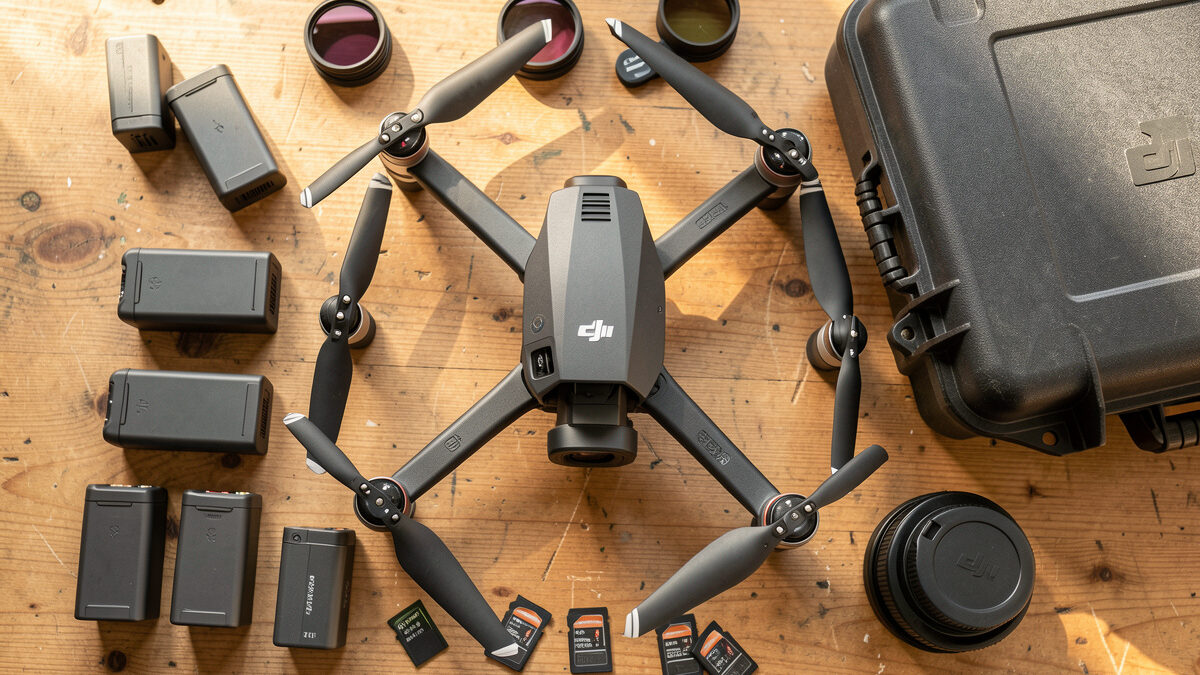
The accessories that actually matter for a DJI camera drone are the ones that protect the aircraft, sharpen the footage, or keep you legal — and that is a much shorter list than the bundle pages suggest. After four Swedish seasons flying a sub-250g Mini-class daily and a heavier Air-class for the bigger sensor, the kit that earns a permanent place in my bag is spare batteries, a set of ND filters, fast and correctly-rated memory cards, a hard case, and a landing pad. Most of the rest is invoice padding.
This guide is the map for the whole cluster. I walk through each accessory category the way I judge any gear on my benches — does it show up in the footage, does it keep the aircraft alive, or does it just show up on the credit card statement. I fly under EU open-category rules, so I also flag the one accessory that quietly changes which rulebook you fly under. Each section links to the deep-dive guide for that category.
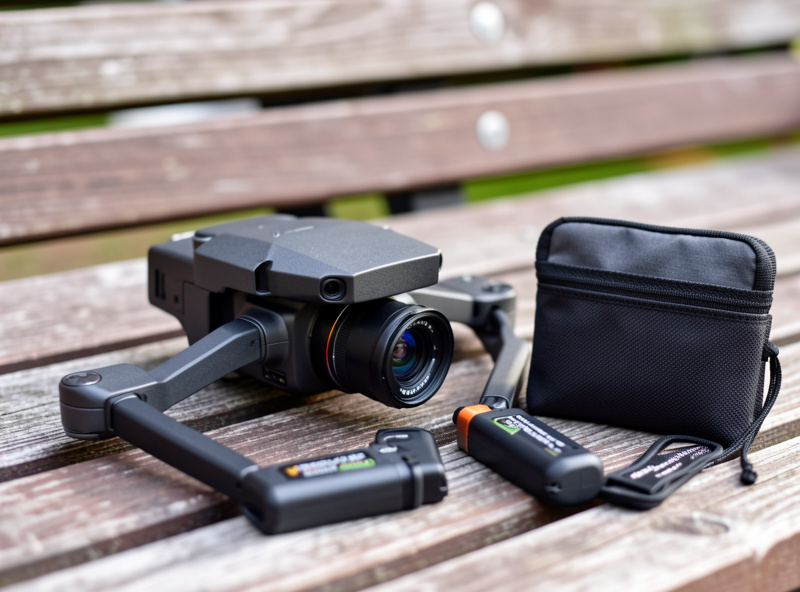
An accessory earns its place if it does one of three things: protects the aircraft, improves the image, or keeps your flying compliant. A spare battery buys flight time, an ND filter fixes motion in bright light, a hard case stops a cracked gimbal in transit. Everything else is optional, and a fair amount of it is dead weight.
I apply the same test I use at the soldering bench and the lens bench. If a part does not change an outcome I can measure — minutes in the air, sharpness on the card, a survived bump — it is decoration. The DJI ecosystem is enormous and the marketing pushes hard on the decorative end: gimbal stickers, propeller paint, knock-off “range boosters” that do nothing legal or useful. I ignore all of it. The list below is the gear that has actually changed how my flights end.
Spare intelligent flight batteries are the highest-value accessory you can buy for any DJI drone, full stop. A single Mini-class pack gives roughly 30-plus minutes on paper and meaningfully less in Swedish wind and cold; two spares turn a 25-minute window into a real shoot. Nothing else extends a session the way more batteries do.
Buy the genuine DJI intelligent batteries for your exact model — they talk to the aircraft, self-discharge to storage voltage, and report cell health. I treat them with the same discipline I bring to my FPV LiPos: storage charge between flights, never leave them full for weeks, and retire any pack that puffs or starts holding less. My full LiPo battery care guide applies to DJI smart packs too, and the storage charge habit is the single biggest thing you can do for battery lifespan. In a Swedish winter, the cold-weather rules matter even more — a cold pack sags voltage fast.
If you fly the Mini line, batteries are also where the 250-gram line gets interesting. DJI sells a higher-capacity “Plus” battery for some Mini models that pushes the aircraft past 250 grams, which moves it out of the lightest weight class and into a different set of rules. I cover that trade in the Mini 4 Pro accessories guide — the extra flight time is real, but so is the regulatory cost.
Genuine DJI intelligent batteries on Amazon are the only ones I buy; third-party packs are not worth the fire risk.
ND filters are the accessory that most directly improves your image, and they cost a fraction of anything else in the bag. A drone gimbal shoots at a fixed-ish shutter for natural motion blur, and in bright daylight that forces the camera to either overexpose or use an unnaturally fast shutter that makes footage look stuttery and video-game sharp. An ND filter cuts the light so you keep a cinematic 1/50 or 1/60 shutter.
This is the one place my lens bench earns its keep on the drone. The 180-degree shutter rule — shutter speed roughly double your frame rate — is the same on a gimbal as on a cinema camera. Shoot 30fps, you want a 1/60 shutter; in midday sun that means an ND8 or ND16 to drop the light enough. I carry a small set (ND8/ND16/ND32/ND64) and swap by conditions. The full breakdown of which strength for which light lives in the ND filters for DJI drones guide.
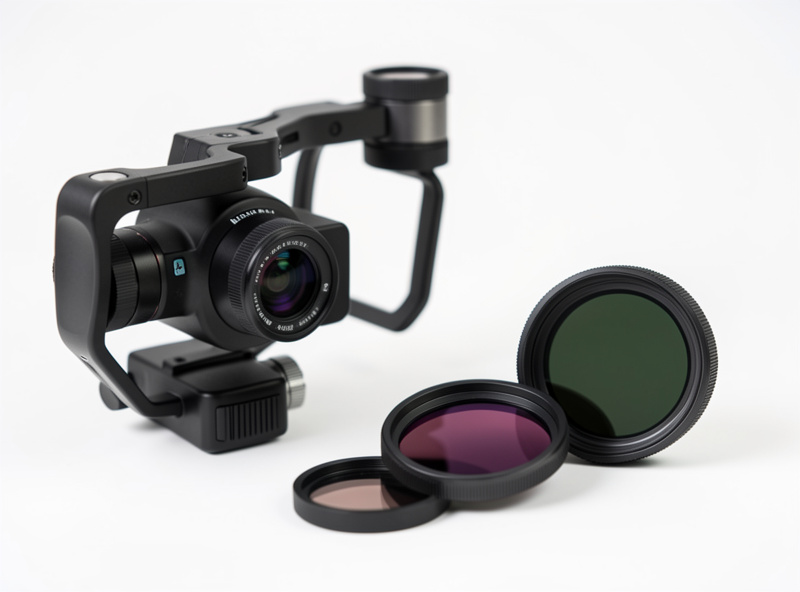
If your footage looks harsh and choppy in bright conditions despite a good camera, the fix is almost never a new drone — it is a five-dollar piece of glass. That is the kind of upgrade I respect: it shows up in the footage, not just on the invoice.
The memory card is the accessory people get wrong most often, and a slow card can stop a recording mid-clip or corrupt a flight’s worth of footage. DJI drones write high-bitrate video — modern models push 100 Mbps or more — and the card has to sustain that write speed without choking. The marketing capacity number on the front means nothing; the speed class on the side is what matters.
For DJI video you want a card rated V30 at minimum (UHS Speed Class 3 / U3), and for the higher-bitrate 4K modes I prefer V30 or better from a brand that actually publishes sustained write numbers. Counterfeit cards are rampant — a “512GB” card that is really a relabeled slow 64GB will fail in the worst possible moment. I buy from known sellers and test new cards before they go in the air. The full card-picking logic, including capacity math for how much 4K a card holds, is in the memory card guide for DJI drones.
Transport kills more drones than crashes do. A gimbal is a precision assembly on a soft mount, and a loose drone rattling in a backpack is how you crack a gimbal ribbon or bend a motor. A proper hard case or a fitted shoulder bag is cheap insurance, and which one you want depends entirely on how you travel. I break down hard cases versus soft bags versus the official DJI bag in the DJI drone case and bag guide.
Prop guards are the protection accessory with a catch. Indoors or around people they genuinely reduce the odds of a prop strike, but on a sub-250g Mini they add enough weight to push the aircraft over 250 grams — which, as I explain in the prop guard guide, changes your weight class and the rules you fly under. They are a real safety tool with a real regulatory cost, and you should make that trade on purpose, not by accident.
A landing pad solves a specific, annoying problem: grass, sand, and gravel get sucked into the gimbal and motors on takeoff and landing. A cheap collapsible pad gives you a clean, visible launch surface and saves your downward sensors from confusion over tall grass. It is not glamorous, but in the field it is one of the accessories I actually use every flight. The sizing and material details are in the landing pad guide.
On the control side, some DJI drones can be flown with either a standard controller that uses your phone as the screen, or a controller with a built-in bright screen. The built-in-screen controller is a genuine quality-of-life upgrade — no phone fiddling, brighter in sun — but it is not cheap and not every flyer needs it. I lay out who should pay for it in the smart controller versus standard controller comparison. If you are coming from the FPV side, my FPV radio controller guide covers the very different world of acro radios.
Here is how I rank the categories by what they actually return. “Image” means it shows up in the footage; “protection” means it keeps the aircraft alive; “compliance” means it touches the rules you fly under.
| Accessory | What it returns | Priority | Rough cost |
|---|---|---|---|
| Spare batteries | Flight time | Essential | High |
| ND filters | Image quality | Essential | Low |
| Fast memory card (V30+) | Reliable recording | Essential | Low |
| Hard case or bag | Protection in transit | High | Medium |
| Landing pad | Gimbal/motor protection | Useful | Low |
| Screen-built-in controller | Quality of life | Optional | High |
| Prop guards | Strike protection (weight cost) | Situational | Low |
If you fly a sub-250g Mini, weight is a regulatory variable, not just a spec. The whole point of the 250-gram line is that the lightest class gets the friendliest open-category rules — you can fly closer to uninvolved people in the A1 subcategory. Bolt on anything that pushes the aircraft over 250 grams — heavy prop guards, the high-capacity battery — and you lose that privilege and fly under the rules for the next class up.
This is not legal advice and it is not me telling you a number to trust blindly — regulations change and they differ by country. I fly under EASA open-category rules and I check the official source before I assume anything. Read my plain-language take on why 250 grams matters, the sub-250g drone guide, and the EU registration guide — and note that even a sub-250g camera drone still needs operator registration in the EU because it has a camera. The C0/C1/C2 class marks are the other half of this picture. For the official rules, go to EASA directly: easa.europa.eu civil drones.
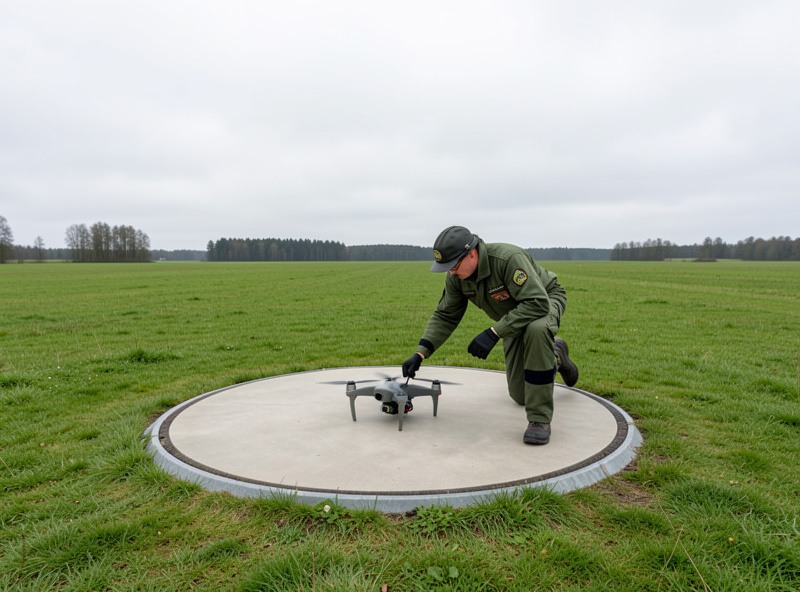
My standard kit for a day’s filming: the aircraft, three batteries on storage charge until the morning of, an ND set in a tiny pouch, two tested memory cards, a landing pad clipped to the outside, and the whole lot in a fitted case. That is it. The image standards come from the lens bench, the battery discipline from the electrical bench, and the protection habits from too many years of moving fragile gear. None of it is exotic, and all of it earns its place. When I travel with the sub-250, the packing logic changes a little — I cover that in traveling with a drone.
If you are still choosing a camera drone rather than kitting one out, start with the DJI camera quality breakdown and the broader drone camera guide — the accessories follow the aircraft, not the other way around. And if you want to understand what the small sensor in a Mini can and cannot do before you spend on filters, my piece on sensor size in small drones sets honest expectations.
The fastest way to spend money on a drone is to buy the accessories that do nothing measurable, and the DJI aftermarket is full of them. I skip aftermarket propellers — DJI props are balanced for the aircraft and a cheap unbalanced set adds vibration that the gimbal has to fight, which can actually soften your footage. I skip “signal boosters” and antenna mods, which range from useless to outright illegal on the transmit power they imply. I skip gimbal locks sold separately when the case already cradles the gimbal, and I skip decorative skins entirely.
I am also wary of all-in-one “accessory kits” that bundle one useful item with five filler ones. You usually pay more for the bundle than for the two parts you actually wanted bought separately. My rule is simple: I buy the specific battery, the specific filter set, the specific card, and the specific case for my model — never a grab-bag. The same skepticism I bring to a quad parts list, where every gram and every connector has to justify itself, applies just as hard to a camera-drone bag. If a part cannot tell me what outcome it changes, it does not fly.
Not every flyer needs every accessory, and the right kit depends on what you shoot. A landscape and travel flyer living on a sub-250g Mini should prioritize batteries, ND filters, and a compact case, and should think hard before adding anything that crosses the 250-gram line. A flyer doing closer, more technical work around obstacles gets more value from prop guards and a landing pad, and should read the weight trade carefully. A serious hobbyist shooting in changing light all day benefits most from a full ND set and a screen-built-in controller for sun visibility.
I run two flight lines for exactly this reason — the sub-250 Mini for the regulation-friendly travel shots and a heavier Air-class for the bigger sensor when image quality leads. The accessory bag shifts with the aircraft. On the Mini, the bag is built around staying light and legal. On the Air, weight is less of a constraint, so I lean harder into image accessories and protection. Decide which flyer you are before you spend, because the wrong kit is not just wasted money — a bag full of unused accessories is weight and clutter you carry to every flight. If you are unsure which class of aircraft suits you, the honest limits of the Mini class is the piece I would read first.
As an Amazon Associate I earn from qualifying purchases.
Spare batteries, ND filters, and a fast V30 memory card are the three essentials because each changes a measurable outcome: flight time, image quality, and reliable recording. A hard case and a landing pad are the next tier for protecting the aircraft. Most bundle extras are optional.
Yes, noticeably in bright light. An ND filter cuts incoming light so the gimbal can keep a natural 1/50 to 1/60 shutter instead of an unnaturally fast one, which removes the choppy, stuttery look daylight footage often has. It is the cheapest upgrade that visibly shows up in the video.
A V30 (UHS Speed Class 3 / U3) card is the practical minimum because DJI drones write high-bitrate video, often 100 Mbps or more, and a slower card can stop a recording or corrupt footage. Buy from known sellers to avoid counterfeit cards that lie about their real speed.
Some do. Heavy prop guards and high-capacity Plus batteries can push a Mini over 250 grams, which moves it out of the lightest weight class and into a stricter set of open-category rules. ND filters, cases, and memory cards do not affect flight weight. Check the official regulator before assuming.
I do not use them. Genuine DJI intelligent batteries communicate with the aircraft, self-discharge to a safe storage voltage, and report cell health, which third-party packs often cannot do reliably. The small saving is not worth the fire and reliability risk on a flying lithium pack.
It is useful rather than essential. A landing pad gives a clean, visible launch surface that keeps grass, sand, and gravel out of the gimbal and motors and helps the downward sensors over tall vegetation. A cheap collapsible pad is one of the accessories I use on almost every flight.
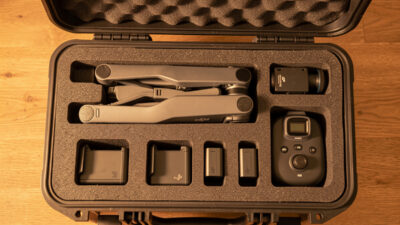
The right DJI drone case is the one that matches how you travel, and getting…
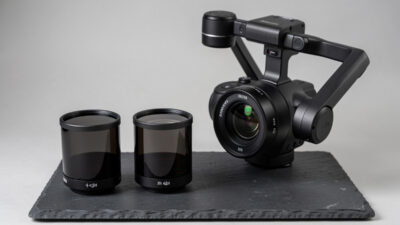
ND filters fix the single most common problem in daylight drone footage: choppy, stuttery motion…
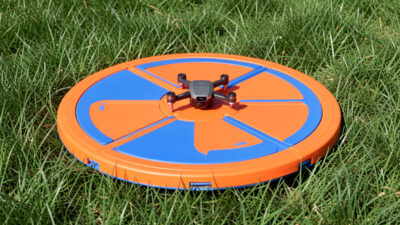
A drone landing pad solves one specific, expensive problem: grass, sand, gravel, and dust thrown…
Leave a Reply