ND Filters for DJI Drones: A Pilot-Builder Guide
ND filters fix the single most common problem in daylight drone footage: choppy, stuttery motion…
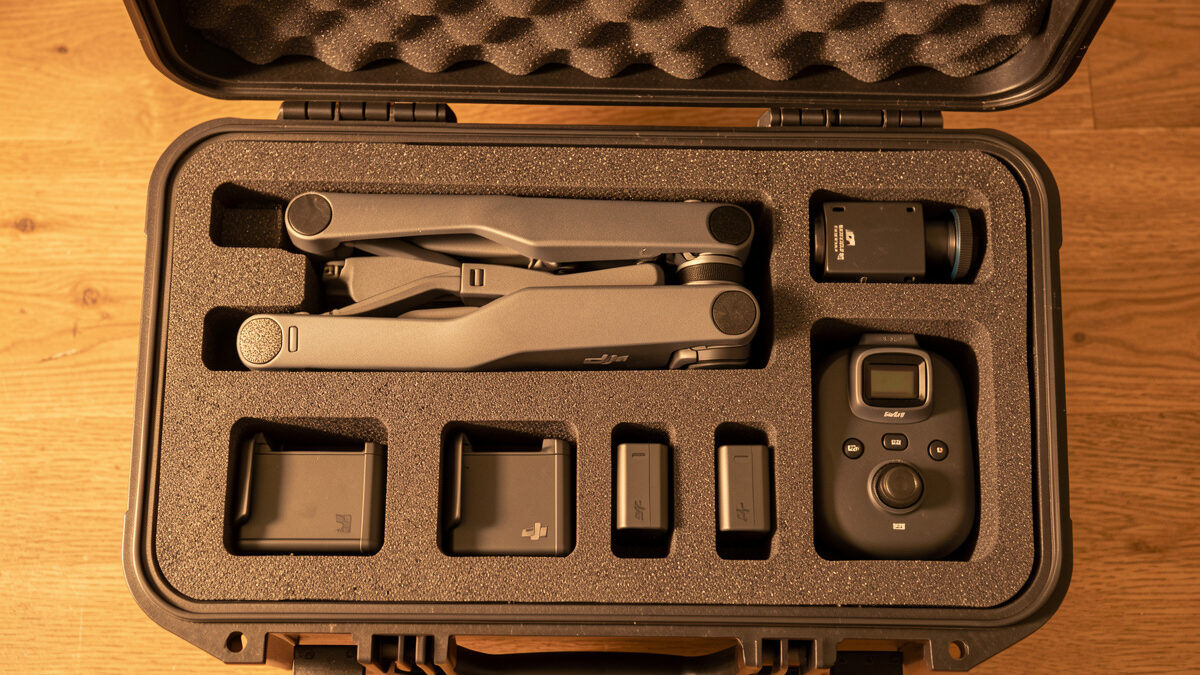
The right DJI drone case is the one that matches how you travel, and getting it wrong is how you crack a gimbal. Transport — not crashes — is what kills most camera drones, because a precision gimbal on a soft mount hates being jostled loose in a backpack. A fitted hard case protects best for checked travel and rough handling; a fitted shoulder bag is faster and lighter for day trips; the official DJI bag is a competent middle ground. After four seasons of moving a Mini-class and a heavier Air-class around Sweden, here is how I choose, and what I actually carry.
This is the protection chapter of my DJI drone accessories guide. Cases are unglamorous, but a fifty-dollar case that prevents a cracked gimbal is the best money in the bag.
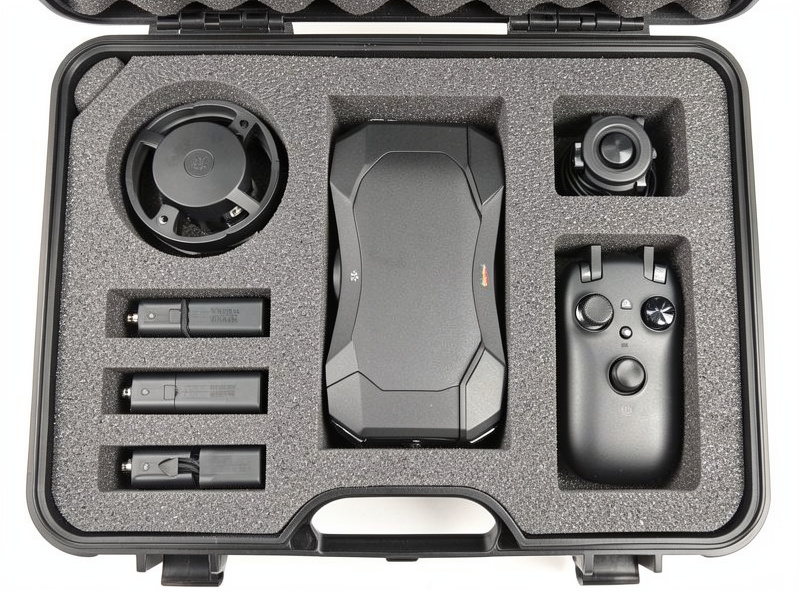
The failure mode is almost always the gimbal. A camera gimbal hangs on a soft, spring-loaded mount so it can stabilize, and that same softness means a sharp knock can over-travel it and crack a ribbon cable or bend the assembly. The second failure is bent or nicked propellers from loose objects pressing against them, and the third is connector and port wear from grit getting into an unprotected bag. A good case solves all three by cradling the aircraft so the gimbal cannot move, holding the props in a neutral position, and keeping dust out.
This is why I never just drop a drone into a general camera bag. The drone needs to be held in a shaped pocket that supports the body and protects the gimbal specifically. Every case decision below is really a decision about how well the gimbal is cradled versus how fast and light you want to be.
A hard case — a rigid shell with custom foam cutouts — is what I use for checked luggage, car trips over rough roads, and any time the drone might get crushed by other gear. The foam holds the folded aircraft, batteries, controller, and filters each in their own cutout so nothing shifts. The trade is bulk and weight: a hard case is the heaviest, least convenient option, and it is overkill for a quick walk to a local field.
If you fly a heavier drone, travel by air, or have had a transport scare already, the hard case is worth it. Look for one rated to cradle the gimbal specifically and with cutouts sized for your exact model — a generic foam block lets the aircraft rattle. Hard cases for DJI drones on Amazon come in model-specific versions worth seeking out.
For day flying — drive to a spot, walk in, shoot, walk out — a fitted shoulder bag is what lives in my car. It holds the folded drone, two or three batteries, the controller, filters, and a landing pad with far less bulk than a hard case, and it is fast to open and pack. The protection is good rather than maximal: enough for normal handling, not enough for airline baggage handlers.
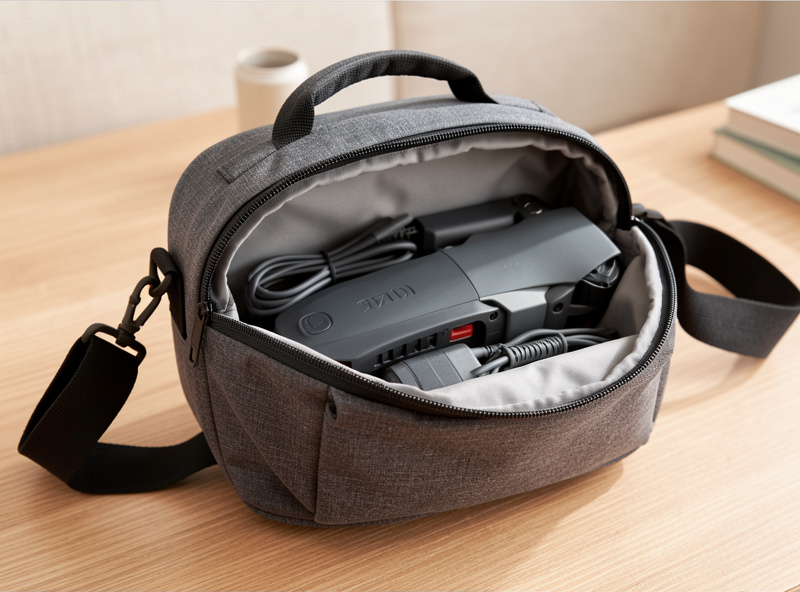
This is the option most flyers actually want most of the time. A bag with a structured, padded interior and a dedicated gimbal-protecting pocket gives you 90 percent of the protection at half the bulk. If you only buy one carry solution and you do not fly commercial routes, a good fitted shoulder bag is it.
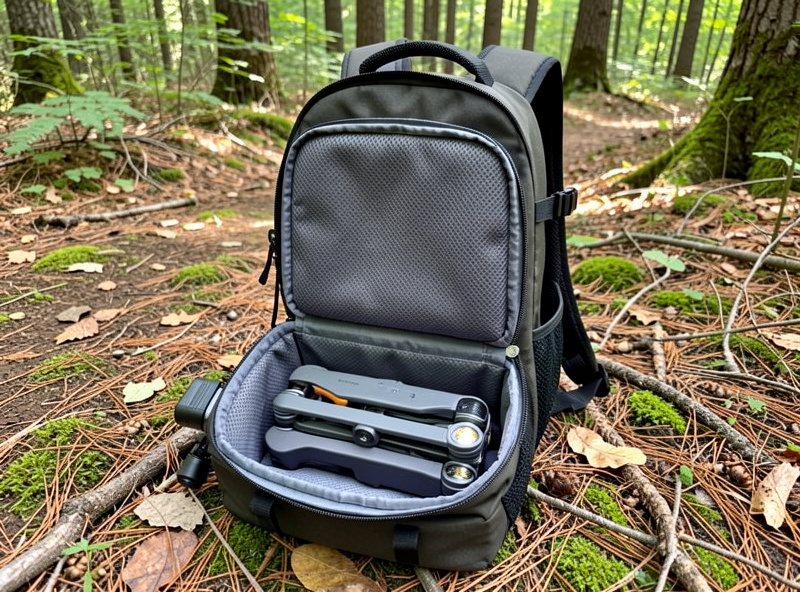
If your best light is at the end of a trail, a drone backpack carries the aircraft, batteries, and a small camera kit comfortably over distance with both hands free. The good ones have a padded, structured drone compartment and external straps for a tripod or landing pad. The trade is that backpacks tempt you to overpack, and a soft backpack panel protects the gimbal less than rigid foam. For trail-to-summit landscape work, though, nothing else is as comfortable to carry.
DJI sells its own shoulder bags and includes a basic carry solution in some Fly More combos. They are competent, model-fitted, and convenient, but often lighter on protection than a dedicated third-party case and sometimes pricier for what you get. If one came with your drone, it is a fine starting point — fly with it, and upgrade to a hard case only if you start traveling rough or by air. There is no need to buy a case twice if the included one matches your flying.
| Case type | Protection | Bulk | Best for |
|---|---|---|---|
| Hard case | Maximum | High | Air travel, rough handling, heavier drones |
| Shoulder bag | Good | Low | Everyday drive-and-fly day trips |
| Backpack | Good | Medium | Hiking to remote shots, hands-free carry |
| Official DJI bag | Moderate | Low | Starting out, casual local flying |
Match the case to your most demanding regular trip, not your easiest. If you fly air routes a few times a year, buy the hard case and use it for everything — the reverse, buying a soft bag and hoping it survives a checked flight, is how gimbals die. If you never fly commercial, skip the hard case and put the money toward a better everyday bag and a spare battery.
Whatever the case, the discipline is the same: drone in its shaped pocket with the gimbal supported, batteries on storage charge in their own slots, props neutral and not pressed against anything, filters in a hard pouch, and a landing pad on the outside. I never store the drone in a sealed case with fully charged batteries for long periods — that is bad for the packs and, in the rare worst case, a fire risk. My battery care guide covers the storage-charge habit that keeps packs healthy between trips, and the traveling with a drone guide covers the airline-specific rules for carrying lithium batteries in the cabin.
A case spec sheet rarely mentions the two things that actually matter in the field: water resistance and the gimbal clamp. A water-resistant zipper or a rubber-sealed hard case earns its money the first time you get caught in Nordic drizzle on the walk back to the car — electronics and damp do not mix, and a soaked controller is an expensive lesson. I look for sealed seams or a rain cover on any bag I will carry far from shelter.
The other detail is whether the case holds the gimbal clamp or cradle. Some DJI drones ship with a small plastic gimbal protector that locks the camera in place for transport, and a good case has a pocket for it or a cutout that does the same job. If your case lets the gimbal swing free while it bounces in the boot of a car, the protection rating on the box does not mean much. I always transport with the gimbal either clamped or cradled, never loose.
Finally, think about how the case opens. A clamshell that dumps its contents when you unzip it on uneven ground is a recipe for a battery rolling down a hill. I prefer a case that opens flat and holds everything in place so I can pull just the drone and one battery without unpacking the lot. Small thing, but in the field it is the difference between a calm launch and a scramble.
As an Amazon Associate I earn from qualifying purchases.
Yes, because transport damages more drones than crashes do. A camera gimbal sits on a soft mount and a knock in an unprotected bag can crack a ribbon cable or bend the assembly. Even a basic fitted bag that cradles the gimbal and holds the props neutral prevents the most common and expensive failure.
Choose a hard case if you travel by air or handle the drone roughly, since rigid foam cutouts give maximum protection. Choose a fitted shoulder bag for everyday drive-and-fly trips where speed and low bulk matter more. Match the case to your most demanding regular trip, not your easiest one.
Generally yes, with the drone and its lithium batteries in your carry-on, never checked luggage, following the airline’s watt-hour limits and terminal protection rules. A hard case protects the aircraft from rough handling. Always check your specific airline and destination rules before flying, as they vary.
For starting out and casual local flying, yes. The official bags are model-fitted and convenient but usually offer less protection than a dedicated hard case. If one came with your drone, use it and only upgrade to a hard case if you begin traveling by air or over rough ground.
Keep the drone in its shaped pocket with the gimbal supported, props neutral, and batteries on storage charge rather than full. Do not leave fully charged lithium packs sealed in a hot case for long periods, since that shortens battery life and carries a small fire risk. Store the case somewhere cool and dry.
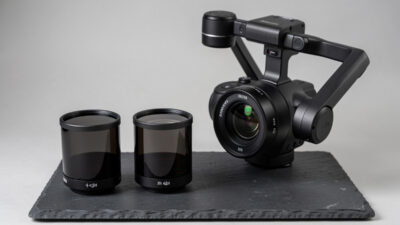
ND filters fix the single most common problem in daylight drone footage: choppy, stuttery motion…
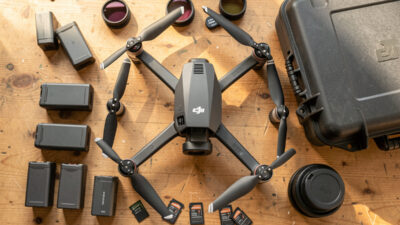
The accessories that actually matter for a DJI camera drone are the ones that protect…
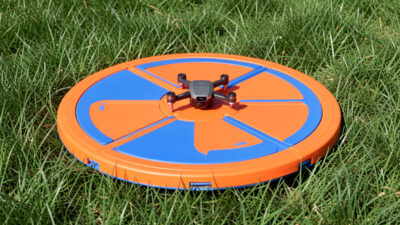
A drone landing pad solves one specific, expensive problem: grass, sand, gravel, and dust thrown…
Leave a Reply