EU Drone Regulations: The Complete Guide for Pilots
The EU drone rules all flow from one rulebook: Regulation (EU) 2019/947, administered by EASA…
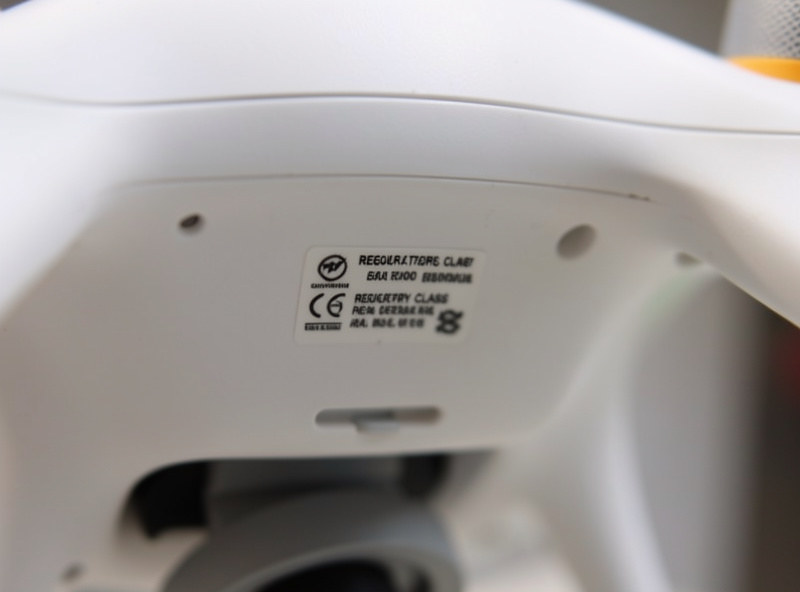
The little C-class label on a new EU drone — C0, C1, C2 and so on up to C6 — is the single sticker that decides where you are legally allowed to fly it. C0 is the sub-250g class that flies in A1 over people. C1 is under 900 g and also flies in A1 with extra conditions. C2 is under 4 kg and unlocks A2, flying close to people. Read the class mark before you read the camera specs, because it sets the legal envelope for the life of the aircraft.
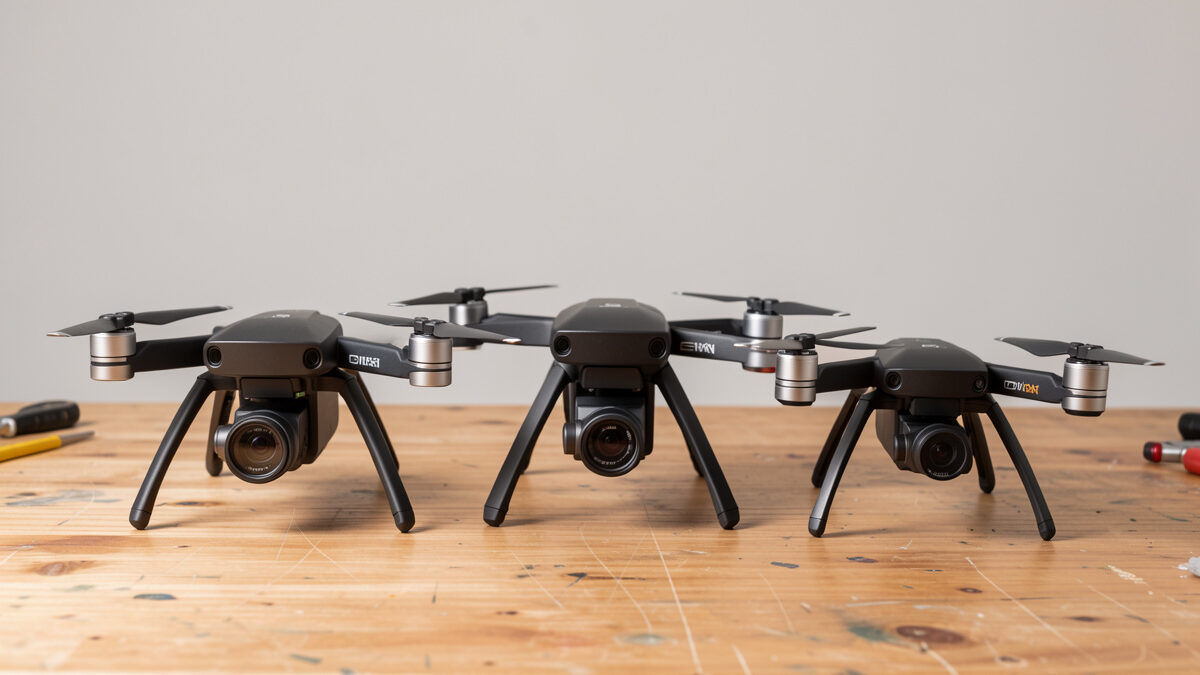
When the EU drone framework matured, manufacturers began stamping each new model with a class identifier that maps it to an Open-category subcategory. It is the most pilot-friendly part of the whole system: instead of cross-referencing weight tables, you glance at a label. This guide walks through C0, C1 and C2 — the three classes almost every hobby pilot will ever touch — and points up to the heavier classes. Every threshold here comes from EASA’s drone framework under Regulation (EU) 2019/945, and because class-mark detail has changed during the framework’s rollout, confirm the current specifics with EASA before relying on them.
A C0 drone weighs under 250 grams and has a maximum speed of 19 metres per second in level flight. It flies in subcategory A1, which means over uninvolved people (never over assemblies), and it is the only class that does not require direct remote identification broadcasting. This is the class of the popular sub-250 camera drones, and it exists precisely because a sub-250g aircraft carries little enough energy that overflight is considered low-risk.
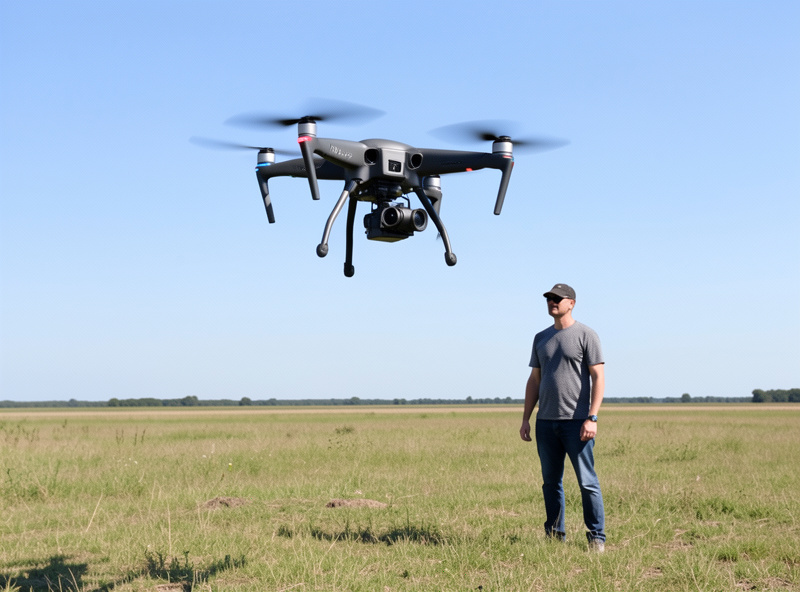
C0 is where my daily camera drone lives, and it is the reason I can fly in places a heavier machine could not. The catch people forget: a C0 drone with a camera still needs operator registration, because registration is triggered by the camera, not just the weight. The class mark frees you from a lot — remote ID, the proximity rules — but it does not free you from putting your operator number on the aircraft.
A C1 drone weighs under 900 grams (or transfers less than 80 joules of energy on impact) and also flies in subcategory A1. The difference from C0 is the extra equipment the regulation demands: C1 drones must carry direct remote identification, geo-awareness that warns you near airspace limits, a low-battery warning, and a unique serial number. They also have a defined sound-power limit. In A1, brief overflight of uninvolved people is tolerated, but you should not deliberately hover over them.
C1 is the sweet spot for a more capable camera drone that still wants A1’s freedom near people — you get a bigger sensor and longer range than a C0 typically offers, while staying out of A2’s certificate requirement. The trade is that 900-gram bracket: a C1 drone falling has more energy than a C0, so the framework asks for remote ID and geo-awareness in return for the A1 privilege. For how A1 actually plays out near people, see the flying near people guide.
A C2 drone weighs under 4 kilograms and is the class built for subcategory A2 — flying close to people. Its defining feature is a low-speed mode: in A2 you must normally stay 30 metres horizontally from uninvolved people, but with a C2 drone’s low-speed mode engaged that distance drops to 5 metres. C2 drones also require remote ID and geo-awareness, and flying one in A2 requires the separate A2 certificate of remote pilot competency.
C2 is where serious camera work happens near people without breaking the rules — a heavier rig with a real sensor, slowed right down, working a scene at measured distance. But it is also the class that asks the most of you: the extra certificate, the discipline to actually engage low-speed mode, and the judgement to read 5 versus 30 metres correctly. The class detail and the subcategory rules work together, which is why I always read them alongside the A1, A2 and A3 guide.
Above C2 the classes are for bigger machines and more demanding operations. C3 and C4 are under 25 kg and fly in A3, far from people — C4 being the “model aircraft” class with no automated control modes, aimed at traditional RC fliers. C5 and C6 are not Open-category classes at all: they are built for the Specific category’s standard scenarios, STS-01 and STS-02, where you fly under a declaration with extra competency. Most hobby pilots never need anything above C2.
If your ambitions ever grow past the Open category — beyond line of sight, or closer to people than A2 allows — C5 and C6 are the drones that pair with the Specific category and STS certificate. For now, knowing they exist is enough; you will not stumble into needing one by accident.
| Class | Max weight | Subcategory | Key extra requirements |
|---|---|---|---|
| C0 | Under 250 g | A1 | None mandated; no remote ID required |
| C1 | Under 900 g | A1 | Remote ID, geo-awareness, serial number |
| C2 | Under 4 kg | A2 and A3 | Remote ID, geo-awareness, low-speed mode |
| C3 / C4 | Under 25 kg | A3 | Remote ID (C3); C4 has no auto modes |
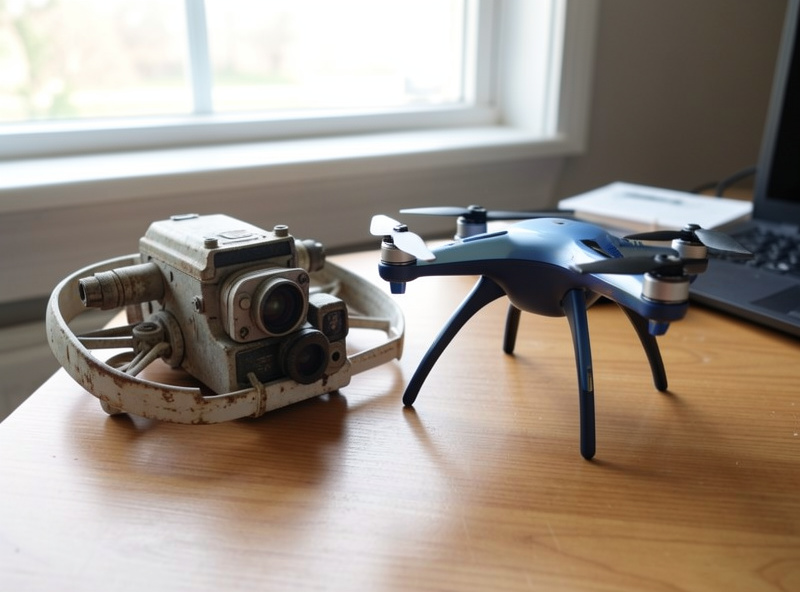
If your drone was placed on the market before the class-mark system applied, it is a legacy aircraft with no C-label — and it is not grounded, but it is limited. Under the transitional arrangement, a legacy drone under 250 g flies in A1, and a legacy drone from 250 g up to 25 kg is restricted to A3, far from people. That is why an old 900-gram drone, which would fly A1 with a C1 mark, is stuck in A3 without one.
This trips up owners of older heavier drones constantly: same weight, completely different legal envelope, purely because of the sticker. If you fly a legacy machine, treat A3 as your default for anything over 250 g and check whether a retrofit option exists for your model. The transitional details have shifted dates more than once, so this is exactly the kind of rule to verify on EASA rather than trusting an old forum post.
The class mark is a physical label on the aircraft — usually a small printed symbol showing the class number inside a stylised outline — and it should also appear on the box and in the manual. On a new drone bought in the EU it is unmissable once you know to look. If you genuinely cannot find one, assume the drone is legacy and fly it under the transitional rules rather than guessing it qualifies for a class it never earned.
One honest warning: a class mark is granted to a specific model in a specific configuration. Bolt on a payload, a bigger battery or anything that pushes it past its class weight limit and you have arguably left the class behind. I keep my camera drones stock for exactly this reason — the class mark only protects you while the aircraft matches the configuration it was certified in. When in doubt about whether a given accessory voids a class, the manufacturer’s documentation and EASA are the authorities, not the marketing copy.
The C-class mark is a label from C0 to C6 that tells you which Open or Specific category subcategory a drone was built for. It maps the drone to a legal flying envelope based on its weight and equipment, so you can tell at a glance whether it flies in A1, A2 or A3. Verify class detail at EASA.
C0 drones weigh under 250 grams and need no remote ID, flying in A1. C1 drones weigh under 900 grams and must carry direct remote ID, geo-awareness and a serial number, also flying in A1. C1 buys more capability but adds equipment requirements compared with C0.
A C2 drone, flown in subcategory A2, lets you fly close to people. The normal distance is 30 metres horizontally, dropping to 5 metres with the C2 low-speed mode engaged. Flying in A2 also requires the separate A2 certificate of remote pilot competency. Confirm the current rules with EASA.
You cannot apply a class mark yourself; it is granted at manufacture. Some manufacturers offer retrofit options or firmware that brings a model into a class, but an unmarked legacy drone generally stays legacy. Check your manufacturer and EASA for whether any retrofit path exists for your specific model.
No. C0 drones are exempt from the direct remote identification requirement. C1 and above must broadcast remote ID. This is one of the practical advantages of the sub-250g C0 class, alongside its A1 flying privileges. Always confirm current remote ID rules with EASA and your national authority.
Legacy drones placed on the market before the class system can still fly under transitional rules: under 250 grams in A1, and from 250 grams up to 25 kilograms in A3 only. They cannot use A2. The transitional dates have changed over time, so verify the current position on EASA.
Class marks are only useful next to the subcategories they unlock. The EU drone regulations hub ties it all together, the Open category guide explains A1/A2/A3, and the registration guide covers the operator number every class still needs. For the weight-class story behind C0, my why 250 grams matters piece is the companion read.
The EU drone rules all flow from one rulebook: Regulation (EU) 2019/947, administered by EASA…
The EU Open category splits into three subcategories — A1, A2 and A3 — and…
Leave a Reply