The Sub-250g Drone Guide: What the Weight Class Really Buys You
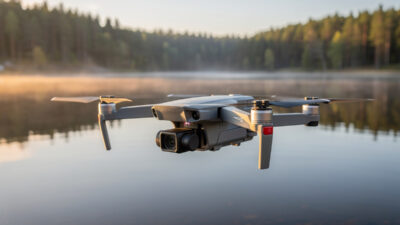
The sub-250-gram drone is the single most consequential weight class in consumer flying, and most…
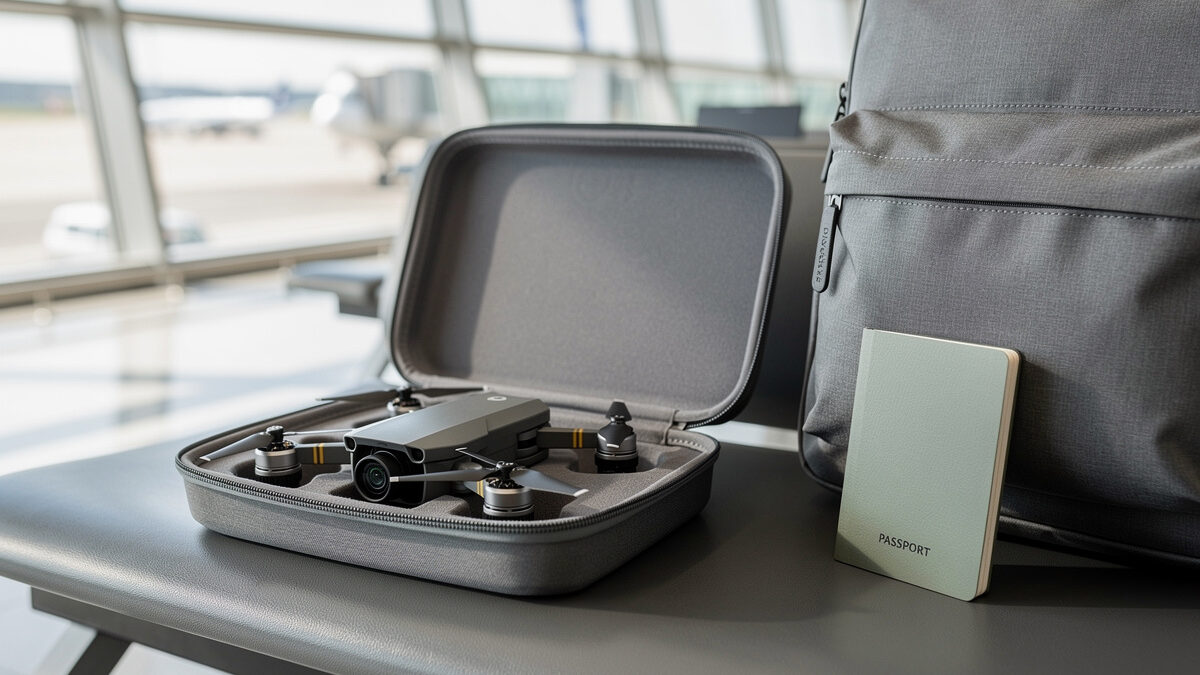
Travel is the use case the sub-250 class was born for, and it is where the weight class pays off most obviously. A drone that folds into a jacket pocket and slips into a daypack without a second thought is a drone that actually comes on the trip, instead of staying home because packing it felt like a project. I have taken my sub-250 places where bringing the heavier Air-class drone would have meant a dedicated bag and a much heavier compliance conversation at the destination. The little one just comes along.
But — and this is the part that catches people — travel layers its own rules on top of flying rules, and the pocketability is the easy part. Airline battery policy, destination-country registration that may differ from home, and locations where flying is simply forbidden regardless of weight are all homework you do before you pack, not after you land. This is the honest guide to traveling with a sub-250, covering both why the class is the best travel companion in the hobby and exactly what you need to sort out before you go.
The case for the sub-250 as a travel drone is overwhelming and it comes down to two things: size and rules. On size, the whole point of the weight class is that it folds down to something genuinely pocketable, so it adds almost nothing to your carry weight and takes up the space of a paperback. That is the difference between a drone that travels and a drone that gets left behind.
On rules, the sub-250 crosses most borders with the lightest version of whatever local regulations apply, because the 250-gram line is recognized as the lightest tier in many countries. It does not eliminate the rules abroad, but it generally gives you the gentlest set of them. Combine pocketability with the lightest regulatory footprint and you have the rare drone you can realistically take on a hike, a city break, or a multi-country trip without it dominating your luggage or your planning. It is mine for exactly this reason.
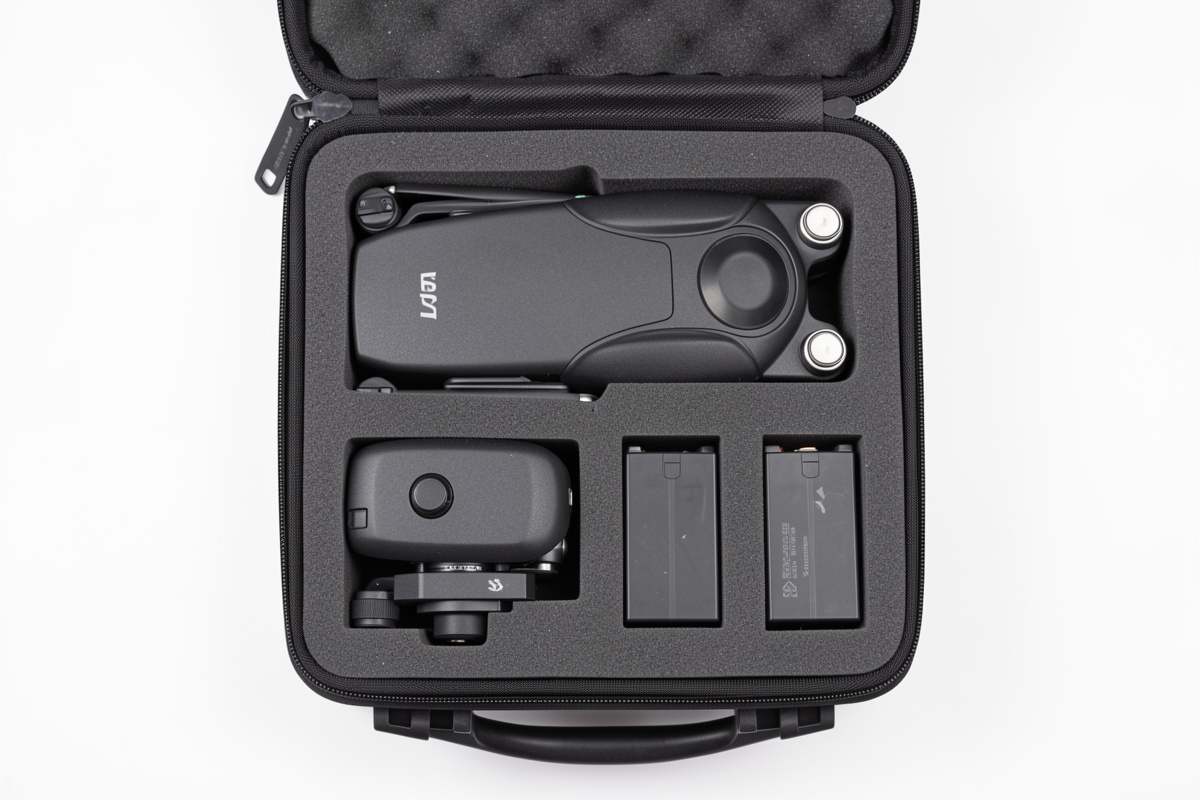
The single biggest travel consideration with any drone is the batteries, because lithium batteries are governed by airline and aviation rules that exist entirely separately from drone rules. The universal principle, which holds across essentially every airline I am aware of: lithium batteries travel in your carry-on, never in checked luggage, because of fire-risk rules in the hold. That applies to the battery in the drone and every spare.
Beyond that baseline, the details — how many spares, watt-hour limits, whether terminals must be taped or batteries individually bagged — vary by airline and are subject to their published dangerous-goods policy, which you must check for your specific carrier before you fly. Do not guess and do not assume the last airline’s rules carry over. Here is the simple framing I travel by:
| Item | Where it goes | What to check first |
|---|---|---|
| Drone (battery installed) | Carry-on | Airline’s lithium-battery policy |
| Spare batteries | Carry-on only — never checked | Quantity limits and protection rules per airline |
| Charger and cables | Carry-on (with the rest of your kit) | Nothing special, but keep with the batteries |
| The drone’s flying rules at destination | Sorted before you pack | Destination country’s aviation authority |
Treat that table as a starting checklist, not a substitute for your airline’s actual policy. The one rule that never bends is spares in the cabin; everything else is carrier-specific and worth ten minutes on their website before you pack.
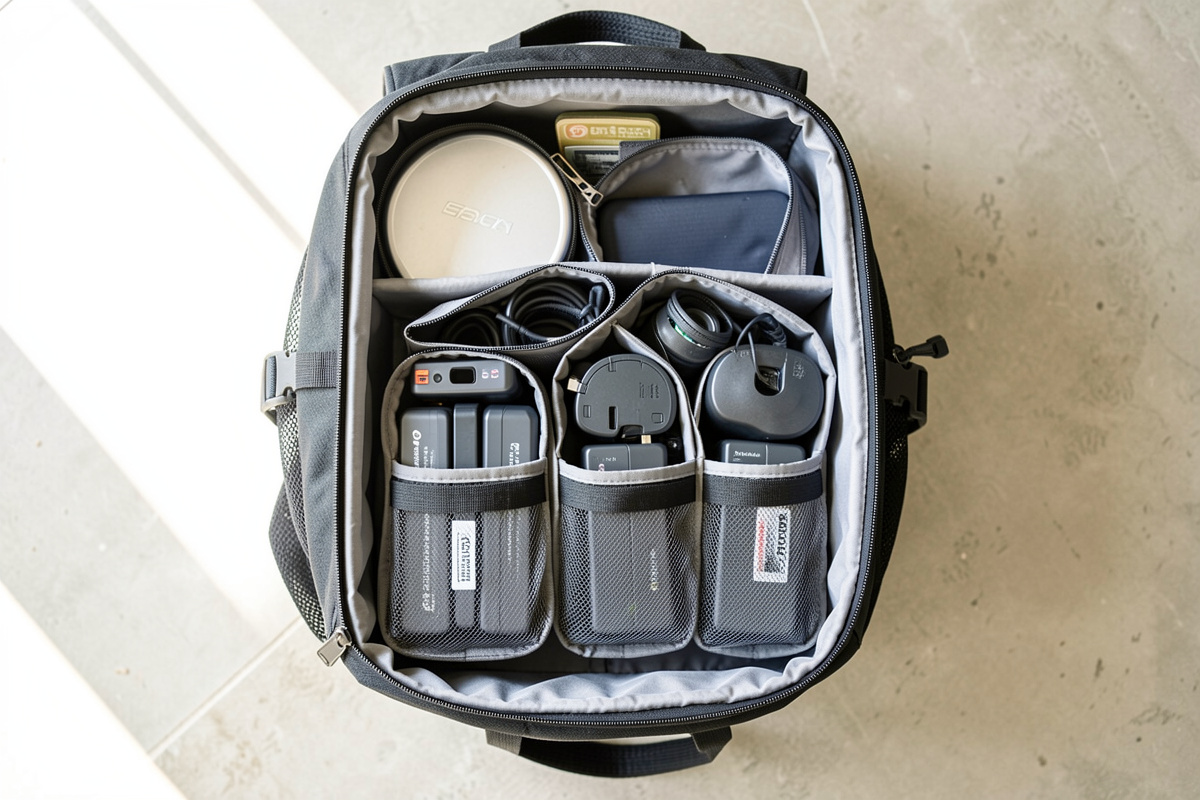
The actual airport experience with a sub-250 is almost always uneventful, and the goal is to keep it that way. A small folding drone in a fitted case reads to security as exactly what it is — a camera-style gadget — and the spare batteries in their bags are the only thing anyone might want a closer look at. I keep the drone and all batteries together in my carry-on, easy to pull out if asked, rather than buried at the bottom of a bag. Nothing about a sub-250 makes airport screening dramatic; the only way it gets complicated is if batteries are in checked luggage, which is exactly why that rule is the one you never break.
If you are connecting through multiple countries, remember that each leg’s airline policy applies to that leg, and the destination’s flying rules are separate again from anything the airline cares about. The airline governs how the drone and its batteries travel; the destination’s aviation authority governs whether and where you can fly once you land. Keeping those two questions separate in your head is the whole trick to traveling with a drone without surprises.
Two pieces of kit turn drone travel from fiddly to easy. The first is a proper compact drone travel case — the pocketability of a sub-250 is wasted if the drone gets crushed at the bottom of a daypack, and a fitted case keeps the drone, controller, and spares organized and protected in one grab-and-go unit that lives in your carry-on. The second is a set of LiPo battery safe bags, which keep your spares protected and contained in transit and make the carry-on situation tidier and safer.
On the batteries themselves, my travel discipline is the same care-and-habit approach I apply everywhere: I travel with packs at storage charge rather than fully charged when I am not flying that day, keep them in their bags, and never let a pack that has puffed anywhere near a trip — a swollen battery is a dead battery and absolutely not something to fly with, let alone carry on a plane. None of that is battery modification; it is simple, sensible handling, and it is exactly what keeps lithium travel uneventful.
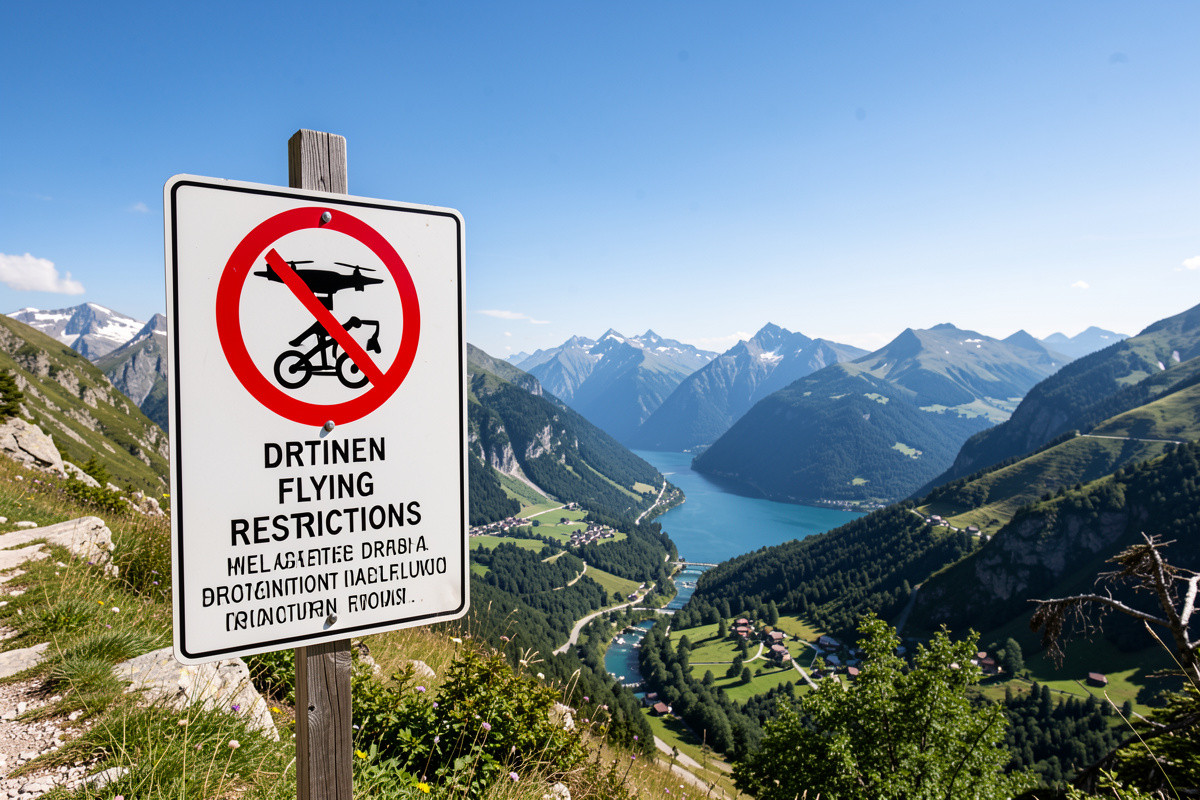
The hardest habit to build, and the most important, is checking the destination’s flying rules before you travel rather than assuming the sub-250 lets you fly anywhere. It does not. Many countries, cities, and specific sites flatly prohibit drone flying regardless of weight — near airports, over crowds, in national parks, around government and historic sites — and some require registration or permits even for visitors with a light drone. The weight class makes the drone easy to bring; it does not make the rules come with it.
My doctrine is simple and I will not water it down: identify the destination country’s national aviation authority, read their drone pages before you pack, and confirm both whether you can fly where you are going and whether you need to register as an operator there. The rules differ by country and change, so the destination’s own authority is the only source that binds you — exactly as your home authority is at home. Do that homework and the sub-250 is the most rewarding travel drone there is. Skip it and the pocketable drone becomes a pocketable way to get into trouble in an unfamiliar country.
The sub-250-gram drone is the single most consequential weight class in consumer flying, and most…
Ask most new pilots why the 250-gram line matters and you get some version of…
I came to drones from the lens bench, and that background changed how I evaluate…
Leave a Reply