Why Does 250 Grams Matter for Drones? The Logic Behind the Line
Ask most new pilots why the 250-gram line matters and you get some version of…
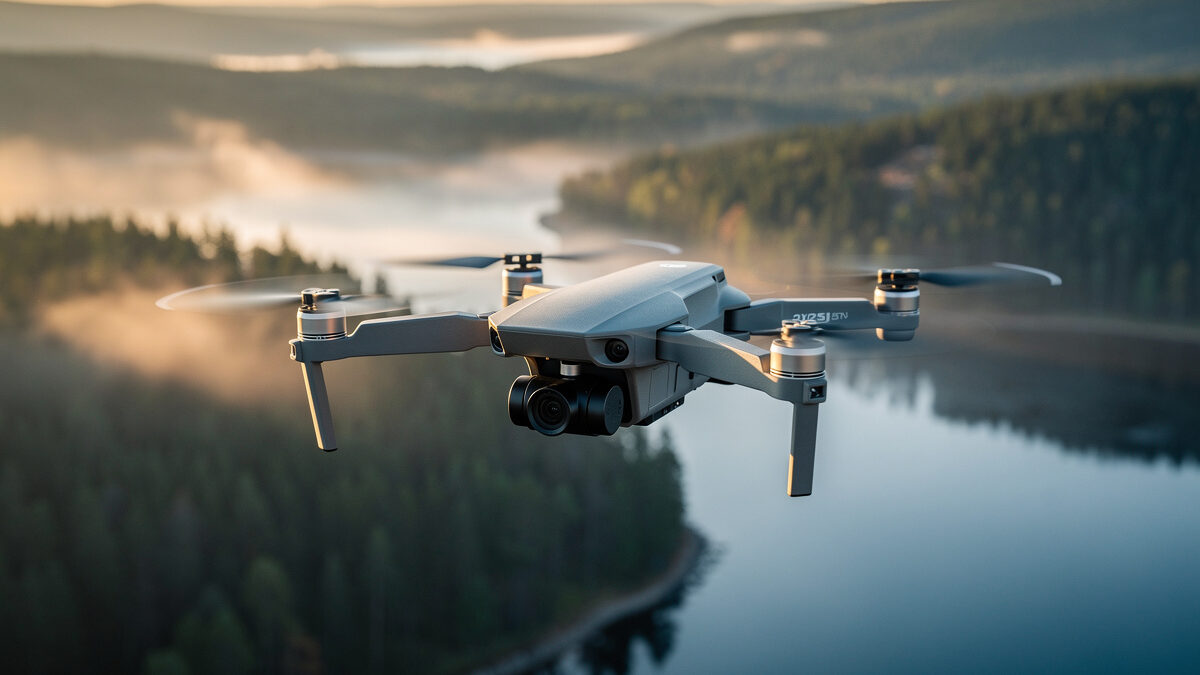
The DJI Mini class is the drone I recommend to more people than any other, and it is also the drone I am most honest about the limits of — because the two go together. A Mini-class sub-250 is the right first drone for most people precisely because you can know exactly what it cannot do and still happily live within those lines. The pilots who end up frustrated are the ones who bought it expecting it to be a smaller version of the heavier camera drones. It is not. It is a different tool with a different job, and this is the honest accounting of where its limits actually sit.
I fly a Mini-class drone as my daily, alongside a heavier Air-class bird with a larger sensor, specifically so I can feel the gap between them across real seasons of flying. Everything below comes from that side-by-side, not from a spec sheet. If you are deciding whether the Mini class is enough for you, this is the article I would want you to read first.
If the Mini class has one defining weakness, it is wind, and it is not close. A sub-250 airframe simply has far less mass to resist a gust than a heavier drone, so it starts working harder, sooner. On a calm day mine is rock solid. Add a real coastal breeze and I watch it crab visibly to hold position, drain battery fighting the air, and eventually flash a high-wind warning telling me it is near its limit. The heavier Air-class drone in the same conditions barely notices.
The trap is that the gimbal hides all of this. The footage stays smooth and level long after the airframe has started struggling, so a new pilot watching the screen has no idea how hard the drone is working or how little margin is left to fly home against the wind. My hard rule with the Mini class: the wind aloft is always stronger than the wind on the ground, and I plan the upwind leg first so I never spend my return battery fighting my way back. Respect the wind ceiling and the class is a joy. Ignore it and it is the single most likely way you lose the drone.
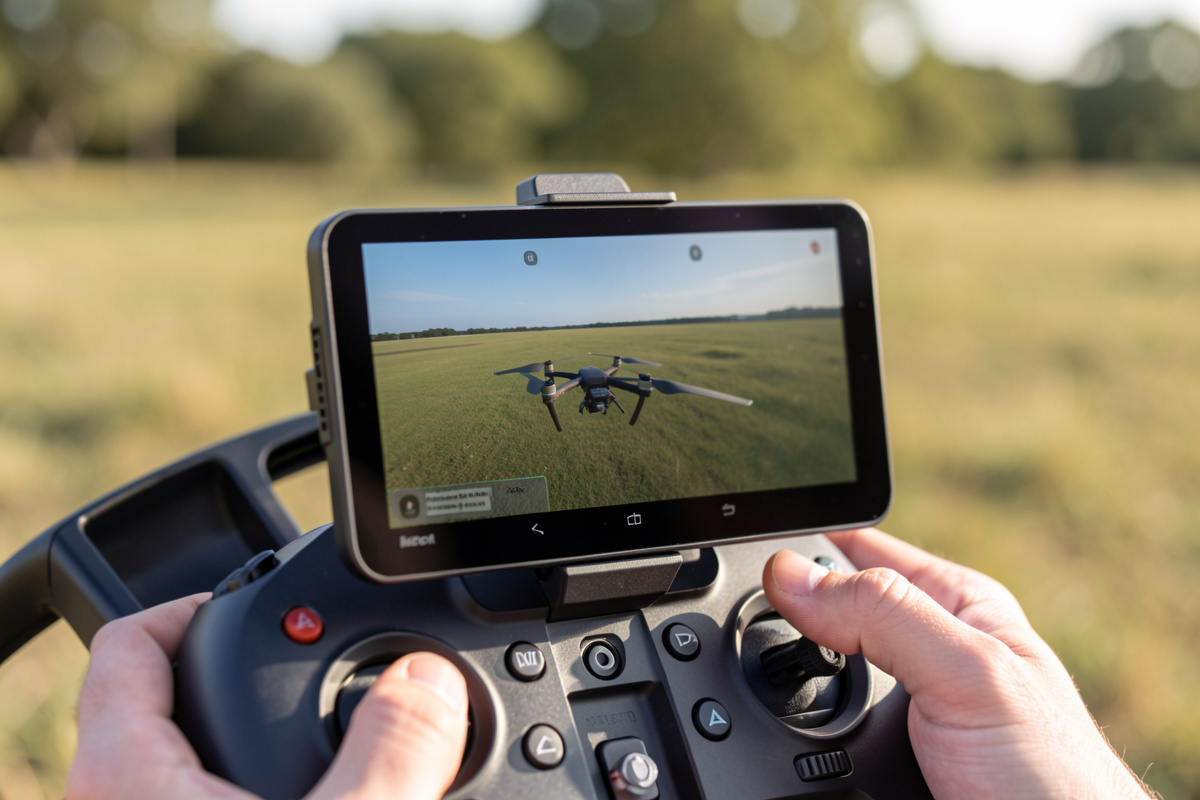
To stay under 250 grams, the Mini class carries a small camera sensor, and I evaluate it the way I evaluate any lens on my bench — by what it does at the edges, not in the easy middle. In even, generous light, a clear morning or a flat overcast, the Mini-class image is genuinely excellent and hard to distinguish from a much pricier drone. The limits arrive when the light gets difficult: high-contrast scenes where a bright sky sits over a dark forest, and the dim end of the day when the sensor has to push sensitivity and the noise creeps in.
A larger sensor on a heavier drone holds more dynamic range in those hard scenes and degrades more gracefully as the sun drops. That is the upgrade you are paying for when you move up a class. The honest framing for the Mini sensor is “good in good light,” and if most of your flying happens in decent conditions, that limit will never hold you back. If you live for the marginal golden hour and the moody coastal grey, you will feel it.
The advertised flight time on a Mini-class drone is real, but it is a ceiling measured in ideal conditions, flown closer to empty than I am ever comfortable doing, with no wind penalty. In the real world you lose minutes to wind, to cold, and to the healthy reserve any sane pilot lands with. I treat the box number as a best case I will never see and plan around a comfortably shorter usable window.
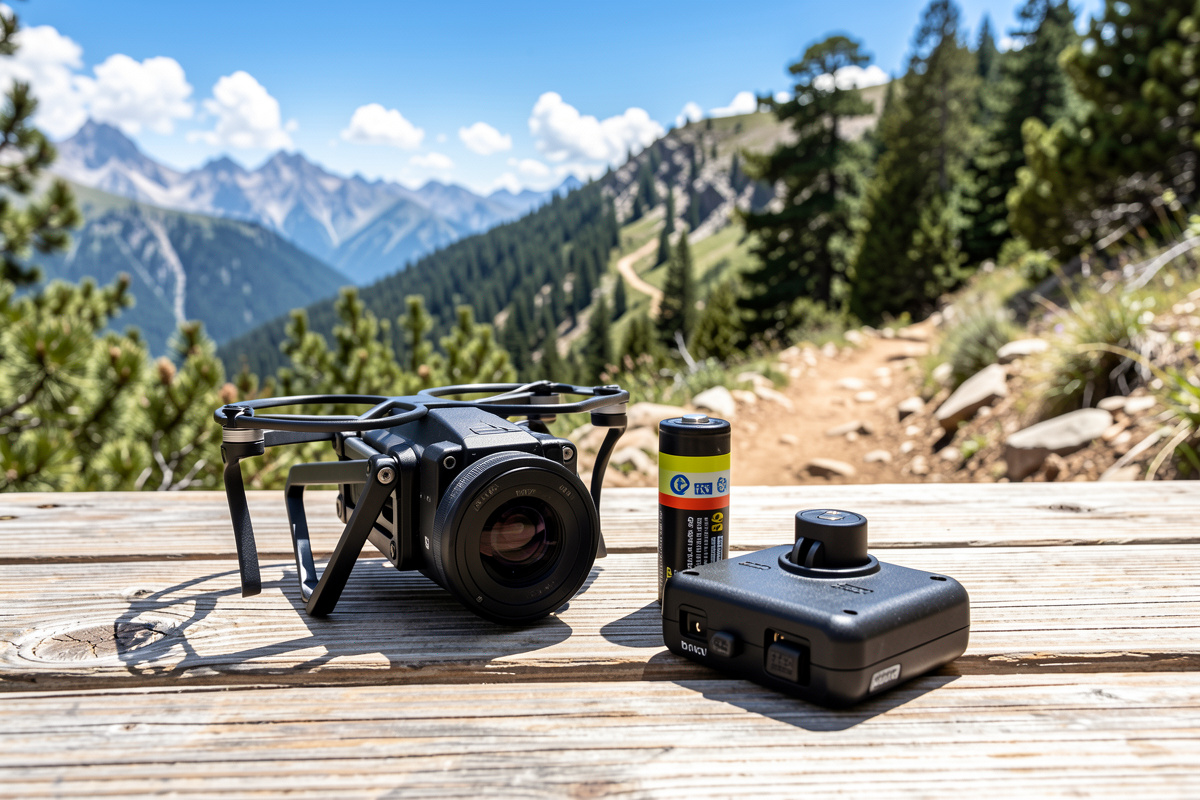
The saving grace is that spare batteries for the class are cheap and pocketable, which is the whole point. I never fly the last fifth of a pack on a Mini-class drone in any wind, because that is exactly the margin the trip home eats. If you want a genuinely useful session, plan to carry a spare or two — and if you do, the short individual flight times stop being a real limitation. On the battery itself, my doctrine is the same across everything I own: charge to storage level when a pack will sit, balance-charge it, carry it in a fireproof bag, and retire any pack that puffs. A swollen battery is a dead battery, no heroics. That is care and habit, never pack surgery.
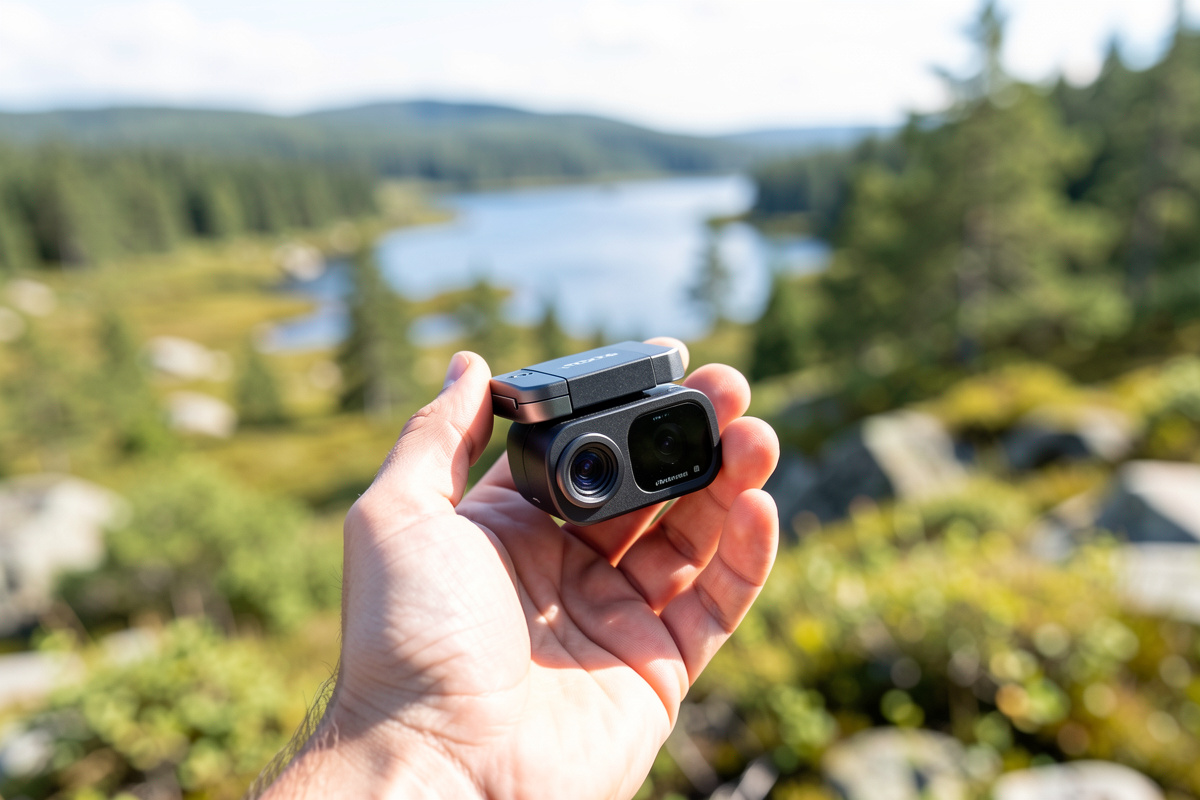
Listing the limits is only half the picture — the Mini class earns its place by being the best in the world at a specific set of jobs. It is the easiest drone to actually bring with you, folding into a jacket pocket and slipping into any daypack, which means it flies far more often than a drone you have to plan a bag around. It is the gentlest possible introduction to the rules, sitting in the lightest regulatory tier in most countries. And in good light it produces landscape footage that punches well above its weight and price.
If you want a current sub-250 camera drone, the sub-250 camera drone category is where the Mini class lives, and a compact drone carrying case is the one accessory I would not skip — the pocketability is wasted if the drone gets crushed in a bag. For the camera, a set of ND filters for drones does more for your footage than almost any other small upgrade, by letting you control shutter speed in bright light for natural motion blur.
For most people, genuinely yes. If your flying is mostly fair-weather, mostly travel and landscape, and you value a drone that comes with you over ultimate image quality in hard conditions, the Mini class is not a compromise — it is the correct choice, and very often the only drone you will ever need. I own the heavier class too and still reach for the little one most days.
It is the wrong choice only if your flying is genuinely defined by wind and marginal light, where the heavier class is not an upgrade but the right tool. Buy the Mini class knowing its three real limits — wind, the small sensor in hard light, and short individual flights — and you will get years out of a drone that fits in a pocket. Buy it expecting it to ignore those limits and you will be disappointed by physics, not by the drone. To get the most out of the batteries you are flying, the LiPo battery care guide covers the storage, charging, and handling habits that keep your packs healthy and safe across years of flying.
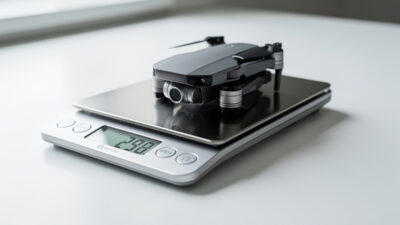
Ask most new pilots why the 250-gram line matters and you get some version of…
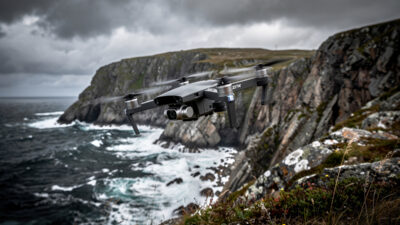
Wind is the thing the sub-250 class teaches you about first, because it loses the…
The sub-250-gram drone is the single most consequential weight class in consumer flying, and most…
Leave a Reply