Best FPV Camera for Freestyle: My Picks and the Why
The best FPV camera for freestyle is the one with the widest dynamic range and…
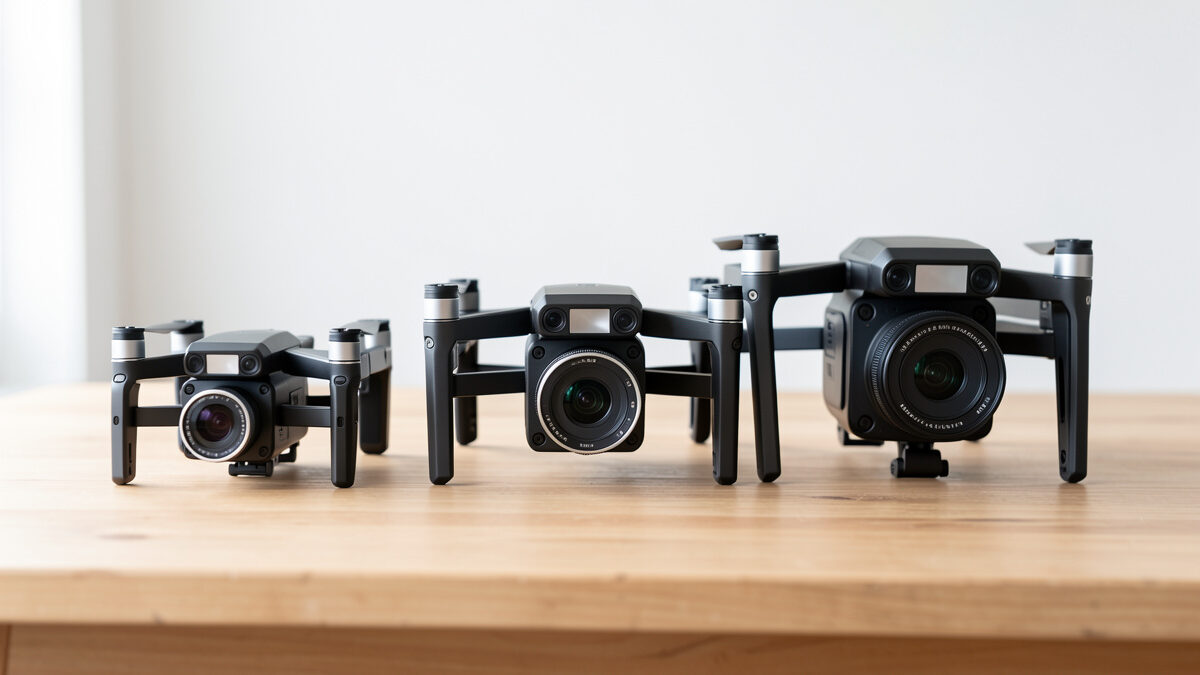
DJI drone camera quality climbs in real steps from the Mini class to the Air class to the Pro flagship class, but the gains are not linear and not where the marketing points. The biggest jump in actual footage quality comes from sensor size and recording bitrate, not from the headline resolution number — nearly every current class shoots 4K. Climb the range and you are mostly buying a larger sensor, a higher bitrate, and more grading latitude, in roughly that order of importance.
I judge a drone camera the way I judge any lens on my bench — not by the spec sheet but by what survives the hard frames. I fly a Mini-class sub-250 and an Air-class drone through four Swedish seasons, and the difference between them in real light is exactly the difference sensor and bitrate predict. This guide compares the DJI classes by the specs that decide footage. For the wider context of how these fit the whole camera landscape, see the drone camera guide.
Sensor size is the spec that separates the classes most honestly. The Mini class runs a small sensor in the 1/1.3-inch neighborhood — impressive for its size, but limited in low light and dynamic range. The Air class holds a similar-to-larger sensor with more processing headroom, and the Pro flagship class jumps to a much larger Four Thirds-type sensor that gathers dramatically more light. That sensor jump is where the night-and-dusk footage stops falling apart.
A larger sensor buys cleaner shadows, more highlight retention in a bright sky, and footage you can actually grade without it breaking. But it also means a heavier drone and a stricter rulebook — the Mini class stays under the 250g line that keeps the EU registration rules light, while the bigger sensors push you firmly into registration and tighter distance limits — the official EASA open-category rules spell out where those thresholds sit. The sensor size in small drones piece covers exactly what the tiny sensor can and cannot do.
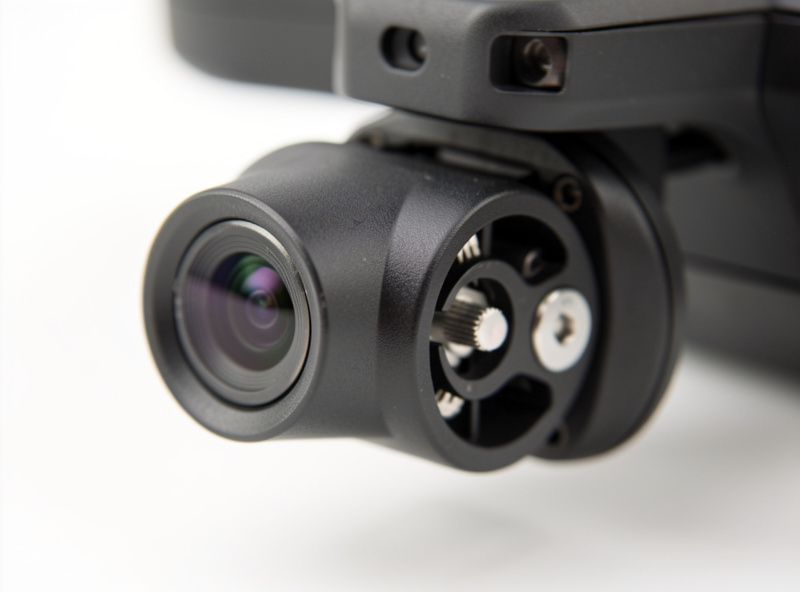
Bitrate is the most underrated number in drone camera quality, and it is where the classes quietly separate. Two drones can both record 4K, but the one writing at a higher bitrate preserves the fine detail — moving foliage, rippling water, fast motion — that the lower-bitrate one smears into mush. Climbing the DJI range, the flagship class records at roughly double the bitrate of the entry class, and that shows up most in exactly the busy, textured scenes drones love to film.
This is the spec I check before resolution when I judge footage. Pause on the hard frames — the treeline in wind, the broken water, the bright-to-dark edge — and the higher-bitrate footage holds together while the lower one falls apart. If you shoot landscapes with a lot of natural texture, bitrate matters more to your result than any other single number on the sheet.
| Class | Sensor (approx) | Weight Class | Bitrate | Best For |
|---|---|---|---|---|
| Mini class | ~1/1.3″ | Under 250g | Lower ceiling | Travel, casual, light rules |
| Air class | ~1/1.3″ to 1″ | ~250–900g | Mid ceiling | Serious hobby cinematography |
| Pro / flagship | Up to 4/3″ | 900g+ | Highest ceiling | Low light, pro grading work |
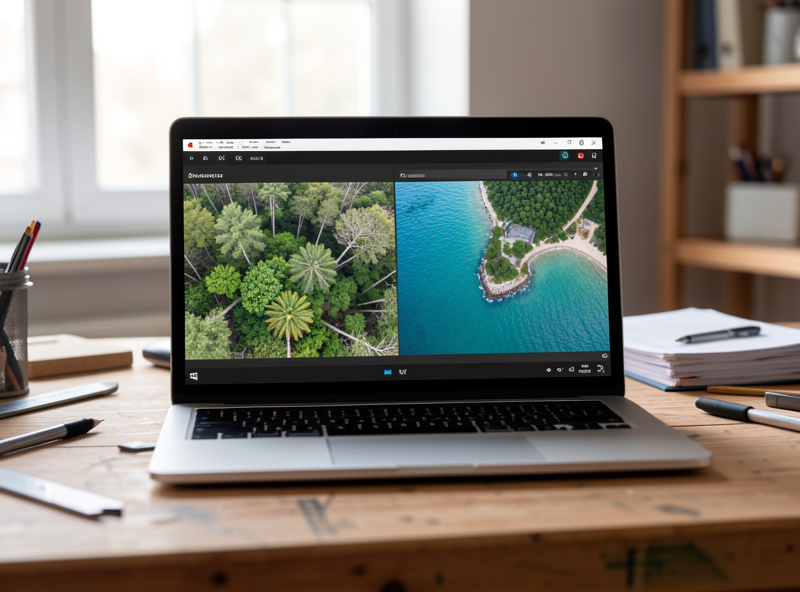
Dynamic range — how much detail the camera holds from the darkest shadow to the brightest highlight — widens noticeably with each class, and it is the most visible quality jump in real Nordic light. The low Scandinavian sun and bright overcast skies are exactly the conditions that punish a narrow-dynamic-range sensor, blowing out the sky or crushing the land. The flagship class, with its larger sensor and 10-bit color options, holds both and gives you room to grade. The Mini class, impressive as it is, hits its ceiling here first.
For most hobby pilots, though, the honest truth is that the Mini and Air classes already shoot footage good enough that your light, your timing, and your ND filters matter more than the class jump. I have made footage I am proud of on the sub-250. The flagship earns its money when you are grading hard or shooting in difficult light regularly, not when you are sharing clips that look great straight off the card.
Stills follow the same rule as video: sensor area beats pixel count. The Mini and Air classes advertise big megapixel numbers — often 48MP — but on a small sensor those pixels bin down to a cleaner 12MP file anyway, so the headline count is mostly marketing. Shoot RAW (DNG) instead of JPEG on any class and you keep the grading latitude the sensor actually has, which on the Mini class is the difference between a recoverable sky and a blown-out one.
The flagship class pulls ahead in stills for the same reason it does in video: the larger Four Thirds-type sensor holds more highlight and shadow per frame, so a single RAW grades further before it breaks. I shoot RAW on the sub-250 for landscapes and accept that I am working a smaller file harder; on the Air class the same edit has more room before noise creeps into the shadows. If stills matter to you, set the camera to RAW, ignore the megapixel race, and judge the files the way I judge any sensor on the bench — pull the shadows up two stops and see what noise appears.
One habit pays off on every class: bracket your exposures in high-contrast Nordic light. Three frames one stop apart give you a clean sky and clean land to blend later, and it costs nothing but a second of hover. The sensor sets the ceiling, but disciplined capture is what decides whether the still survives the edit — the same lesson the footage taught me, applied to the single frame. I learned that the hard way after losing a whole golden-hour set to clipped highlights I assumed the Air class would just hold.
If you travel, fly casually, or want the lightest rulebook, the Mini class is the smart buy — staying sub-250 is worth more to most pilots than the sensor upgrade, and the footage is genuinely good. If you are serious about hobby cinematography and accept registration, the Air class is the sweet spot, adding real sensor and bitrate without flagship weight or price. If you grade hard, shoot in tough light, or do paid-adjacent work, the Pro flagship class is where the sensor finally stops being the limit. A good place to start narrowing is a browse across the current camera drone classes.
As an Amazon Associate I earn from qualifying purchases.
My own kit answers the question honestly: I keep the Mini class for the rules and the travel weight, and the Air class for when the image genuinely needs the bigger sensor. I judged that I did not need the flagship for what I shoot. Pick by your light and your grading, not by the top of the range — and remember which upgrades show up in the footage and which just show up on the invoice. The DJI Mini-class limits piece is the honest counterweight to the upgrade itch.
Sensor size and recording bitrate, not resolution. Most classes shoot 4K, so the real quality steps come from a larger sensor gathering more light and a higher bitrate preserving fine detail in foliage, water, and motion. Climb the range and you are mainly buying those two things.
For travel, casual flying, and sharing clips, yes. The Mini class shoots genuinely good footage and stays under the 250 gram line for light regulations. Its ceiling shows in low light and hard grading, where a bigger sensor pulls ahead.
The sensor and bitrate step, especially reaching the Pro flagship class with its much larger Four Thirds-type sensor. That is where low-light footage stops falling apart and dynamic range widens enough to grade hard scenes comfortably.
Two drones can both shoot 4K, but the higher-bitrate one preserves detail in busy, textured scenes like wind-blown trees and broken water, while the lower-bitrate one smears them. It is the most underrated spec in drone camera quality.
Yes. A larger sensor needs a heavier camera and gimbal, pushing the drone over the 250 gram threshold into registration and tighter distance limits in the EU open category. The Mini class stays under that line; the bigger classes do not.
Usually only if you grade hard or shoot difficult light regularly. For most hobby pilots the Mini and Air classes already shoot footage where light, timing, and ND filters matter more than the class jump. Buy the flagship for the work, not the bragging rights.
The best FPV camera for freestyle is the one with the widest dynamic range and…
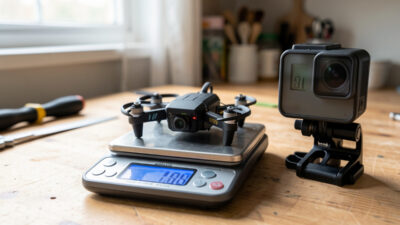
Camera weight and FPV drone performance are tied together by simple physics: every gram of…
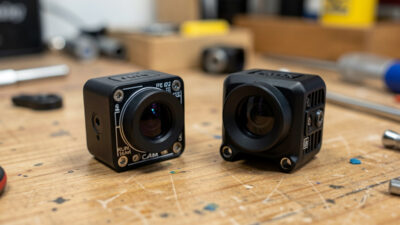
RunCam vs Caddx is the FPV camera question I get asked most, and the honest…
Leave a Reply