Sensor Size in Small Drones: What the Tiny Camera Can and Cannot Do
I came to drones from the lens bench, and that background changed how I evaluate…
Ask most new pilots why the 250-gram line matters and you get some version of “so you do not need a license.” That answer is wrong often enough to be dangerous, and it misunderstands the entire reason the number exists. The 250-gram threshold is not a loophole regulators left open by accident. It is a deliberate, physics-grounded line drawn at the point where a falling drone stops being likely to seriously hurt someone. Understanding why that number was chosen is the difference between flying the weight class intelligently and flying it on a misconception.
I fly a sub-250 as my daily drone, alongside a heavier camera bird, and the more seasons I put on both, the more I respect the logic behind the line. This is the article I point people to when they tell me “it’s under 250, so the rules don’t apply.” Because they do — just a gentler version of them — and knowing why tells you exactly how far that gentleness extends.
The 250-gram figure is fundamentally about kinetic energy and injury risk. A drone that loses power or signal and falls carries energy proportional to its mass and the square of its impact speed. Lighter mass means less energy delivered on impact, which means a meaningfully lower chance of causing a serious head injury to a person below. Regulators across several major jurisdictions independently landed near the same quarter-kilogram mark as the line below which that risk drops into a category they are willing to regulate lightly.
That is the whole story in one sentence: below roughly 250 grams, a drone falling on someone is far less likely to cause serious harm, so the rulebook eases off. It is not that a sub-250 drone is harmless — it absolutely can injure, can damage property, and can violate airspace like any aircraft. It is that the worst realistic outcome is statistically less severe, and regulation is a game of managing worst realistic outcomes.
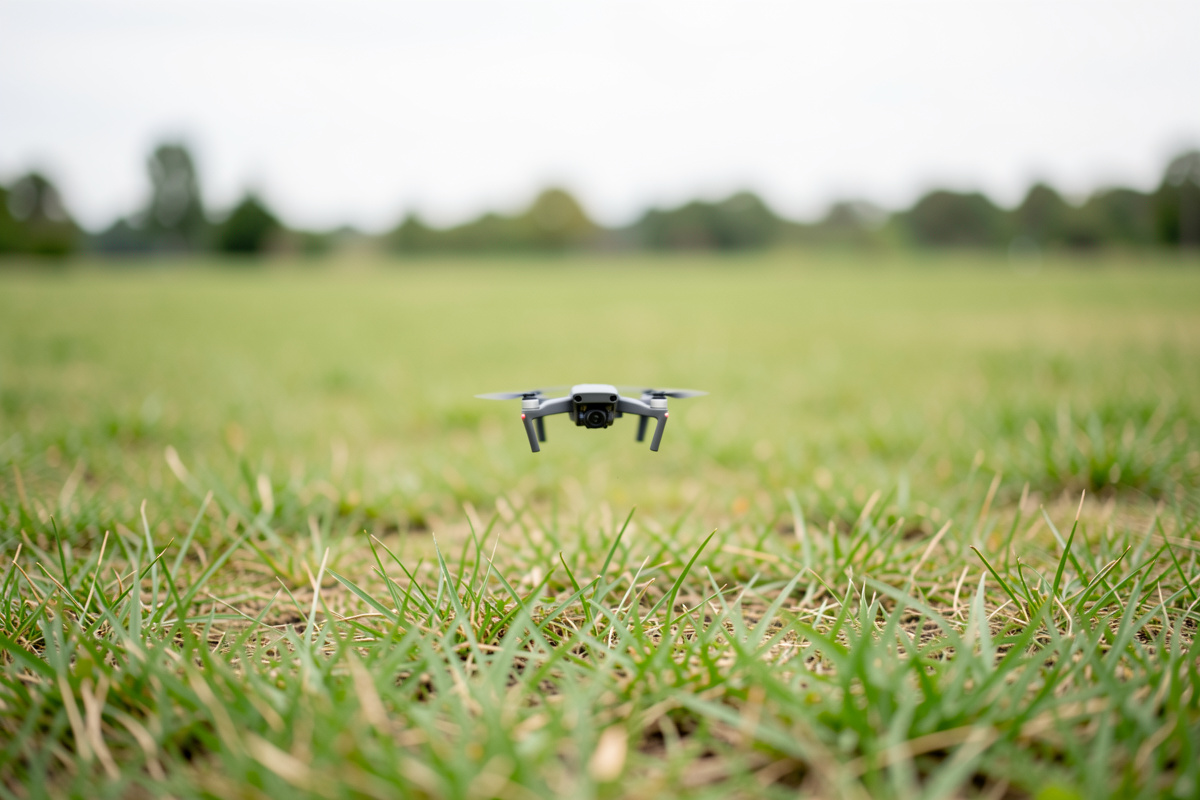
In practice, sitting below the line generally places a drone in the lightest regulatory tier available in a given country. In the EU framework I fly under, the sub-250 class lands in the gentlest sub-category of the open category, which is why it dominates the consumer market. That typically means more relaxed proximity allowances and a lower barrier to simply going flying than the heavier classes face.
But — and this is the part the “no rules” crowd skips — the weight class lowers some obligations without erasing them. The clearest example: in the EU, a sub-250 drone with a camera still triggers operator registration, because anything carrying a sensor that can capture personal data brings registration into play regardless of weight. The 250-gram line buys you a lighter flying rulebook. It does not buy you exemption from registering, from line-of-sight rules, from staying clear of airports and people, or from any of the responsibilities that come with putting a propeller-driven aircraft in shared airspace.
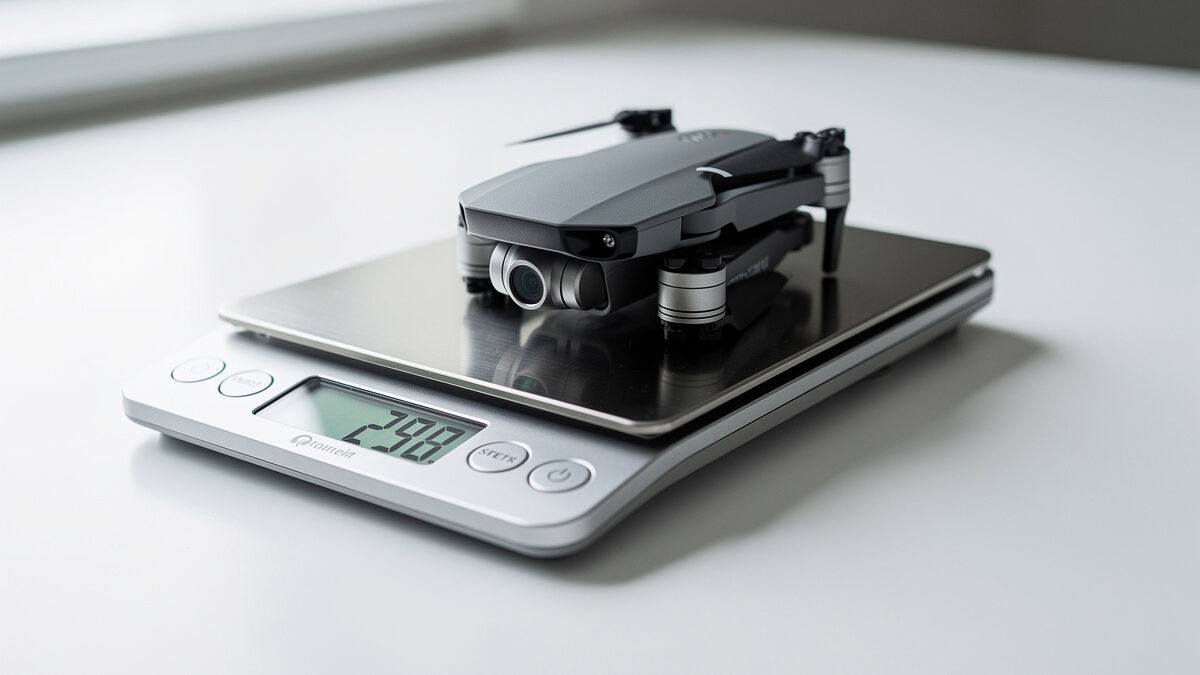
Here is the trap that catches careful people. The 250-gram limit is measured at total takeoff weight — the drone, its battery, and everything attached to it, ready to fly. The number on the box is usually the drone with its standard battery and nothing else. Start adding things and the math moves against you fast.
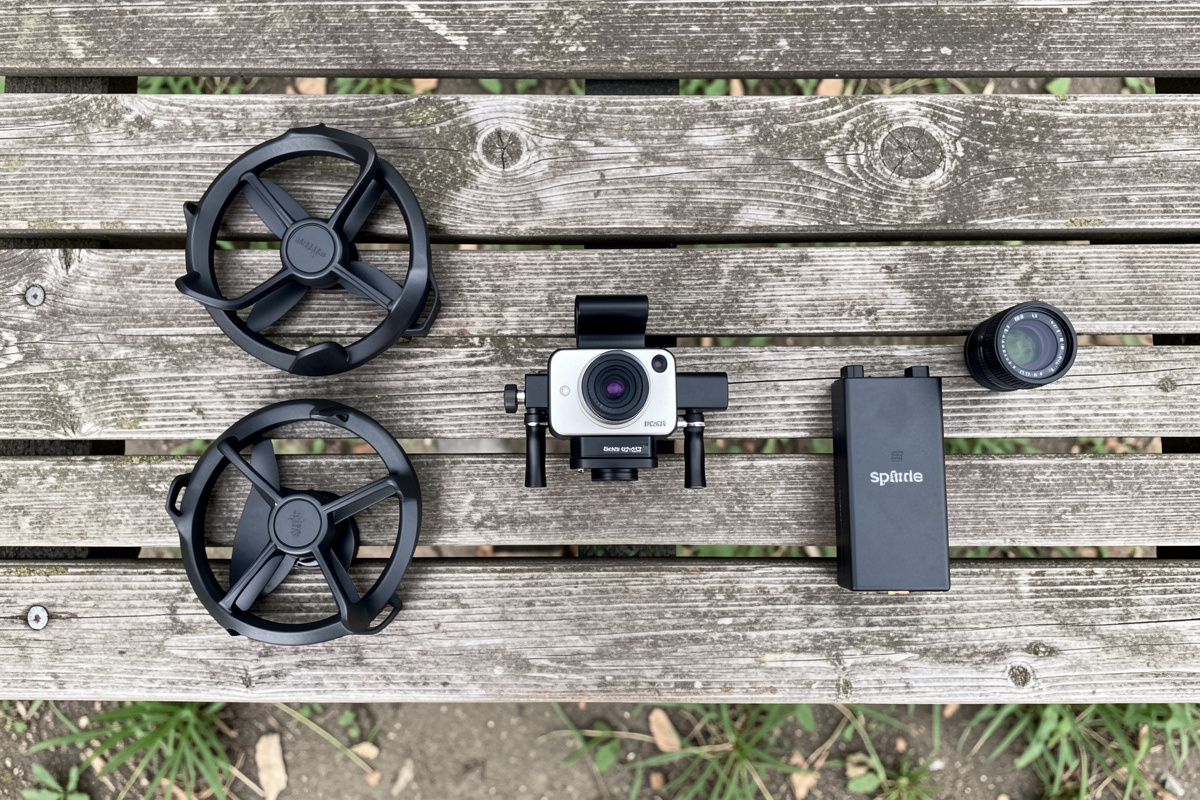
Bolt on a propeller guard for indoor flying. Swap in a heavier high-capacity aftermarket battery for more flight time. Add any payload. Each of those eats into a margin that was never generous to begin with, because manufacturers engineer these drones to sit just barely under the line. Push past 250 grams and the drone you thought lived in the gentle tier is now legally in the next one up, with the stricter rules that tier carries — and you may have no idea it happened. I re-weigh mine on a kitchen scale any time I change its configuration, and I recommend the same habit to anyone who flies the class. It takes ten seconds and it keeps you honest with the line.
One more thing that trips people up: the 250-gram line is not a single global rule, even though the number itself shows up almost everywhere. Multiple major regulators have independently adopted roughly the same quarter-kilogram threshold for their lightest tier — which is genuinely useful, because it means a sub-250 drone tends to be the easiest class to travel with. But each authority attaches its own conditions to that tier. The number is shared; the rulebook around it is not.
What this means in practice is that “my drone is under 250 grams so I am fine” is a sentence that is only ever true relative to one specific country’s rules. Cross a border and the same drone meets a new set of conditions on the same weight class. That is exactly why I refuse to recite anyone’s specific thresholds as if they were universal, and why the only safe habit is to read the regulator that governs the place you are actually flying. The weight gets you into the gentle tier almost everywhere. What the gentle tier requires of you is a local question with a local answer.
It is worth being blunt about the misconceptions, because every one of them gets pilots into trouble. The 250-gram line does not make the drone safe — it makes it less dangerous, which is not the same thing. It does not exempt you from privacy obligations — the camera is the camera no matter how light the aircraft. It does not mean the same rules everywhere — different regulators draw their lightest tier at the same number but attach different conditions to it. And it absolutely does not mean you can fly anywhere; no-fly zones, airport approaches, and restricted airspace apply to a 100-gram toy exactly as they apply to a commercial aircraft.
The honest framing I have settled on after years of flying: the 250-gram line is the floor of your responsibilities, not the ceiling of your freedoms. It lowers the paperwork and softens the proximity rules. Everything else about flying a real aircraft in shared airspace still applies, and pretending otherwise is how the weight class earns drones a bad reputation.
Once you understand the line, the design choices in every sub-250 drone on the market suddenly make sense. That improbably small battery? It is small because a bigger one would push the drone over 250 grams. The slightly flimsy-feeling airframe compared to the heavier classes? Same reason — every gram of structure is a gram stolen from somewhere else. The small camera sensor? It is small partly because a larger one and its housing weigh more. The 250-gram line is not a footnote in the engineering; it is the single hardest constraint the entire drone is designed around.
This is worth knowing as a buyer, because it explains the class’s compromises honestly. Sub-250 drones are not “lesser” drones that the manufacturer was too cheap to build properly. They are drones optimized within a brutal weight budget to land on the right side of a regulatory line that genuinely matters. When you feel the shorter flight times or see the small-sensor limits in hard light, you are feeling the cost of staying under 250 grams — which is also the cost of the gentle rulebook you wanted. The tradeoff is the product.
It also explains why some manufacturers quote weights that feel suspiciously precise, like 249 grams. That is not coincidence; it is the entire point. They are engineering to the millimeter of the line because being one gram over moves their drone into a stricter, harder-to-sell regulatory tier in many markets. The number is that important to the business, which tells you how important it should be to you as a pilot too.
Treat the 250-gram drone as a real aircraft that happens to be light, and the whole class makes sense. Register as an operator wherever your country requires it — for a camera drone in the EU, that means you, regardless of the weight. Label the drone with your operator ID. Fly within visual line of sight, stay clear of people and airspace you should not be in, and read your own national aviation regulator’s drone pages before your first flight, because they are the only source that genuinely governs you. If you are in the United States, the FAA owns those rules; I am an EU pilot and point you there rather than pretend to lived experience I do not have.
Do that, and the 250-gram line delivers exactly what it was designed to deliver: a lighter, more proportionate set of obligations for a drone whose worst-case outcome is genuinely less severe. The number is not a magic trick. It is good policy, grounded in physics, and it rewards the pilot who understands it rather than the one who hopes it makes the rules disappear.
I came to drones from the lens bench, and that background changed how I evaluate…

The most expensive misconception in the entire sub-250 class is the belief that being under…
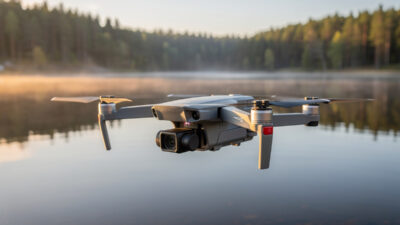
The sub-250-gram drone is the single most consequential weight class in consumer flying, and most…
Leave a Reply