Traveling With a Drone: How to Take Your Sub-250 Anywhere
Travel is the use case the sub-250 class was born for, and it is where…
I came to drones from the lens bench, and that background changed how I evaluate every flying camera I pick up. The single most useful instinct I brought with me is this: sensor size, not megapixel count, is the quiet variable that decides how a drone’s image holds up when the light gets difficult. In the sub-250 class, where the whole drone is designed around a brutal weight budget, the sensor is one of the first things that gets squeezed — and understanding what that costs you is the difference between buying the class with open eyes and being quietly disappointed by physics.
This is the article for the buyer who keeps reading “small sensor” in reviews and does not quite know what it means for their footage. I judge a drone camera the way I judge any lens on my bench, and I am going to walk you through exactly what a small sensor gives, what it takes, and when it actually matters for the kind of flying you do.
The number on the box is almost always the megapixel count, and it is almost always the least important spec. Megapixels tell you how many dots the image is divided into; sensor size tells you how much light each of those dots can gather. A larger sensor has physically larger light-collecting sites, which means it captures more light in the same instant. More light is the foundation of everything that makes an image look good in hard conditions: cleaner shadows, less noise, more room before highlights blow out.
Cram a high megapixel count onto a tiny sensor and you have many small, light-starved sites — a big number that does not translate into a better image when the scene gets challenging. This is exactly the trap small cameras of every kind fall into, and drones are no exception. When I evaluate a sub-250’s camera, the megapixel headline is the last thing I look at. The sensor size is the first, because it sets the ceiling on what the camera can do in the conditions where the difference actually shows.
Let me be fair to the small sensor, because the class is genuinely good and the limits are specific rather than general. In even, generous light — a clear morning, a flat overcast, golden hour with the sun behind you — a sub-250’s small sensor produces images that are honestly hard to distinguish from a much larger and pricier drone. There is plenty of light for every site to do its job, dynamic range is not being stress-tested, and the footage looks clean and detailed.
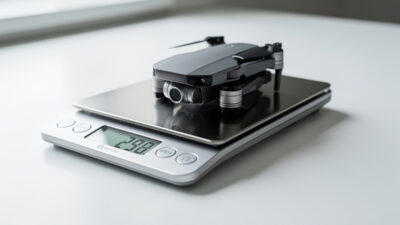
The small sensor also makes the whole class possible. A larger sensor and its supporting housing weigh more, and weight is the one thing a sub-250 cannot spend. The small sensor is part of the bargain that keeps the drone under 250 grams and in the gentle regulatory tier. So it is not a failure of the camera; it is the deliberate cost of the weight class, and in good light you pay almost nothing for it.

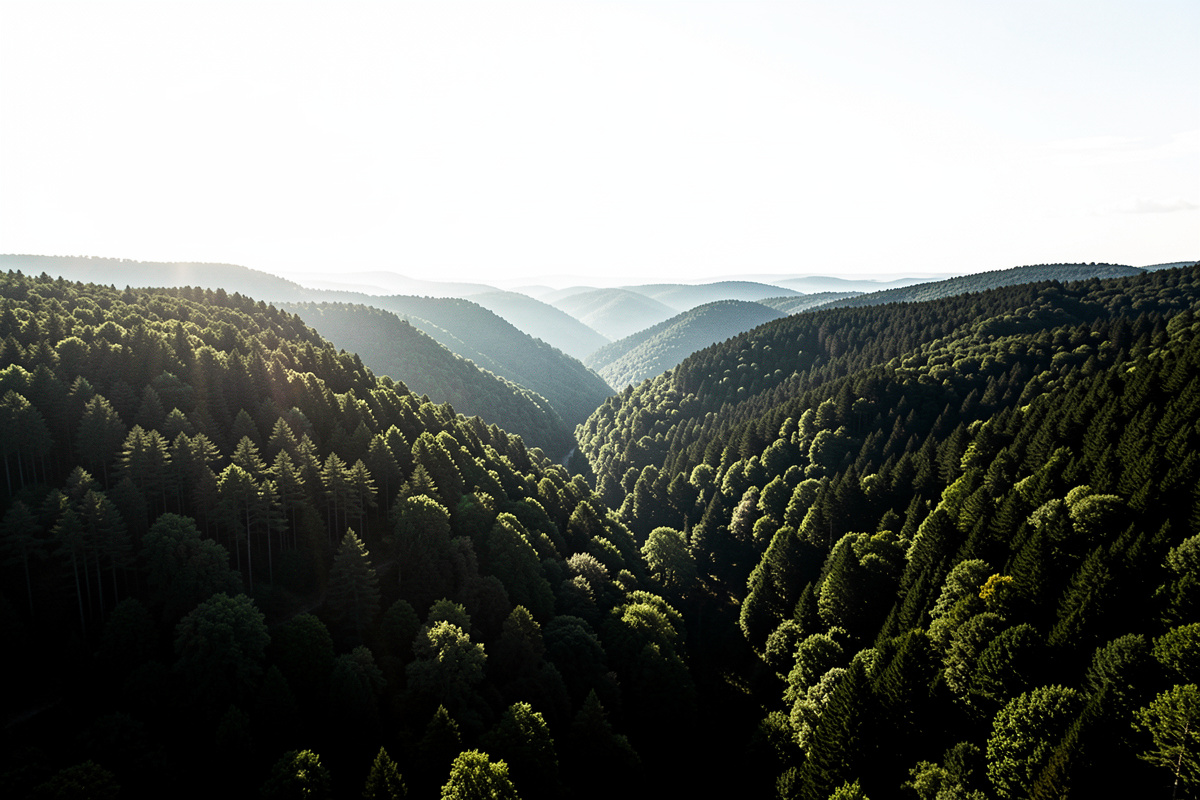
The limits arrive precisely when the light gets hard, and they arrive in three predictable ways. First, dynamic range: in a high-contrast scene, a bright sky over a shadowed forest, the small sensor cannot hold both the highlights and the shadows. You either blow out the sky or crush the shadows into black, where a larger sensor would hold both. Second, low light: as the sun drops and the sensor has to push sensitivity, noise creeps in faster and the image gets grainy sooner. Third, the slide from clean to mushy happens earlier — the small sensor degrades less gracefully as conditions worsen.
None of this shows up in a sunny demo reel, which is why so many buyers are surprised. The way I test any drone camera is to deliberately fly it at the edges — the dim end of the day, the high-contrast scene — because anyone’s footage looks fine in the easy middle. A camera earns my respect by what it does when the light stops cooperating, and the small sensor is honest about being a fair-weather performer.
You cannot change the physics, but you can fly to the sensor’s strengths, and a couple of habits make a real difference. The biggest is filming in good light — shoot in the generous, even light where the small sensor shines, and treat the hard-light hours as a known weakness rather than a fight you will win. Expose for the highlights so you do not blow out a bright sky, because recovering a crushed shadow is far easier than recovering a blown highlight on a small sensor.
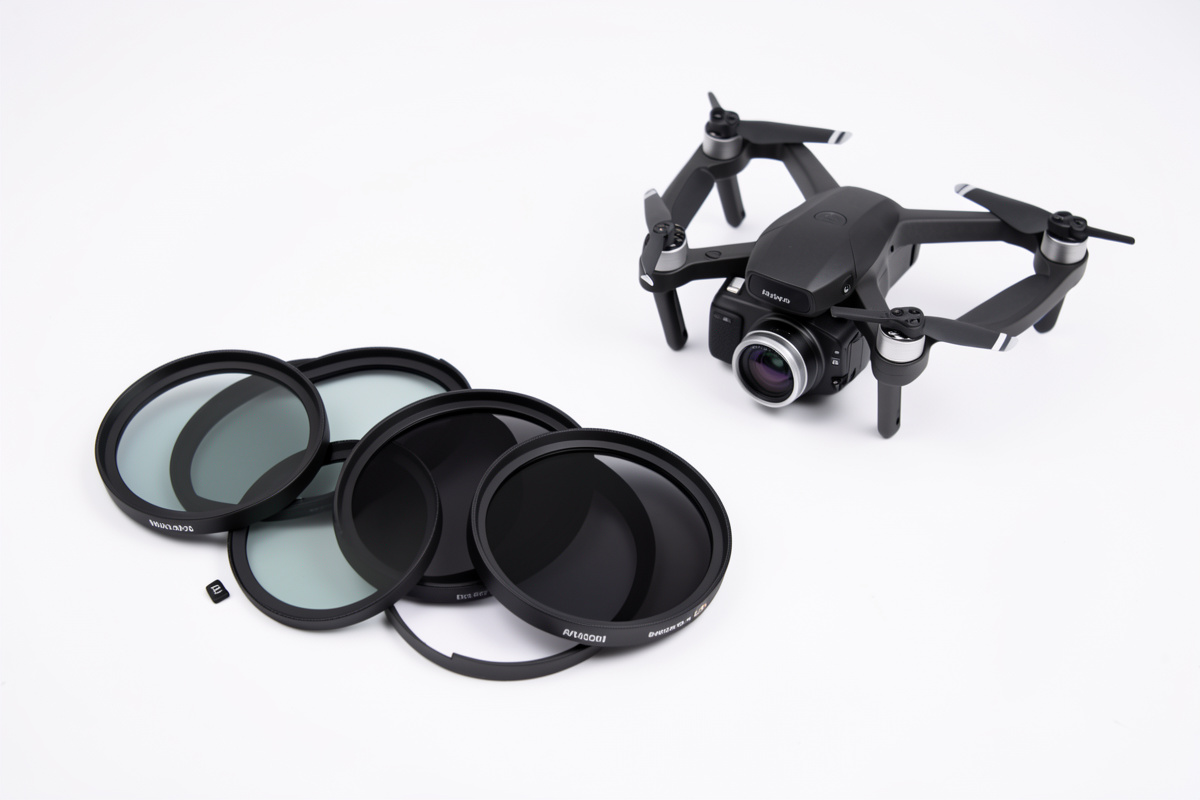
The one accessory that genuinely improves small-sensor drone footage is a set of ND filters for drones. They cut the light reaching the sensor so you can use a slower shutter speed in bright conditions, which gives video its natural motion blur instead of the stuttery, over-sharp look you get when the shutter is forced too fast. It is the cheapest upgrade that visibly improves footage, and it works with the small sensor rather than against it. Beyond that, keeping the lens genuinely clean with a proper lens cleaning kit matters more on a small sensor, where every bit of light counts and a smudge degrades the image faster than you would expect.
For most people, no. If your flying happens mostly in decent light — and most flying does — the small sensor will never hold you back, and you get the lighter rules and the pocketability that make the class worth owning. I fly a sub-250 as my daily precisely because the sensor is good enough for the conditions I shoot in most of the time, and the drone actually comes with me.
The honest exception is the pilot whose work lives in the hard light: the moody coastal grey, the deep golden hour, the high-contrast landscape. For that pilot a larger sensor on a heavier drone is not a luxury but the right tool, and it comes with the heavier rulebook as the price of admission. Know which pilot you are. The small sensor is not a flaw to apologize for — it is a deliberate, well-understood tradeoff, and judged like a lens, it is exactly as good as the light you give it. If you’re taking that sub-250 further afield, the guide to traveling with a drone covers what to prep for transport and what rules apply at your destination.
Travel is the use case the sub-250 class was born for, and it is where…

The most expensive misconception in the entire sub-250 class is the belief that being under…
Ask most new pilots why the 250-gram line matters and you get some version of…
Leave a Reply