GPS Rescue and Failsafe for Long-Range FPV
GPS Rescue is the Betaflight feature that, on a lost control link, makes your quad…
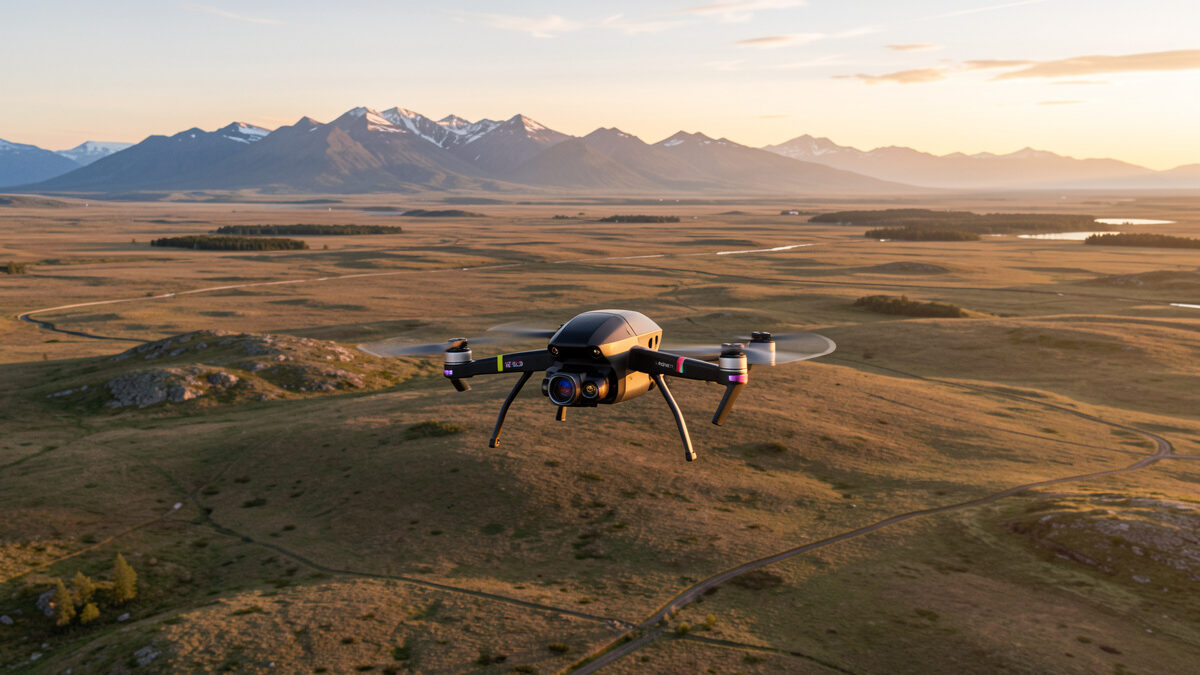
A long-range FPV build is a 7-inch quad optimised for efficiency and link margin rather than punch: an efficient frame and prop, low-KV motors, a 900MHz ExpressLRS receiver, a GPS module for rescue, and a battery chosen for watt-hours over amps. Built right, it sips current — a good 7-inch can fly two to three times longer per pack than a freestyle 5-inch — and that endurance is what range really costs.
I build my own quads on my bench, and the long-range machine is the one where every gram and every milliamp earns its keep. This is the parts list I actually buy and the order I solder them in, written for someone who has already built or flown a standard 5-inch. If you have not, start with my 5-inch build guide first — this build assumes you know which end of the iron is hot. For the system-level overview, the long-range FPV guide is the parent map.
As an Amazon Associate I earn from qualifying purchases.
The airframe sets your efficiency ceiling, and for long range that means a 7-inch frame in the 280–320mm class with arms thick enough to survive a far-from-home crash. Long-range frames trade the razor agility of freestyle for a longer wheelbase that flies smooth and holds a clean video signal. I want a frame with a roomy stack area for a GPS module and a VTX, and a top plate that takes a proper antenna mount without fouling the props.
Stiffness matters more at distance because prop wash and frame flex show up as jello in the recorded footage you flew all that way to capture. A 5mm arm is the floor; I would rather carry a few extra grams of carbon than walk a kilometre to collect a snapped arm. You can browse 7-inch long-range frames to see the current crop.
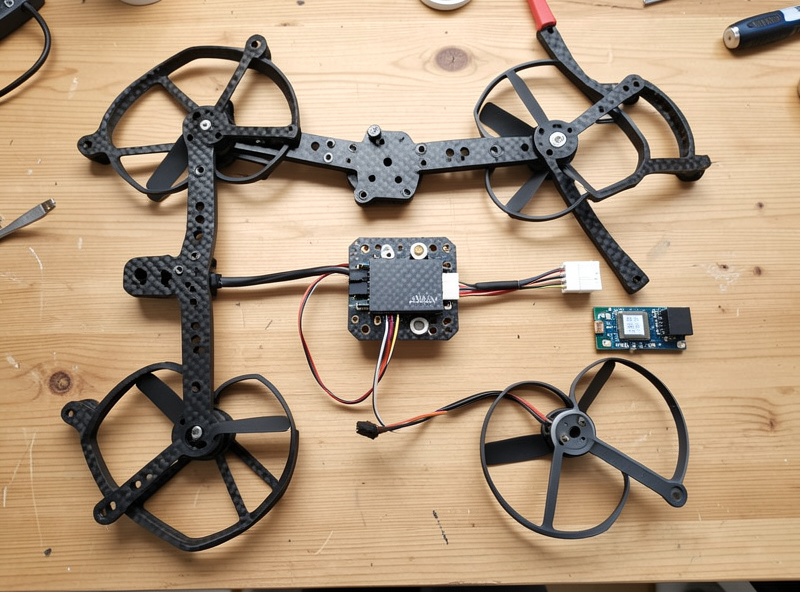
Long-range motors run lower KV than freestyle motors because you are turning a bigger prop at a calmer RPM for efficiency, not slamming throttle for tricks. On a 6S long-range 7-inch I look at motors in roughly the 1500–1800KV range paired with a 7-inch prop; the exact pairing depends on your target all-up weight. The goal is a quad that hovers at a low throttle percentage, because hover current is what drains the pack.
Props are where you tune the final efficiency. A long-range pilot will often run a lighter, lower-pitch 7-inch prop than a freestyle flyer would — it pulls less current to hold altitude. Carry spares; props are the cheapest thing on the quad and the first thing to die in a hard landing. I keep a stash of 7-inch FPV props in the field bag.
The flight controller needs a free UART for the GPS module and a barometer is welcome for altitude hold during a rescue. I choose an FC with a clean layout and enough pads that I am not stacking three wires on one solder joint — the deeper logic of stack selection is in my FC/ESC stack guide. The ESC just needs to comfortably handle the current of your motor-prop combo with headroom; long-range does not stress an ESC the way freestyle does.
The GPS module is the non-negotiable long-range part. It feeds Betaflight GPS Rescue, which is the safety net that turns a lost link into a controlled return instead of a search party. Mount it away from noisy power wires and high on the frame for a clean sky view. I cover the full configuration in GPS rescue and failsafe, and you can find FPV GPS modules easily — a modern M10-class unit locks fast.
This is the heart of a long-range build. A 900MHz ExpressLRS receiver gives you a control link with kilometres of margin and a telemetry downlink so you can watch link quality live. The receiver is cheap; the antenna and its placement are what actually buy range. Mount the receiver antenna clear of carbon and the video transmitter, and give it a straight run with the tip exposed.
I run my output inside legal EIRP limits and let a good antenna do the work — chasing range by cranking power past what is allowed is both illegal and a great way to cook a receiver; the official ExpressLRS project documentation covers the firmware and power settings I run. The full module, packet-rate, and antenna discussion is in ExpressLRS for long-range FPV. Receivers are inexpensive: 900MHz ExpressLRS receivers are the standard choice.
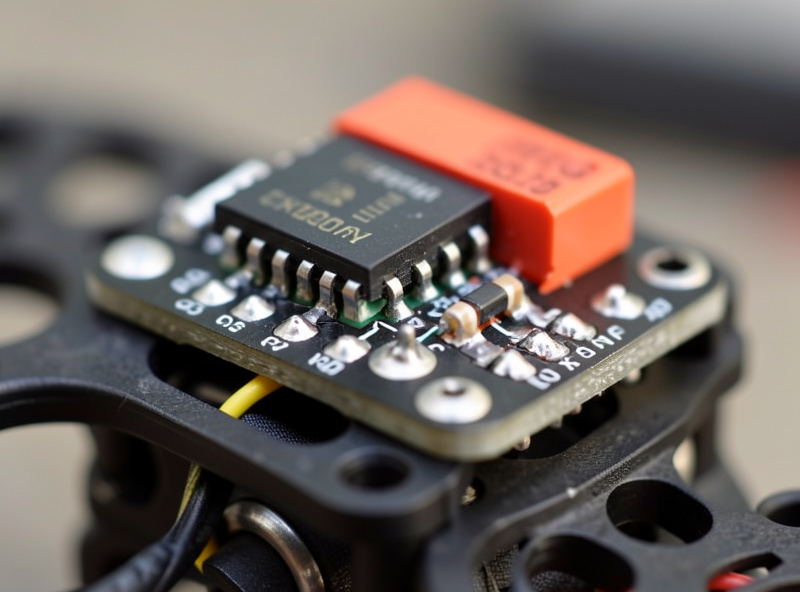
Your video link is usually the real range limit, so this choice defines the build. A digital system like DJI O3 gives a crisp picture far out and records clean onboard footage; a good analog VTX with a sensitive receiver fades into flyable static at the edge. I fly both and pick by mission — the honest comparison is in DJI O3 vs analog and the mechanics in the video link explained.
Whichever you choose, the video antenna is where range is won or lost. A quality circularly polarised antenna and good placement beat raw transmit power every time. Do not let the video antenna sit next to the ExpressLRS antenna or the GPS — spacing prevents interference.
Long-range batteries are chosen for energy density. Li-ion packs built from 18650 or 21700 cells carry far more watt-hours per gram than the high-C LiPo freestyle pilots fly, which is why a long-range 7-inch on Li-ion can stay up dramatically longer. Low-C, high-capacity LiPo is the middle ground when you want a little more current available. I buy packs; I do not build or modify them, and neither should you — long-range endurance is a purchase, not a soldering project.
Battery care is the same adult routine I follow on every bench: storage charge between sessions, balance charge every time, and respect the cold. The full discipline is in my LiPo care guide.
| Component | Freestyle 5-inch | Long-range 7-inch |
|---|---|---|
| Motors | High KV, punchy | Lower KV, efficient |
| Control link | 2.4GHz ELRS | 900MHz ELRS |
| GPS | Optional | Mandatory (rescue) |
| Battery | High-C LiPo | Li-ion / low-C LiPo |
| Typical flight time | 3–5 min | 10–20+ min |
| Priority | Agility | Efficiency & link margin |
I solder in the same sequence every time so I never trap a connection under a board I already mounted: motors to ESC, ESC to FC, receiver, VTX, then GPS last on top. My full bench sequence is in FPV drone soldering order, and the props-off Betaflight pass is in Betaflight first-time setup. Before a single armed flight I run the first-arm checklist — on a long-range quad I add a GPS-lock-and-home-point check to it.
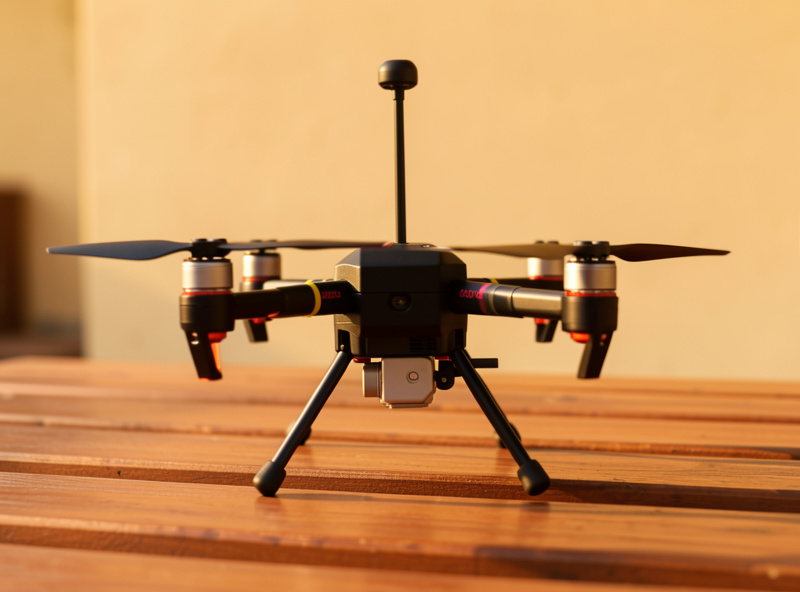
When you crash far from home — and you will — the walk is longer and the damage is sometimes hidden. My crash repair guide and frame reinforcement notes get the quad airworthy again.
It is the most popular because it balances efficiency, payload, and handling, but 6-inch and 10-inch long-range builds exist. The 7-inch hits the sweet spot of low hover current, room for a GPS and video system, and props that survive crashes. Most pilots start long-range here.
On a quality Li-ion pack a well-tuned 7-inch commonly flies 10 to 20+ minutes, versus 3 to 5 minutes for a freestyle 5-inch. Exact time depends on pack capacity, all-up weight, and how gently you cruise. Endurance is the whole point of the airframe.
Yes. The GPS module enables Betaflight GPS Rescue, which turns the quad toward your home point on a lost link. Without it, a failsafe far from home almost always means a lost quad. It is the one part I would never omit from a long-range build.
Partly. You can add a GPS module and a 900MHz receiver, but a 5-inch airframe and high-KV motors stay inefficient. You gain link margin and rescue but not the endurance that makes long-range worthwhile. A dedicated 7-inch efficient build is the real answer.
A quality Li-ion pack sized to your frame, bought ready-made. Li-ion carries the most watt-hours for endurance. Never build or modify packs yourself. Storage-charge it between sessions, balance-charge every time, and retire any pack that puffs.
Expect more than a basic freestyle build because of the GPS module, 900MHz link, and a digital video system if you choose one. The frame, motors, and stack are comparable; the long-range-specific parts add the cost. Buying a sensitive antenna is cheaper than chasing range with power.
GPS Rescue is the Betaflight feature that, on a lost control link, makes your quad…
Long-range FPV is the discipline of building a quad that stays connected and stays flyable…
Leave a Reply