Long-Range FPV Builds: What You Actually Need
A long-range FPV build is a 7-inch quad optimised for efficiency and link margin rather…
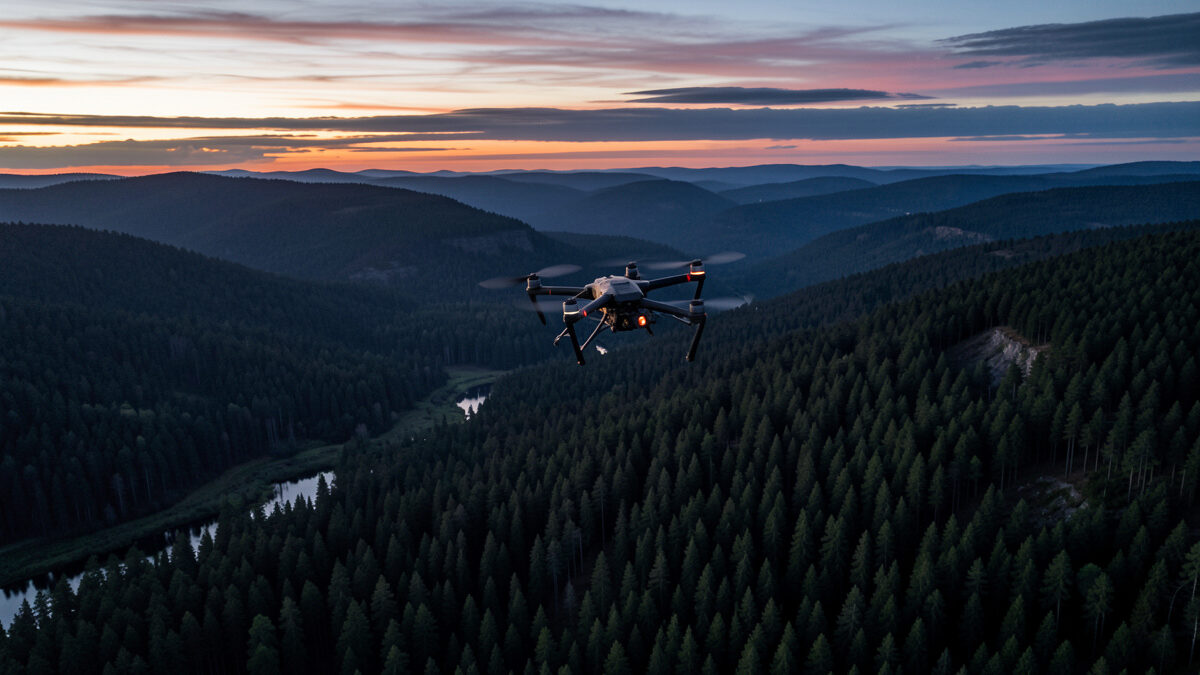
GPS Rescue is the Betaflight feature that, on a lost control link, makes your quad climb to a set altitude, turn toward the home point it locked before takeoff, and fly back until it reconnects or you take over. For long-range flying it is not optional — it is the single safety system that turns a failsafe far from home into a controlled return instead of a lost quad and a long search.
I treat GPS Rescue the way I treat a balance charger: a tool that is brilliant when set up correctly and dangerous when you assume it just works. I have watched it bring a quad home over a treeline, and I have seen badly configured rescues fly a quad away from home. The difference is entirely in the setup and the test. This is the configuration I fly and the bench check I run before every long-range session. It sits under my long-range FPV guide and assumes you have a GPS module on the build — if not, the wiring is covered in the long-range build guide.
A failsafe triggers when the flight controller stops hearing your radio — the control link broke. Without GPS Rescue, the default failsafe is to drop the quad: motors cut and it falls. That is fine over a field three metres away and catastrophic a kilometre out over forest. GPS Rescue replaces “fall” with “come home”: using the locked home coordinates and the onboard GPS, the quad takes over, gains altitude, and navigates back along a straight line toward you.
It is critical to understand this is a return-toward-home behaviour, not a precision landing. The quad flies back to roughly above the home point and holds or descends depending on your settings; you are expected to regain the link on the way back and take manual control. It buys you the distance back into radio range. It is a recovery net, not an autopilot you fly behind.
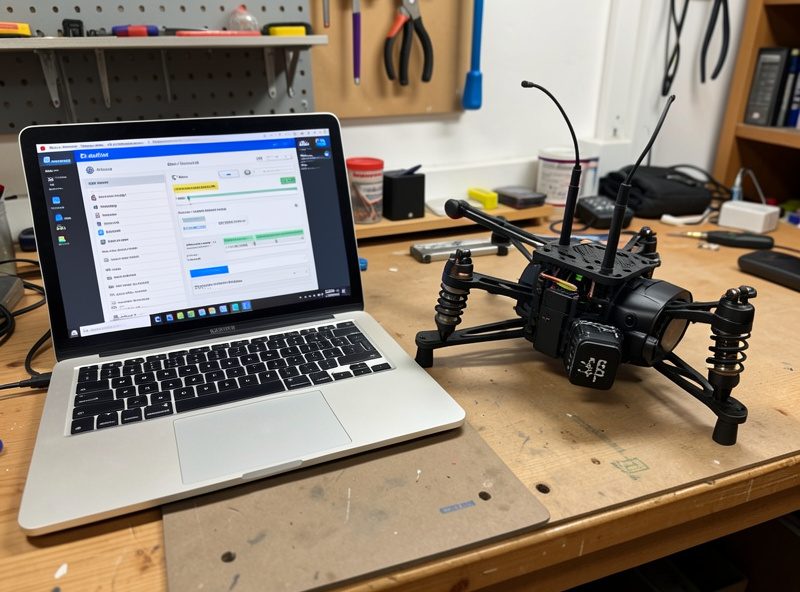
GPS Rescue is only as good as the home point it remembers, and the home point is set the moment you arm with a solid satellite lock. If you arm with too few satellites, the home point is wrong — and a rescue to the wrong coordinates flies your quad confidently off to nowhere. This is the number one cause of rescues that go bad.
My rule is simple and I never break it: I wait for a strong satellite count and a stable lock before I arm, every single flight. I want the GPS to have settled, not just blinked a first fix. Betaflight lets you require a minimum satellite count before rescue is allowed and before arming — I set those and I respect them. A rescue is a promise the quad can only keep if it knew where home was when it left.
The return altitude is the height the quad climbs to before flying home, and in mountain or wooded country it is a life-or-death number for the airframe. Set it too low and the quad will fly a confident straight line into the ridge between it and home. I set my return altitude above the highest terrain and obstacle in the area I am flying, with margin — if there is a 60-metre treeline and a hill, the return altitude clears all of it.
This is exactly why long-range and terrain planning are the same skill. Before I fly a bowl or a valley I already know the highest thing between my far point and my launch point, and my rescue altitude is set above it. My full method for reading that terrain is in terrain mapping and flight planning. Setting a rescue altitude without knowing the terrain is just guessing with your quad as the stake.
Beyond home lock and altitude, a few Betaflight GPS Rescue settings shape how the recovery behaves. I set a sane return speed — fast enough to make progress against wind, not so fast it overshoots and oscillates. I set a minimum start distance so a brief link glitch right over my head does not trigger a full climb-and-return when I could just retake the sticks. And I make sure my failsafe stage is configured so the rescue actually engages instead of the quad simply dropping.
I do not chase exotic settings or fly with experimental firmware on a long-range quad. Betaflight’s defaults, documented in the official Betaflight wiki, are a sensible starting point; I adjust altitude and home-lock requirements to my site and leave the clever stuff alone. The quad that comes home is the one running a configuration I understand and have tested, not the one with forty tweaked parameters I read about once.
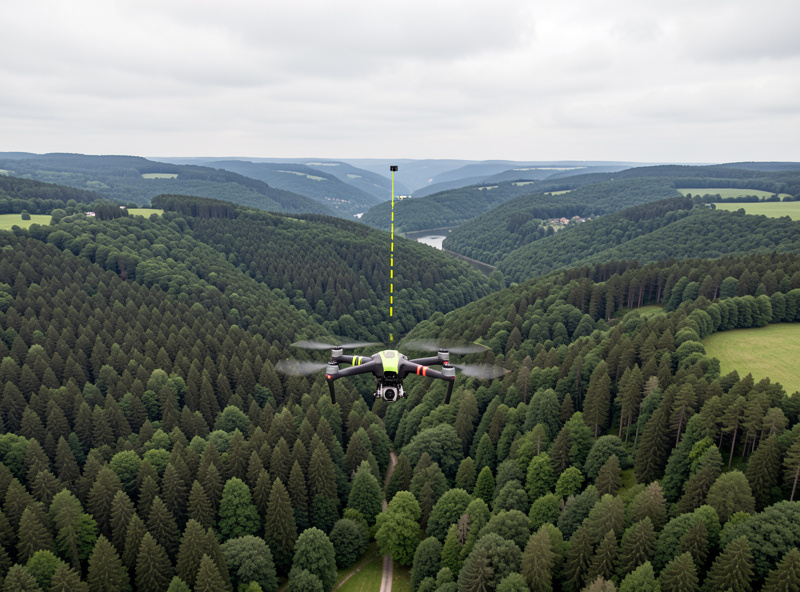
I never trust a rescue I have not tested. On the bench, props off, I confirm the failsafe stage triggers rescue mode when I cut the transmitter — I watch the flight controller report the mode change. Then in the field, with plenty of altitude and the quad close and in sight, I deliberately trigger a failsafe (switch-induced) and watch it climb, turn home, and behave. Only after it has proven itself close do I rely on it far out.
This test belongs in your pre-flight routine. I fold a GPS-lock-and-rescue check into my first-arm checklist for every long-range session, right alongside the Betaflight props-off pass. A rescue you have never watched work is a rescue you are hoping works.
Honesty matters here because over-trusting rescue gets quads lost. It cannot help if the home point was set with a bad lock. It struggles in deep valleys where the GPS sky view is poor or where terrain blocks the climb path. It will not recover a quad that has lost power or suffered mechanical failure — it is a navigation tool, not magic. And it assumes the battery has enough left to fly all the way back, which is why I turn around on voltage and link quality long before I am forced to.
The healthiest mindset is that GPS Rescue is your insurance, not your plan. The plan is to watch your link quality and battery, fly a route you can complete, and turn back with margin. Rescue is what catches you when the plan meets the real world. Pair it with disciplined battery habits and a watchful eye on telemetry and you have a long-range setup that comes home.
GPS Rescue is a Betaflight failsafe behaviour that uses an onboard GPS module to fly the quad back toward the home point it locked at arming when the control link is lost. It climbs to a set altitude, turns home, and navigates back until you regain control. It is the core safety net for long-range FPV.
Almost always a bad home point. If you arm without a strong satellite lock, the quad remembers the wrong coordinates and rescues toward them. Always wait for a stable lock and a high satellite count before arming, and set a minimum satellite requirement in Betaflight.
Above the highest terrain and obstacle between your far point and home, with margin. In mountain or wooded country that means clearing the ridge or treeline the quad would otherwise fly into. Plan the terrain first, then set the altitude above it.
Enough for a stable, settled lock, not just a first fix. More satellites mean a more accurate home point, which is what a rescue depends on. Set Betaflight to require a minimum count before arming and before allowing rescue, and wait for it every flight.
It returns the quad to roughly above the home point and descends per your settings, but it is not a precision auto-lander. You are expected to regain the control link on the way back and take over manually. Treat it as a recovery net that buys distance, not a hands-off autopilot.
Always. Confirm on the bench with props off that a failsafe triggers rescue mode, then test it in the field with the quad close, high, and in sight by inducing a failsafe. Only rely on it far out after you have watched it climb, turn, and return correctly.
A long-range FPV build is a 7-inch quad optimised for efficiency and link margin rather…
Long-range FPV is the discipline of building a quad that stays connected and stays flyable…
Leave a Reply