How to Extend LiPo Battery Life: My Charging Habits
You extend LiPo battery life with a handful of unglamorous habits done every single time:…
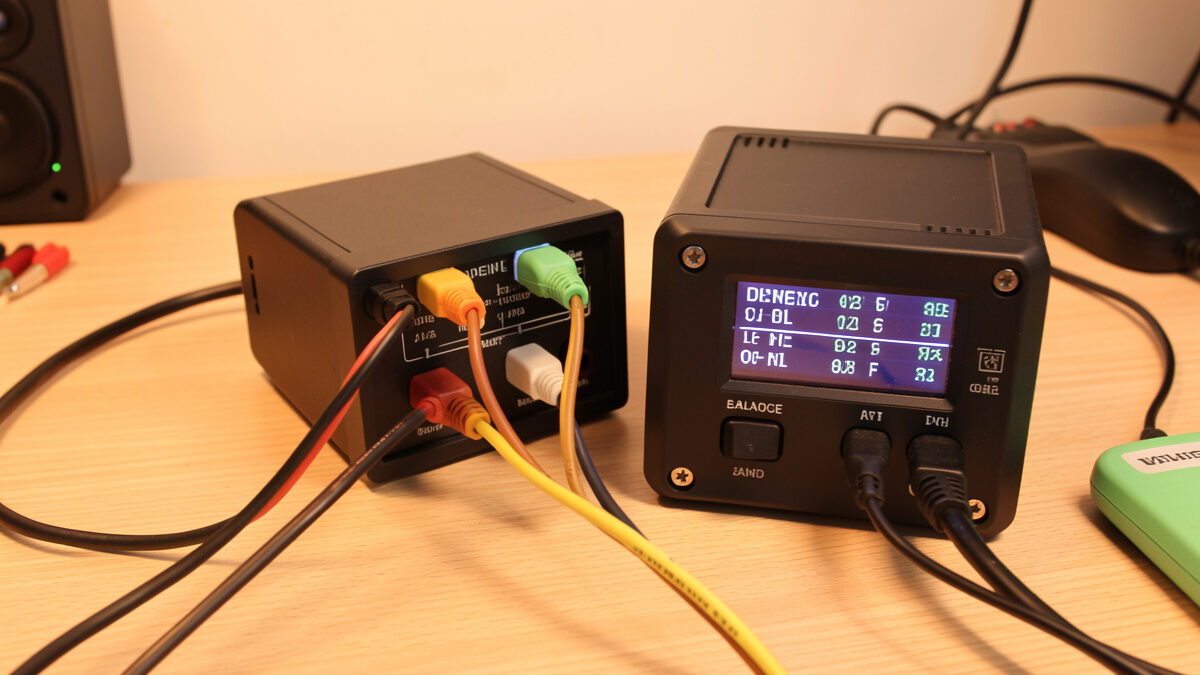
Balance charging means the charger monitors and equalises every cell in a multi-cell LiPo individually, bringing each one to the same 4.2V target instead of just filling the pack to a total. It matters because cells drift apart in voltage with use, and even a 0.1V gap between cells means one is being silently overcharged while the pack’s total reads perfectly normal — the exact condition behind most swelling and fires. The balance lead is how the charger sees inside the pack, and using it every single time is the difference between a long-lived pack and a dangerous one.
I learned this the expensive way early on: I once fast-charged a 3S pack on the main connector alone to get back in the air faster, and a week later that pack came off the charger with one cell visibly fat and the other two flat — a battery I had to retire long before its time. I have not charged a single pack without the balance lead since, and after years on the bench I genuinely cannot understand the pilots who still treat it as optional. This is balance charging explained the way I actually think about it: what it does, why skipping it is the quiet mistake that ages and endangers packs, and how to read what the balance numbers are telling you. As always, this is care and habit only — no pack building, no modification, no opening anything.
A multi-cell LiPo is several cells wired in series, and the main connector only shows you the pack’s total voltage. A 4-cell pack reading 16.8V looks full, but that total could hide one cell at 4.3V and another at 4.1V — wildly different states of health masked by an average. The balance lead breaks out each cell individually so the charger can see, and manage, them one at a time.
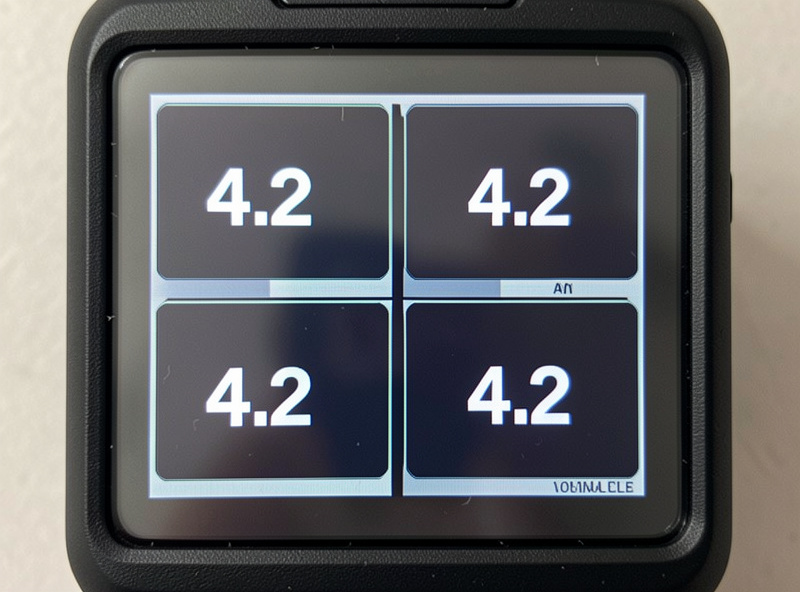
During a balance charge the charger brings every cell to the same target voltage, bleeding off the ones that run ahead so the laggards can catch up. The result is a pack where all cells finish matched at 4.2V each, not an average that happens to land at the right total. That per-cell control is the entire point, and it is impossible without the balance lead plugged in.
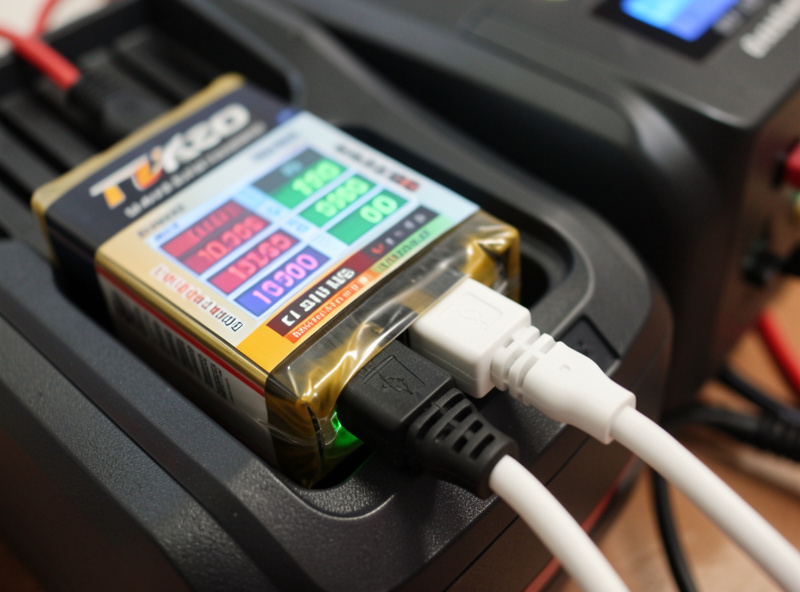
Charging without the balance lead — fast-charging on the main connector alone — fills the pack to a total voltage but lets the cells stay however unequal they already were. Do it once and you probably get away with it. Do it as a habit and the cells drift further apart over time, until one cell is regularly pushed past 4.2V while the pack total still looks fine. That overcharged cell is precisely what swells and, in the worst case, ignites.
The reason it is so dangerous is that it is invisible. Nothing on the pack total warns you; the drift hides inside the average until a cell fails. This is why I treat “always balance charge” as non-negotiable rather than a best practice. The few minutes it adds buys you the one thing the main connector can never give: certainty that no single cell is being quietly cooked. It is the same discipline that keeps every pack healthy, from my indoor tinywhoop to the bigger packs I store for winter.
A good charger shows per-cell voltages, and learning to glance at them is a genuine skill worth building. On a healthy pack the cells sit close together — within a few hundredths of a volt of each other across the charge. When I see cells finishing tightly matched, I know the pack is in good shape and the chemistry is even.
The warning sign is a cell that consistently lags or leads the others by a noticeable margin. An occasional small spread is normal; a cell that is always the odd one out, charge after charge, is a pack telling you it is aging and worth watching closely. A simple cell checker lets you spot-read a resting pack the same way without setting up a charge, which is how I catch a drifting cell early.
As an Amazon Associate I earn from qualifying purchases; everything I link is gear I keep on my own bench.
Balance charging is only as good as the charger doing it, and this is one place I do not cut costs. A decent balance charger with a clear per-cell display, a proper storage mode, and sane safety cutoffs is inexpensive next to the packs and aircraft it protects, and it turns the whole routine into a one-button job. I would rather own one good charger than three cheap ones with vague displays I cannot trust.
The features that earn their place are the ones that support the habits: per-cell readout so you can see drift, a storage function so a pack at rest lands at the right voltage, and a balance mode that is simply the default rather than a setting you have to choose. A good balance charger is the foundation the rest of LiPo care is built on, and it is the first thing I tell anyone to buy properly — right alongside getting the storage-charge habit right.
Balance charging is not only a safety habit; it is a longevity habit. A pack whose cells stay matched ages evenly and predictably, because no single cell is taking more stress than its neighbours. A pack charged carelessly develops a weak cell that drags the whole pack down long before the other cells would have failed, effectively retiring an otherwise-healthy pack early.
That is the hidden cost of skipping the balance lead: not just the dramatic failure, but the slow, expensive death of packs that should have lasted longer. Every balanced charge is a small deposit in a pack’s lifespan, and over a season those deposits add up to packs that keep flying while a careless pilot’s identical batteries are already in the recycling bin.
Balance charging keeps a healthy pack matched; it cannot resurrect a cell that has already failed. If a pack has a cell that reads far below the others, will not come up to voltage, or shows any swelling, the balance charger is not a repair tool — that pack is at the end of its life and belongs in retirement, discharged safely and recycled properly.
This is the line I never cross: a charger balances cells, it does not fix them, and there is no home procedure that safely revives a failing cell. The same caution runs through my whole approach in the full LiPo battery care guide — and it lines up with what battery-safety bodies say about lithium-polymer cells, which the FAA PackSafe guidance on lithium batteries reinforces: a damaged or swollen cell is a hazard to be retired and recycled, never repaired. Anyone telling you to open, prod, or “recover” a damaged pack is describing exactly the dangerous activity that responsible battery care excludes. Balance charging is the habit that keeps packs healthy; retirement is the answer when one is not.
It monitors and equalises every cell in the pack individually through the balance lead, bringing them all to the same voltage rather than just filling the pack to a total. This prevents one cell being quietly overcharged while the pack total looks fine, which is the main cause of swelling and fire.
No, not as a habit. Charging on the main connector alone fills the pack to a total voltage but lets the cells stay unequal, so over time a drifted cell can be pushed past 4.2V invisibly. Always connect the balance lead so the charger can manage each cell.
A good charger shows per-cell voltages. On a healthy pack the cells sit within a few hundredths of a volt of each other through the charge. A cell that consistently lags or leads the others by a noticeable margin is a sign the pack is aging and worth watching closely.
Balance charging adds only a few minutes over a non-balanced charge because the charger spends time equalising cells near the top of the charge. That small time cost is widely considered the cheapest insurance in the hobby, since it prevents the overcharge condition that causes pack fires.
A true single-cell pack has no cells to balance against each other, so balancing does not apply in the same way. The principle matters for any multi-cell pack, where series-wired cells can drift apart. Most flying packs are multi-cell, so balance charging is the standard habit.
No. Balance charging keeps healthy cells matched but cannot revive a failed cell. If a cell reads far below the others, will not reach voltage, or the pack shows swelling, the pack is at the end of its life and should be safely discharged and recycled, never repaired.

You extend LiPo battery life with a handful of unglamorous habits done every single time:…
LiPo battery care comes down to four habits done consistently: charge to a storage voltage…

LiPo batteries behave noticeably worse in cold weather: a pack that gives a full, punchy…
Leave a Reply