Velocidrone vs Liftoff vs DCL: Which FPV Sim to Fly
For honest physics and racing, pick Velocidrone; for the gentlest learning curve and the best…
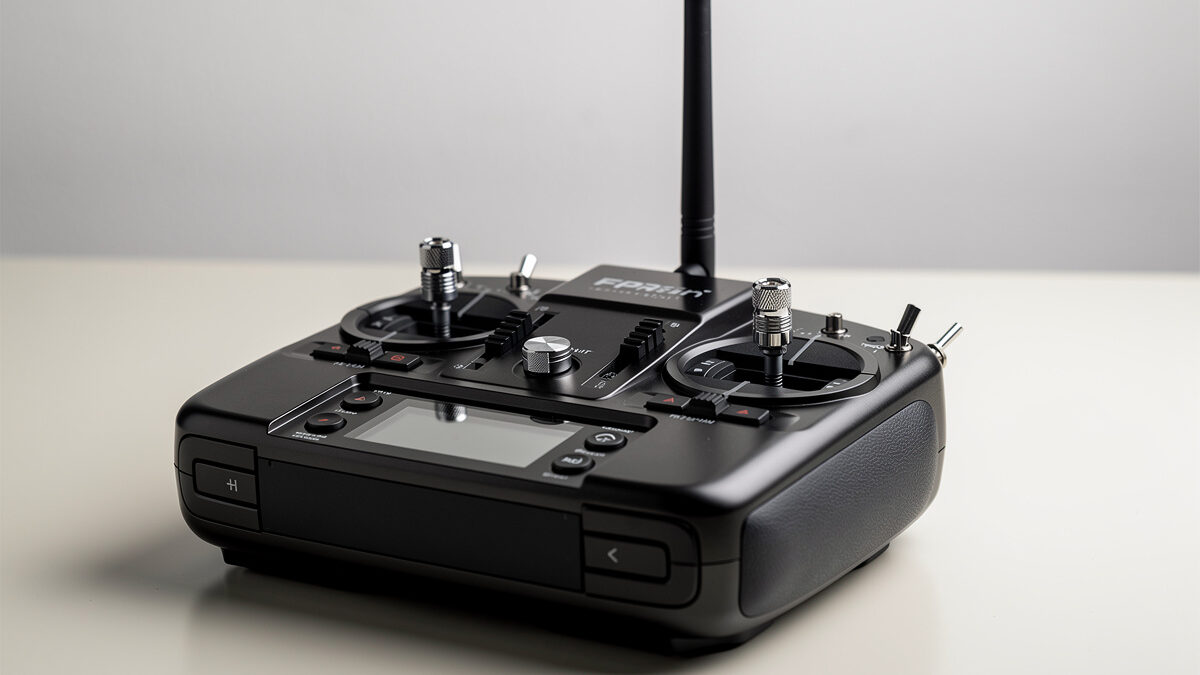
I’m going to defend a piece of advice that sounds completely backwards to every newcomer: buy the FPV controller before the drone. Not at the same time, not after — first. Before you own anything that flies, the very first thing in your kit should be the radio transmitter. I know how strange that sounds when the whole point is to fly a drone. Stick with me, because this single sequencing decision quietly saves beginners more money than almost any other, and I’ve watched the people who ignore it pay for it twice.
The radio is the one piece of FPV gear I’d tell you to spend real money on up front, and the one piece you should never buy cheap “just to start.” Here’s the full argument, from someone who’s owned the cheap radios, outgrown them, and re-bought — so you don’t have to.
Here’s the core insight, the thing the whole argument rests on: in FPV, the radio is the permanent object and the quads are the consumables. You will crash quads, repair quads, upgrade quads, build new quads, and eventually own several. Through all of that churn, the radio in your hands stays the same. A good transmitter is a multi-year purchase that binds to every aircraft you’ll ever own. The quad is the part that comes and goes.
Buy that relationship the wrong way round — cheap radio, expensive drone — and you’ve spent your money on the disposable part while skimping on the permanent one. It’s exactly backwards, and it’s the default mistake because newcomers naturally fixate on the thing that flies. The pilots who get this right spend on the radio and let the quads be cheap and replaceable, which is the correct cost structure for a hobby built on crashing.
There’s a second reason to buy the radio first that makes the timing obvious once you see it: the radio is what you fly the simulator with. And the simulator is where you should spend your first dozen-plus hours before you ever arm a real quad. So the radio isn’t just your first flying purchase — it’s your first learning purchase, the tool that lets you start building skill the day it arrives, with no drone in sight.
This is why “controller before drone” isn’t really about controllers versus drones at all. It’s about recognizing that the path starts with the sim, the sim needs a radio, and that radio is the same one you’ll keep for years. Buy it first, plug it into the sim, and you’re learning while you decide what to fly. I lay out that whole sequence in my guide to getting into FPV, and the case for the sim hours specifically in how many simulator hours you need before flying.
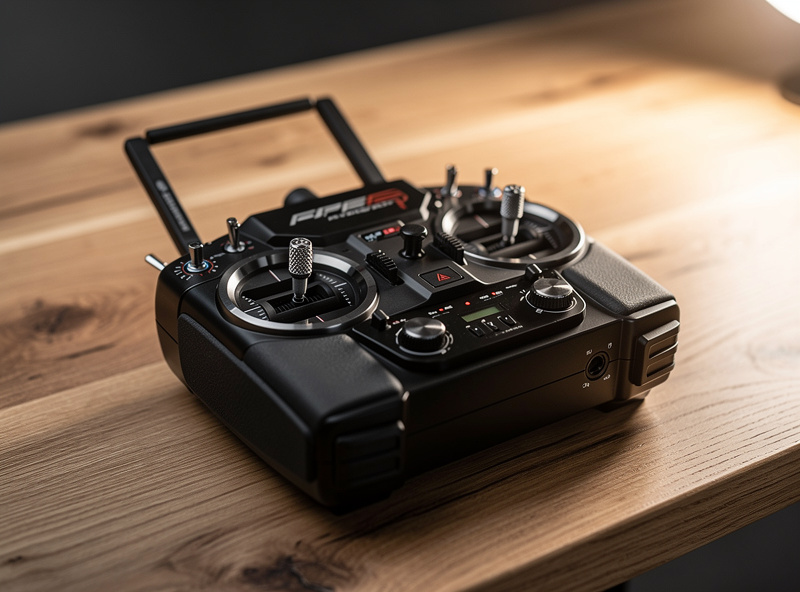
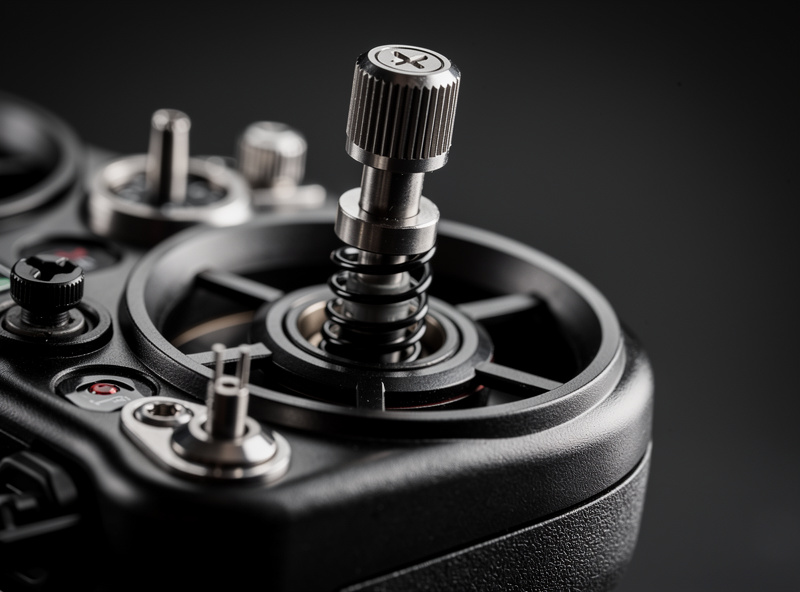
If you’re going to spend on the radio, spend on the thing that matters most: the gimbals. The gimbals are the spring-loaded sticks you fly with, and they come in two broad types that genuinely matter for a beginner’s purchase.
Potentiometer gimbals use a physical wiper that drags across a resistive track. They’re cheaper, and they wear. Over time they develop slop, drift, and dead spots — exactly as your growing skill starts to demand precision. Hall-sensor gimbals use magnetic sensing with no physical contact, so there’s nothing to wear out. They stay precise for years.
For a beginner, hall-sensor gimbals are the upgrade worth paying for, because they’re the difference between a radio you keep and a radio you replace. A cheap potentiometer radio feels fine in the shop and sloppy six months later. A hall-gimbal radio feels precise on day one and still feels precise when you’re flying a 5-inch freestyle quad two years on.
There’s a subtler reason this matters that beginners can’t feel yet but will. As your flying improves, your inputs get smaller and more precise — you stop wrestling the sticks and start whispering to them. That’s exactly the moment a worn potentiometer gimbal betrays you, because its dead spots and drift sit right in the small-input range where your new skill lives. You end up blaming yourself for sloppy flying when the real culprit is the hardware. A hall-gimbal radio never develops that problem, so the skill you build is the skill you keep. Spending here isn’t about luxury; it’s about not having your gear hold back your progress at the precise moment you start to get good.
Here’s the two approaches laid out honestly, so the logic is impossible to miss.
| Decision | Radio first (the right way) | Drone first (the trap) |
|---|---|---|
| What you learn on | Sim, from day one | Nothing until the drone arrives |
| Where money goes | The permanent gear | The disposable gear |
| Gimbal quality | Hall-sensor, lasts years | Often cheap, gets re-bought |
| Long-term cost | Buy once | Buy twice |
| Skill on first flight | Sim-trained reflexes | Starting from zero |
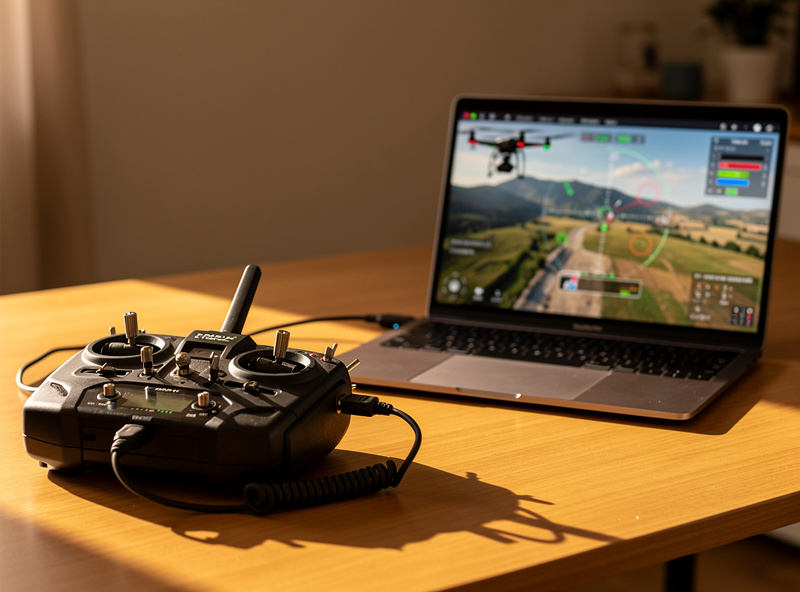
Let me make this concrete, because the principle is easy to nod along to and harder to act on when you’re staring at a cart full of shiny quads. The practical move is this: before you add a single drone to your basket, buy one good radio. Charge it, update it, and connect it to your computer. Install a simulator that evening. Spend your first sessions in the sim drilling orientation and throttle control. You are now learning to fly FPV, and you don’t own a drone yet. That’s not a delay — that’s the fastest possible start, because you’re building the reflexes that make your eventual first real flight a success instead of a crash.
The beginners who do this arrive at their first tinywhoop flight already able to hover, turn, and recover. The beginners who buy a drone first arrive at their first flight starting from zero, usually crash within a minute, and often conclude they’re “bad at this” when really they just skipped the free, safe place to get good. Same money, wildly different outcome, decided entirely by which thing you bought first.
A particular version of this mistake deserves its own warning: the bundle. Many ready-to-fly kits include a radio in the box, and beginners reasonably assume it’s all they need. Sometimes the bundled radio is genuinely decent. Often it’s a basic unit with potentiometer gimbals and limited protocol support — fine for that one toy, useless as the foundation for a growing hobby. If you buy into a bundle for the convenience, just go in clear-eyed that the radio may be the part you upgrade first. When in doubt, buy the standalone hall-gimbal radio and pair it with a bind-and-fly quad rather than a full bundle built around a throwaway transmitter. The radio is the foundation; don’t let it be an afterthought chosen by whoever packed the box.
One more thing worth getting right when you buy the radio: the control-link protocol. The hobby has largely standardized on ExpressLRS (ELRS) — it’s open, inexpensive, long-range, and the receivers cost very little. Buying a radio with ELRS built in (or easily added) means every future quad, from your first tinywhoop to a long-range build, binds to the same transmitter with cheap, interchangeable receivers. It’s one more way the right radio purchase pays off across years rather than weeks. A radio with hall-sensor gimbals and ELRS is, genuinely, the most future-proof single purchase in the whole hobby.
The radio purchase that anchors everything. As an Amazon Associate I earn from qualifying purchases. These are category search links, not endorsements of a specific listing.
So when someone asks me what to buy first for FPV, my answer is always the same and always surprises them: the radio. A good hall-gimbal, ELRS-capable transmitter. Buy it, plug it into a simulator, and start building skill that very evening — no drone required yet. Then, when the sim hours have done their work, the rest of the kit follows in order: a tinywhoop as your first real quad, goggles, and eventually bigger machines. The radio you bought first flies all of them.
Getting this order wrong is one of the classic expensive beginner mistakes — spending on the disposable part and skimping on the permanent one, then re-buying the radio you should have bought well the first time. Getting it right costs nothing extra; it just means deploying the same money in a smarter sequence. Controller before drone. Every time. It’s the least intuitive and most reliable piece of advice I give beginners, and the one they thank me for later.
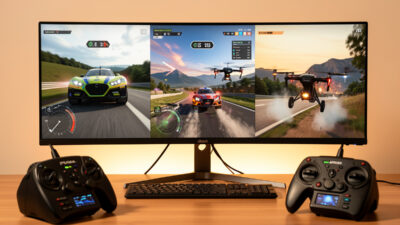
For honest physics and racing, pick Velocidrone; for the gentlest learning curve and the best…
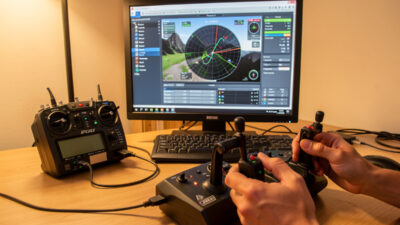
Setting up your controller in an FPV simulator takes about ten minutes and decides whether…
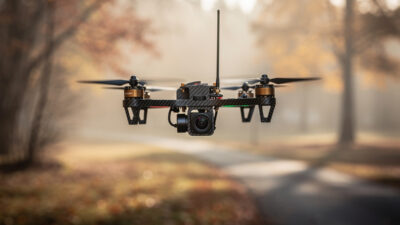
Every few months a message lands in my inbox that reads almost word for word…
Leave a Reply