LiPo Battery Care: The Honest, No-Heroics Guide
LiPo battery care comes down to four habits done consistently: charge to a storage voltage…

You extend LiPo battery life with a handful of unglamorous habits done every single time: storage-charge packs at rest, balance charge always, land with a reserve instead of flying packs flat, charge at a gentle rate and let packs cool before charging and before storing. Do all of that and a quality pack commonly reaches 150 to 300 cycles or more; skip them and the same pack can be tired in a single hard season. Longevity is not a trick — it is a routine, and here is the exact one I run.
I have watched two identical packs live completely different lifespans purely on how they were treated, and that gap is entirely within your control. None of what follows involves modifying, building, or opening a pack — it is pure care and habit, the boring kind that quietly doubles how long your batteries last. If you only adopt half of these, adopt the first two; if you adopt all of them, your packs will outlast everyone’s at the field who treats batteries as an afterthought.
The biggest single lever on pack life is not flying it full and not leaving it full. A LiPo left at 4.2V per cell ages and swells far faster than one rested at storage voltage of about 3.8V per cell, so any pack that will sit more than a day or two goes to storage charge. This one habit alone separates packs that last seasons from packs that puff in months.
I never charge a pack to full until I am genuinely confident I will fly it soon, and anything left full after a cancelled session gets discharged back to storage. It costs nothing but a little discipline about when you press start on the charger, and it is the highest-return habit in the whole routine. Everything else on this list helps; this one is decisive.
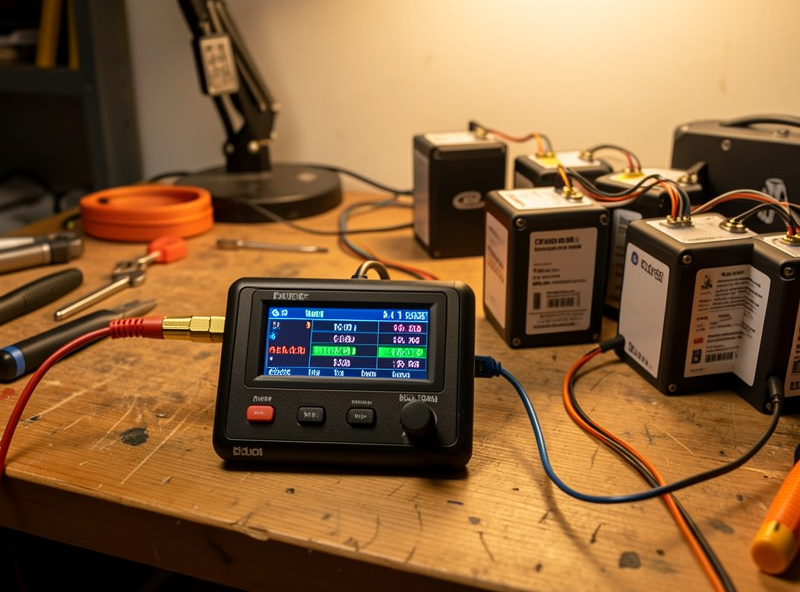
Balance charging through the balance lead keeps every cell matched, and matched cells age evenly. A pack charged on the main connector alone lets cells drift apart until one weak cell drags the whole pack into early retirement long before the others would have failed. The few minutes balancing adds is the cheapest longevity insurance there is.
Pair that with a sane charge rate. Heat is what ages a LiPo, and faster charging makes more heat, so I default to a gentle rate rather than the maximum the pack allows. When I am not in a hurry — which is most of the time, because I storage-charge in advance — I charge slow and keep the pack cool. A good balance charger with a clear per-cell display and a storage mode makes both habits effortless. As an Amazon Associate I earn from qualifying purchases; the gear I link is what I keep on my own bench.
Over-discharge is a pack killer, and it is entirely avoidable. Flying a pack until it is bone empty drags cells down toward and past their safe floor, doing permanent damage even when the pack still looks fine afterward. I land with a reserve every flight — I never fly the last fraction of a pack — and that single habit prevents the slow death that over-discharge causes.
The reserve also gives you a margin for the unexpected: a headwind on the way home, a misjudged distance, a cold pack sagging early. Flying conservatively on battery is not timidity; it is what keeps both the pack and the aircraft coming home. A pack that is never run flat ages gracefully, while a pack regularly flown to empty develops a weak cell and retires early.

Heat is the enemy of LiPo lifespan, and temperature discipline runs through the whole routine. A pack warm from flying should cool before it goes on the charger, and a pack warm from charging should cool before it goes into storage. Stacking heat on heat — charging a hot pack, or storing one — accelerates exactly the aging you are trying to slow.
I also keep packs out of hot environments entirely: no sun-baked shelf, no hot car, no charging on a warm surface. The same chemistry that high voltage stresses, heat stresses, and the two together are worse than either alone. Treating a pack as something that should always be cool or merely warm, never hot, removes one of the biggest hidden causes of early pack death.
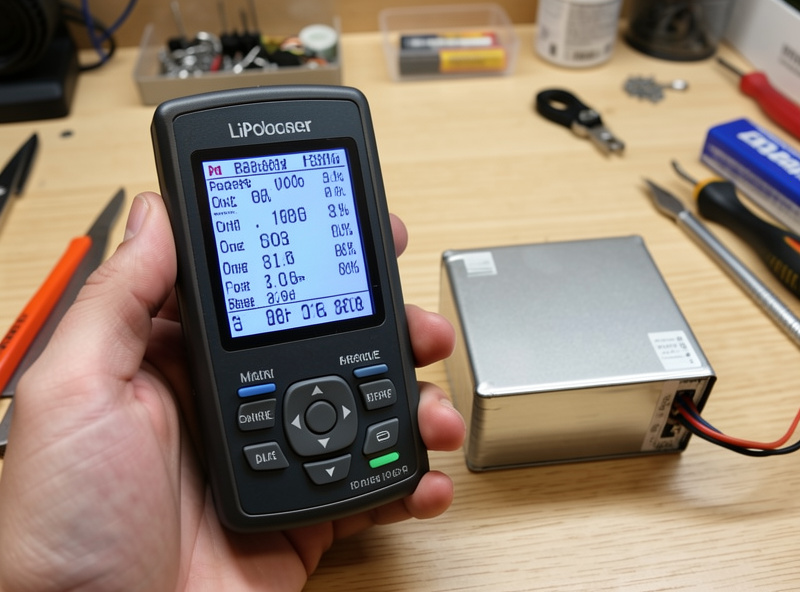
A pack rarely fails without warning, and a quick habit of checking catches the warning. Every so often I read resting cell voltages with a simple checker, looking for a cell that has started to drift from its neighbours. A cell that consistently lags is a pack telling me it is aging, which lets me retire it on my schedule rather than discovering it mid-flight.
A cell checker costs almost nothing and turns pack health from a guess into a glance. Catching a drifting cell early is the difference between a planned retirement and a failure, and it is the kind of small, cheap habit that defines whether you are caring for your packs or just using them until they quit. I keep the checker clipped to the same shelf as the charger so the check happens without effort — if a tool lives where the work happens, the habit sticks; if it lives in a drawer, it never gets used. Over time I have learned to trust the pattern more than any single reading: a cell that is a few hundredths low once means nothing, but the same cell lagging three charges running is a pack quietly telling me its retirement date, and planning for that beats being surprised by it every time.
Physical care matters as much as electrical care. I pull on the connector, never the thin balance-lead wires, when unplugging; I keep packs from rattling loose against metal or sharp objects that could puncture a pouch; and I store every pack in a fireproof container on a safe surface. A crash-damaged pack gets watched closely and retired at the first sign of trouble, because impact damage is a real failure trigger even when a pack looks intact.
None of this is dramatic, and that is exactly the point. LiPo longevity is the sum of a dozen small, boring habits, each one removing a little stress or risk. A pack treated gently in every one of these ways outlasts an identical pack flown hard and charged carelessly by a wide margin — and the whole routine, once it is automatic, takes almost no thought at all. That is the trade: a few minutes of discipline per session for packs that last seasons longer.
Storage-charge packs at about 3.8V per cell whenever they rest, balance charge every time, land with a reserve instead of flying packs flat, charge at a gentle rate, and let packs cool before charging and before storing. These boring habits together commonly stretch a quality pack to 150 to 300 cycles or more.
A quality LiPo cared for well commonly lasts somewhere in the range of 150 to 300 charge cycles, though it varies widely with use. Storage charging, balance charging, gentle charge rates, and never flying packs flat all push that count higher, while careless charging cuts it short fast.
Yes. Faster charging produces more heat, and heat is what ages a LiPo, so a gentle charge rate extends pack life. Default to a relaxed rate rather than the maximum the pack allows, and only use a faster rate when you genuinely need a pack back quickly, while watching it.
Yes. Over-discharging drags cells toward and past their safe floor and causes permanent damage even if the pack still looks fine. Always land with a reserve and never fly the last fraction of a pack. A battery that is never run flat ages far more gracefully.
Yes. A pack warm from flying should cool before it goes on the charger, and a pack warm from charging should cool before storage. Heat accelerates aging, so stacking heat on heat shortens pack life. Keep packs cool or merely warm, never hot.

LiPo battery care comes down to four habits done consistently: charge to a storage voltage…

A LiPo safe bag is worth it, but not for the reason the marketing implies.…

LiPo batteries behave noticeably worse in cold weather: a pack that gives a full, punchy…
Leave a Reply