FPV Simulator Training Guide: Build Skill Before You Arm
An FPV simulator is a piece of software that lets you fly a virtual quad…
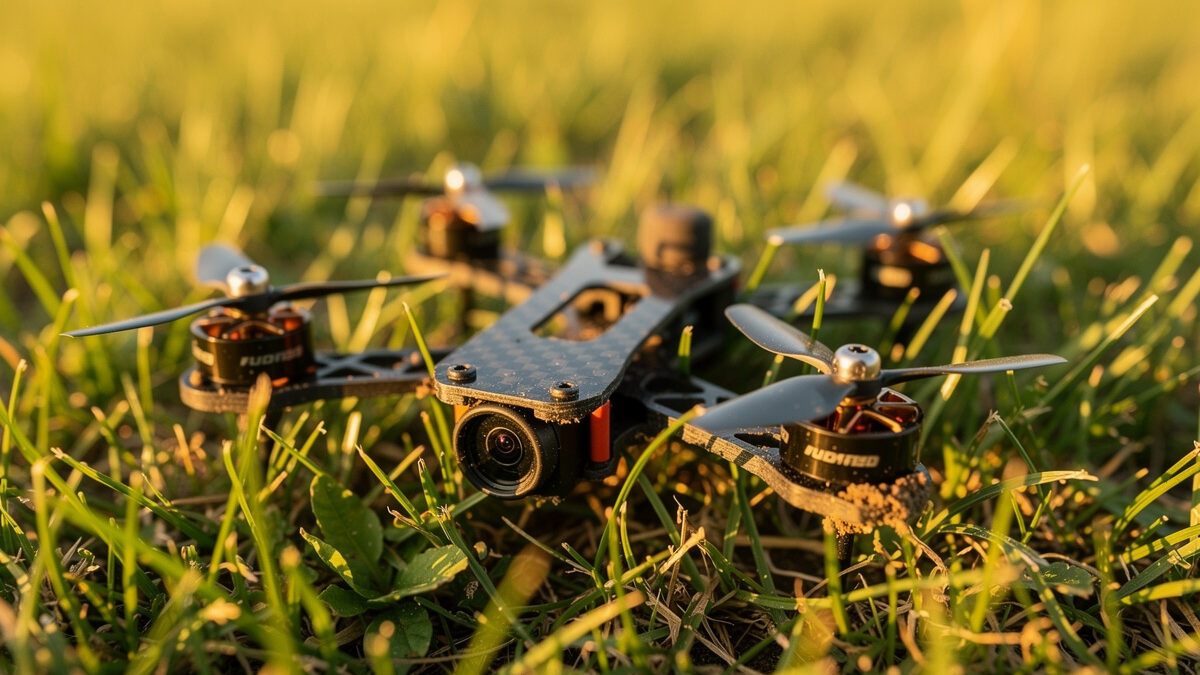
I’ve made most of the expensive FPV beginner mistakes myself, and I’ve watched newcomers make the rest with a consistency that’s almost reassuring. The same handful of errors drain the same wallets in the same order, year after year. The good news is that every one of them is avoidable once someone names it for you — which is exactly what this page does. Consider it the letter I wish someone had handed me before my first purchase.
I fly both camera drones and FPV, and I build my own quads, so I’ve had plenty of chances to err. The mistakes below aren’t theoretical — they’re the ones that cost me, or cost people I’ve helped, real money and real motivation. None of them are about being “bad at flying.” They’re about buying and approaching the hobby in the wrong order, which is a far more fixable problem.
This is the original sin, the one nearly everyone commits. The 5-inch freestyle quad is what the YouTube thumbnails show, so it’s what beginners buy. Then they discover it’s fast, unforgiving, dangerous near people, expensive to crash, and only flyable in open outdoor spaces — and they bury it in a tree on the second flight. I own a 5-inch and love it, but it is the destination, not the starting line. Your first quad should be a tinywhoop, for reasons I lay out in full in why your first FPV quad should be a tinywhoop. Lead with the whoop and the 5-inch becomes a joy instead of a heartbreak.
The second-biggest money pit is treating the simulator as optional. Beginners want to fly the real thing now, so they skip the sim and “learn on the drone.” What they’re actually doing is paying for their reps in broken props and stripped motors instead of free button-presses. The sim is the cheapest crash insurance the hobby sells, and the radio you buy to fly it is the same one you keep for years. I cover exactly how much sim time pays off in how many FPV simulator hours you need before flying. Skipping it doesn’t save time — it just relocates your crashes to where they cost money.
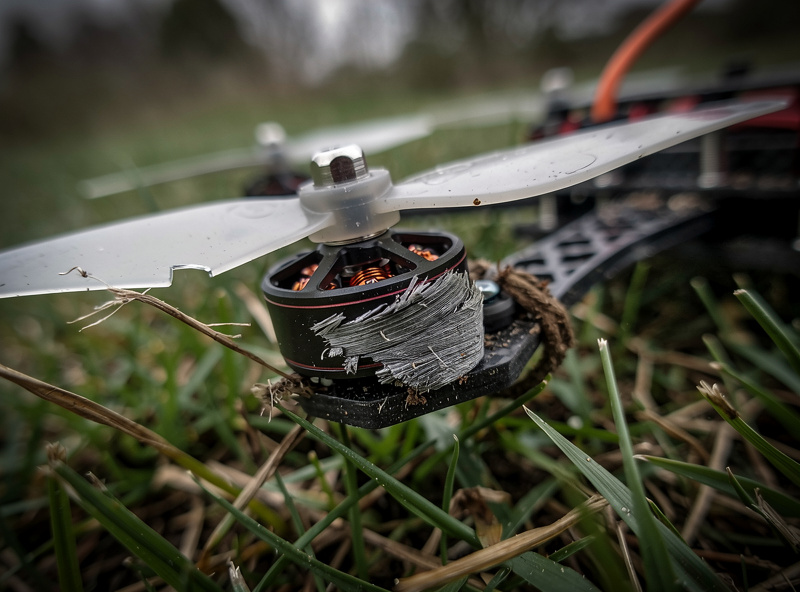
Here’s a counterintuitive one. Beginners often spend big on the drone and cheap on the radio, reasoning that the radio is “just a controller.” It’s exactly backwards. The radio is the one piece of gear that outlasts every quad you’ll own — you crash and replace quads, but the transmitter stays in your hands for years. Buy a cheap throwaway radio and you’ll outgrow its sloppy potentiometer gimbals in weeks, then re-buy. Spend on a good hall-gimbal radio once and you’re set: it flies your sim today and binds to every quad you’ll ever own.
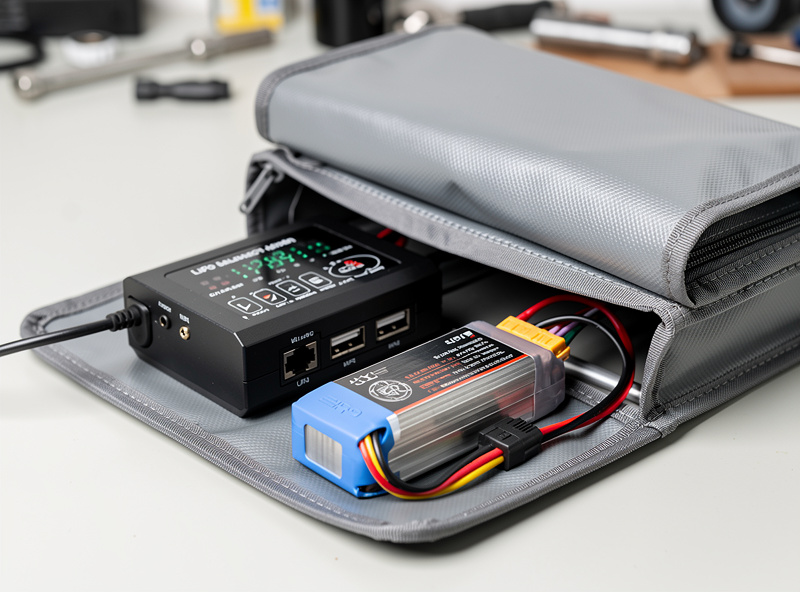
This one isn’t just expensive — it’s the only mistake on the list that’s genuinely a safety issue. Beginners treat LiPo batteries casually: leave them fully charged for weeks, drain them flat, store them loose in a bag, and keep flying a pack that’s started to puff. Every one of those habits degrades the pack and, in the worst case, invites a fire. The care doctrine is simple and never involves opening or modifying a pack: charge on a proper balance charger, store at storage charge, keep them in a LiPo bag, and retire any pack that puffs — no heroics. Build those habits from your first tiny whoop battery and they’ll be automatic by the time you’re flying bigger packs.
Some beginners do buy sensibly, then sabotage themselves by trying to fly full acro outdoors before they’ve built the orientation reflexes. They arm a quad in a mode where it won’t self-level, panic when it flips, and crash. The fix is the whole entry path: build orientation and throttle reflexes in the sim, bed them in on a whoop indoors, then take acro outdoors. The skill has to exist before the stakes go up. Rushing this step is how confident-but-unprepared beginners turn an expensive quad into expensive debris.
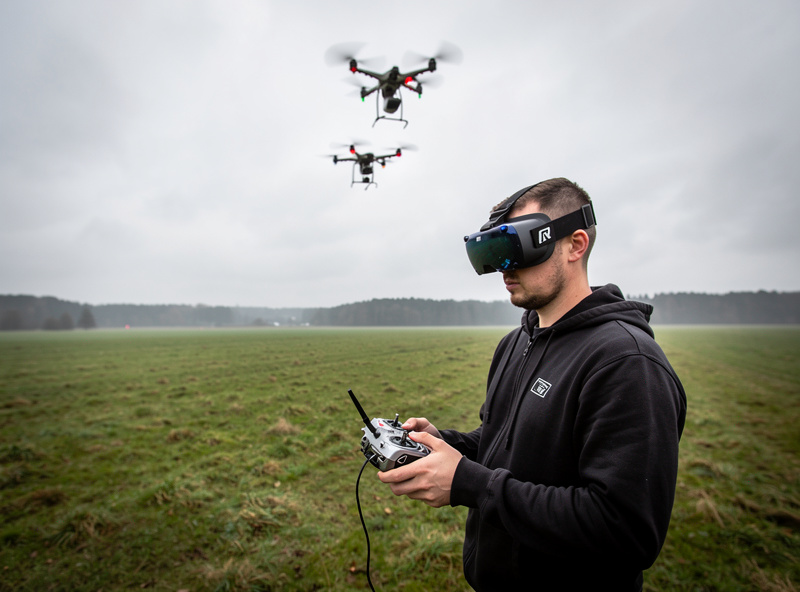
Plenty of beginners never think about regulations until something forces them to. That’s a mistake both because it risks a fine and because it’s genuinely easy to get right. I fly under EU open-category rules administered by EASA: most beginners register as a drone operator, fly in the open category, and respect the A1/A3 subcategory rules about distance from people. The sub-250-gram weight class exists because it sits in the friendliest part of those rules. Wherever you fly, the move is the same — find your national aviation regulator, read the open-category rules for yourself, and fly inside them. If you’re in the US that’s the FAA’s Part 107 framework, which I won’t pretend to advise on as an EU operator; read it from the source. This is the one mistake with consequences beyond your wallet, so don’t skip it.
The final trap is enthusiasm itself: dropping a huge lump sum on a complete kit before you know what you actually want to fly. You end up with goggles you’d have chosen differently, a quad you can’t yet fly, and spares for crashes you haven’t had. The smarter path spends in order — sim, radio, whoop, then goggles and bigger quads as you learn what you like. You’re never throwing money at gear you’ll outgrow in a month, which is the real budget killer. The full ordered path is in my guide to getting into FPV.
The gear that actually saves beginners money. As an Amazon Associate I earn from qualifying purchases. These are category search links, not endorsements of a specific listing.
Notice what unites all seven: none of them are about flying skill, and every one of them is about order. Buy in the wrong order, skip the cheap-skill step, treat batteries casually, rush the stakes, ignore the rules — each is a sequencing error, not a talent problem. That’s genuinely good news, because order is the easiest thing in the world to fix. Get the sequence right and FPV is the most rewarding hobby I’ve ever picked up. Get it wrong and it’s an expensive way to feed trees carbon fiber. The choice, mercifully, is entirely yours.

An FPV simulator is a piece of software that lets you fly a virtual quad…

Ask ten FPV pilots which simulator is best and you’ll get ten answers, half of…
Every few months a message lands in my inbox that reads almost word for word…
Leave a Reply