How to Extend LiPo Battery Life: My Charging Habits
You extend LiPo battery life with a handful of unglamorous habits done every single time:…
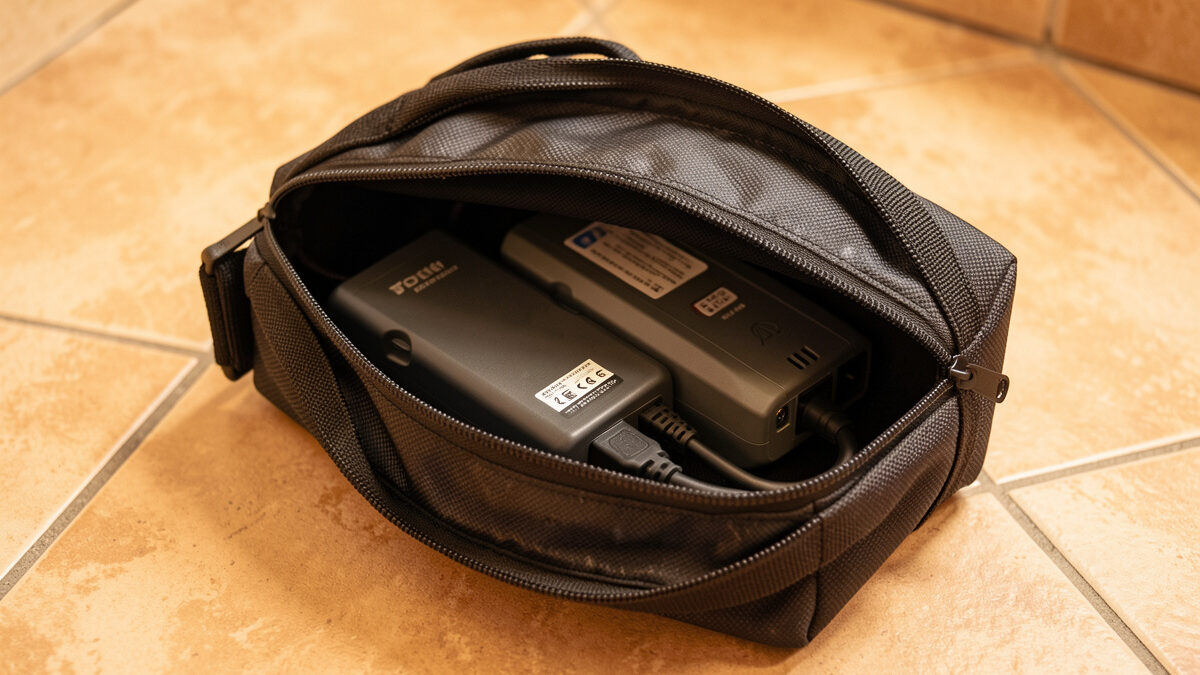
A LiPo safe bag is worth it, but not for the reason the marketing implies. It is a containment layer that buys time and limits damage if a pack fails during charging or storage — not a fireproof force field that makes a LiPo safe to ignore. For a few dollars, a fire-resistant bag or box is cheap insurance, and I use one for every charge. But the bag is the backup; attended charging in a sensible place is the real safety.
I have charged thousands of packs and never had a fire, and I credit that to habits, not to any bag. Still, every one of those charges happened inside a fireproof container, because the one time the habits fail is exactly when you want a barrier in place. This is the honest account of what LiPo safe bags and boxes actually do, what they do not, and how I choose and use mine — care and habit only, with no pack modification anywhere in it.
A LiPo safe bag is a fire-resistant pouch — usually fiberglass-lined — designed to contain the flames, sparks, and hot gas a failing pack throws off. When a LiPo goes into thermal runaway it does not gently fizzle; it vents hot gas and can ignite, and the bag’s job is to keep that event contained long enough to limit the damage to the bag and its immediate surroundings rather than your bench, your floor, or your house.
The key word is contain, not prevent. A bag does nothing to stop a pack failing; it changes what happens after one does. That distinction is everything, because pilots who think the bag makes charging safe relax the habits that actually prevent failures. The bag is the seatbelt, not the brakes — you want both, and you never rely on one to excuse skipping the other.
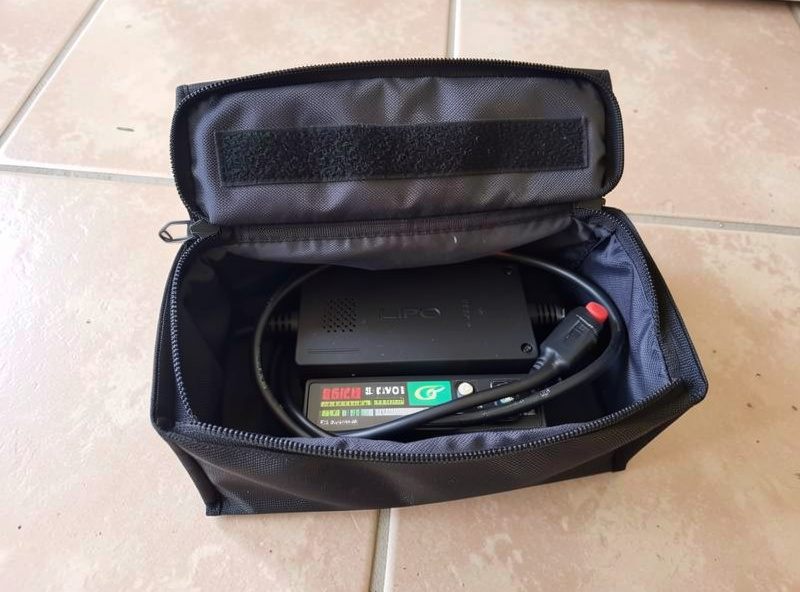
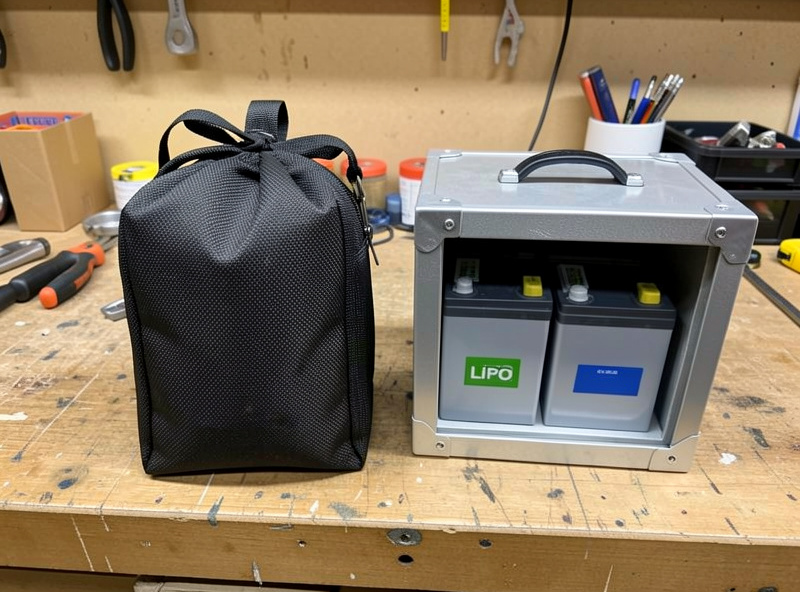
There are two main forms of containment, and I own both. The fiberglass bag is light, cheap, and packs flat, which makes it ideal for travel — it is part of how I pack batteries alongside the rest of my FPV starter kit — and for tucking packs away. The ammo-can-style metal box is heavier and pricier but offers harder physical protection and a more genuinely sealed enclosure, which is what I prefer for charging at home on the bench.
For most pilots starting out, a couple of good bags cover everything: one for charging, one for transport and storage. I moved to a metal box for home charging because it sits permanently on my bench and I never have to think about it, but that is a refinement, not a requirement. A fire-resistant LiPo bag is the sensible first purchase, and a box is a worthwhile upgrade once you are charging often.
As an Amazon Associate I earn from qualifying purchases; the containers I link are the kind I genuinely keep on my own bench.
The bag only earns its keep alongside the habits it is meant to back up. I charge attended — I do not leave a charging pack and walk away, and I never charge overnight while I sleep. I charge on a non-flammable surface, never on carpet or a bare wooden bench. I charge at a sane rate rather than the fastest the pack allows, because heat is what triggers failures. And I storage-charge anything I will not fly soon, because a pack at the right voltage is far less likely to fail in the first place.
Do all of that and a failure becomes rare; add the bag and a rare failure becomes survivable. That is the whole logic. The bag is the last line, not the first, and a pilot who treats it as the first line has the safety priorities exactly backwards. I keep a fireproof storage box within arm’s reach precisely so the good habits and the backup are never separated.
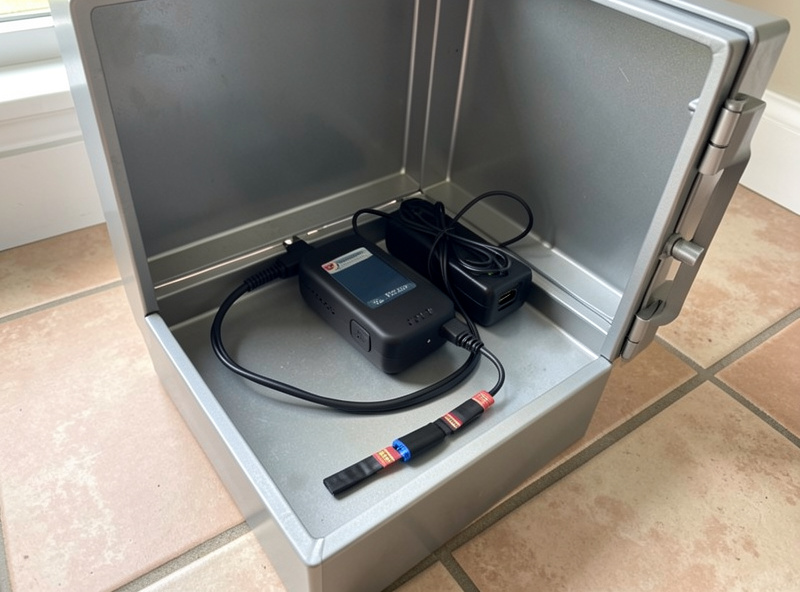
A bag used wrong is barely a bag. The pouch must be closed properly during the charge — the velcro or zip actually fastened, not left gaping with the leads trailing out of a wide-open mouth. The point of the enclosure is to contain a vent event, and an open bag contains nothing. I route the charge leads out neatly and close the bag down around them as far as it will go.
Placement matters too: the bag goes on a hard, non-flammable surface with clear space around it, not jammed against curtains, paper, or a wall. And a bag is not immortal — fiberglass degrades with use and with any actual fire event, so a bag that has contained a failure or shows wear gets replaced. Treating the bag as a consumable safety item, not a permanent fixture, keeps it doing its job. I date mine with a marker the day I start using one, and I retire a charging bag long before it looks worn out — the fiberglass weave loses integrity gradually and invisibly, so I would rather replace a few-dollar bag a season early than discover its limits during an actual vent event. The travel bags last far longer because they rarely see a hot charge; the bench bag is the one I cycle through, and I keep a spare on the shelf so there is never an excuse to keep using a tired one.
I want to be straight about the limits, because the listings rarely are. A bag will not make a charging pack safe to leave unattended overnight — nothing does, and the bag is not an exception. It will not reliably contain the worst-case failure of a large pack indefinitely; it buys time and limits spread, which is genuinely valuable, but it is not a sealed vault. And it does nothing for a damaged pack you keep using — a puffed pack belongs in retirement, not in a bag for one more flight.
The honest summary is that a LiPo safe bag is real, cheap, worthwhile protection that meaningfully changes the outcome of a failure, used correctly and alongside good habits. It is not a substitute for attention, sane charging, storage discipline, and retiring tired packs. Buy one, use it properly every time, and keep the habits that mean it rarely has a job to do — the same calm-not-casual mindset I bring to my whole sub-250 setup.
| Container type | Best for | Strengths | Limits |
|---|---|---|---|
| Fiberglass bag | Travel, storage, light charging | Cheap, light, packs flat | Must be closed; degrades with use |
| Metal ammo-style box | Home bench charging | Hard protection, more sealed | Heavy, pricier, less portable |
| No container | Nothing — avoid | None | A failure goes straight to your bench |
Yes. For a few dollars, a fire-resistant bag or box is cheap insurance that contains a pack failure and limits the damage. The honest caveat is that it is a backup, not a force field: it changes what happens after a failure but does nothing to prevent one. Good charging habits do the prevention.
No. A safe bag does not make unattended or overnight charging acceptable. The bag contains a failure but cannot act on one for you, and the single most important safety habit is being present and able to respond. Always charge attended, regardless of the bag.
A fiberglass bag is light, cheap, and portable, ideal for travel and storage. A metal ammo-style box gives harder physical protection and a more sealed enclosure, which suits home bench charging. Many pilots use bags for transport and a box for charging at home.
Close the bag fully during the charge with only the leads routed out, place it on a hard non-flammable surface with clear space around it, and charge attended. A bag left gaping open contains nothing. Replace any bag that has worn or contained a failure.
No. A safe bag is for containing failures during normal charging and storage, not for nursing a damaged pack along. A puffed pack is at the end of its life and should be safely discharged and recycled, never kept in service in a bag for extra flights.

You extend LiPo battery life with a handful of unglamorous habits done every single time:…
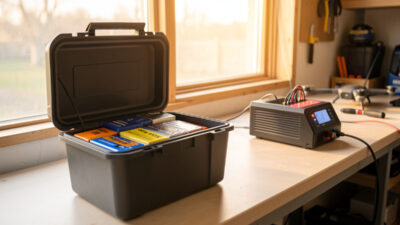
LiPo battery care comes down to four habits done consistently: charge to a storage voltage…

LiPo batteries behave noticeably worse in cold weather: a pack that gives a full, punchy…
Leave a Reply