LiPo Balance Charging Explained: Why I Never Skip It
Balance charging means the charger monitors and equalises every cell in a multi-cell LiPo individually,…
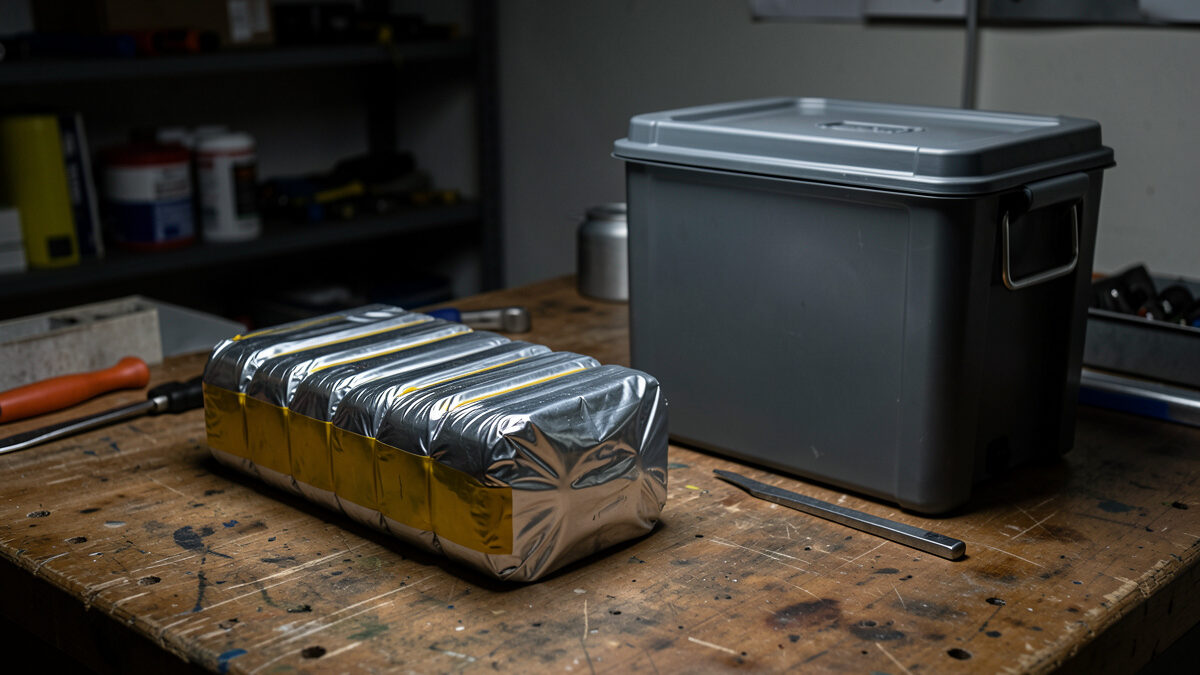
A puffed LiPo is a dead LiPo, and the only correct response is retirement — no heroics, no recovery attempts, no “one more flight.” Puffing means the pack has swelled because gas has built up inside the pouch, which signals that the cell chemistry has degraded irreversibly. A swollen pack performs worse and is more dangerous than a healthy one, and it does not get better. This is exactly what to do with a puffed LiPo, calmly and safely, and why every shortcut you have read about is wrong.
I retire packs without hesitation and without regret, because I have seen what trying to save a tired pack actually buys: nothing but risk. A LiPo is a consumable; retiring one is as normal a part of the hobby as charging it. This is the no-drama version of pack retirement from someone who treats it as routine — care and disposal only, with absolutely no opening, deflating, or modifying a pack anywhere in it, because those things are dangerous and are never part of responsible battery care.
Puffing is the pouch swelling as gas forms inside the cell, and it is the clearest visible signal a LiPo gives that it has reached the end. The gas is a byproduct of the chemistry breaking down, and once it appears, the damage is done and permanent. A pack that puffs is not malfunctioning temporarily; it is telling you, unmistakably, that its useful life is over.
The swelling can be dramatic — a pack ballooning to obvious roundness — or subtle, a pack that no longer sits quite flat or feels slightly firm under gentle finger pressure. Either way the verdict is the same. There is no degree of puffing that is acceptable to keep flying, and a pack that has puffed even a little will only get worse, never better. The moment you confirm puffing, that pack is retired.
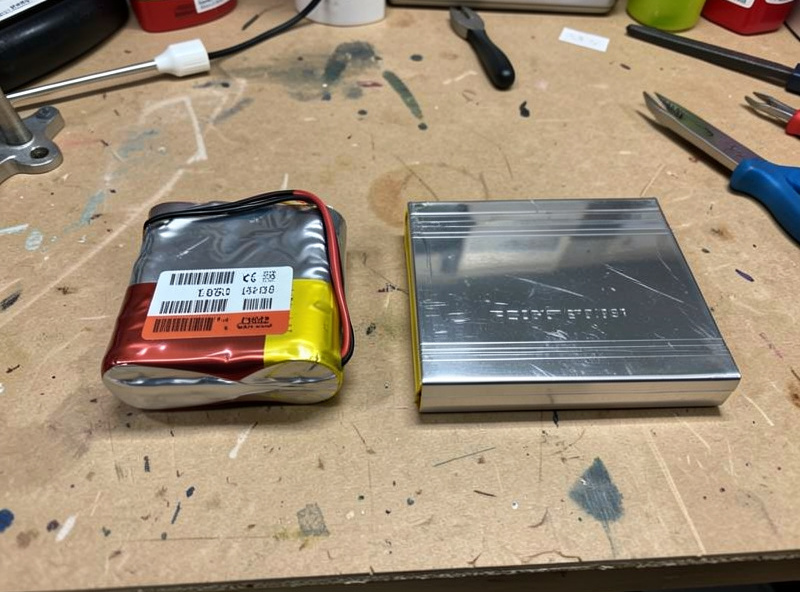
Not every pack that worries you is puffed, and it is worth knowing the difference so you neither fly a failing pack nor bin a healthy one. A healthy pack sits flat, holds its resting voltage near storage level over time, and shows cells that stay matched when you charge it. A pack that is simply flat from use is fine — flat is a state of charge, not a state of health, and a storage charge brings it right back.
A genuinely failing pack shows the warning signs: visible swelling, a cell that consistently lags far behind the others, a pack that gets unusually hot in normal use, voltage that sags hard under load when it never used to, or a pack that will not hold its resting voltage. Any one of those, and especially any swelling at all, moves a pack from service to retirement. When in doubt, I retire — a pack is cheap, and the downside of being wrong in the other direction is not.
Retirement has two steps: discharge the pack to a safe low state, then dispose of it properly. The discharge matters because a pack going into the waste stream with energy still in it is a fire risk, and a damaged pack with charge is the worst combination. Many chargers have a discharge function for exactly this, bringing the pack down to a low, stable voltage so it carries far less energy.
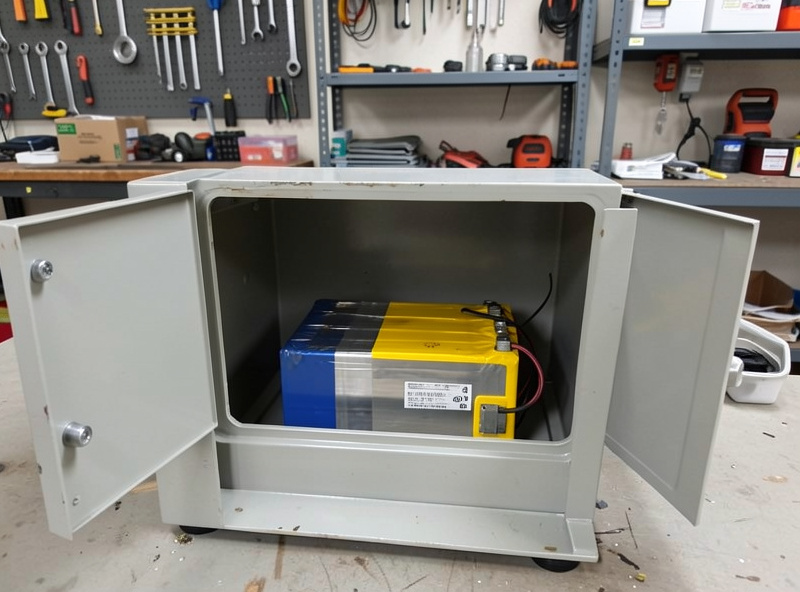
For a pack that is still intact enough to handle normally, a slow, controlled discharge is the clean way to do it. For a pack that is visibly damaged, the priority shifts entirely to keeping it contained and getting it to proper disposal without further handling — it goes into a fireproof container and stays there until it can be recycled. At no point does retirement involve opening the pack, puncturing it, or any attempt to “fix” the swelling, all of which are genuinely dangerous and serve no purpose.
A retired LiPo never goes in the household rubbish, where a damaged cell can start a fire in a bin lorry or a landfill. Lithium batteries belong in proper battery recycling, and most regions have collection points — many electronics retailers, recycling centres, and hobby shops accept them. The pack should be at a low charge and, where the terminals are exposed, taped off to prevent any short during handling.
Check your local rules, because lithium battery disposal is handled differently in different places and the right route is the one your region specifies. The principle is universal even where the details vary: a LiPo is recycled through a dedicated channel, never binned, and never stored indefinitely in a “to deal with later” pile. Retire it, discharge it, contain it, and route it to recycling promptly. That is the whole job, and it is genuinely simple once you treat it as routine.
One small habit makes the disposal step painless: I keep a dedicated retirement container — a separate fireproof box — so a failed pack has somewhere safe to go the instant I pull it from service, rather than rattling around loose while I figure out a plan. When that box has a couple of packs in it, they make one trip to the recycling point together. The point is that retirement never becomes a pile of dead batteries in a drawer, because that pile is precisely the fire hazard the whole routine exists to avoid.
Understanding why packs puff is the best way to make retirement a rare event. The big causes are all things the core care habits prevent: leaving a pack stored full at 4.2V per cell for long stretches, over-discharging a pack below its safe floor, charging or heavily loading a cold pack, physical damage from a crash or a careless knock, and simply old age after many hard cycles. Heat ties most of them together — heat is what accelerates the chemistry breaking down.
This is why a pilot with good habits sees puffing far less often than one without. Storage charging keeps packs out of the high-voltage stress that swells them. Balance charging stops a single cell being quietly overcharged into failure. Landing with a reserve avoids the over-discharge that kills cells. Gentle charge rates and letting packs cool keep heat down. None of it makes a pack immortal — every LiPo eventually wears out — but it pushes the day a pack puffs from “months” out to “seasons,” which is exactly the payoff the habits exist for.
The one cause habits cannot fully prevent is a hard crash, and crashes happen to everyone — they are one of the beginner realities of the hobby — because impact damage to a pack is a genuine retirement trigger even if the pack looks intact afterward. A pack that has taken a serious hit gets watched closely and retired at the first hint of swelling, heat, or voltage trouble. Physical trauma to a LiPo is one of those cases where caution costs almost nothing and the alternative costs a great deal.
When a pack reaches the end, I run the same short sequence every time. It removes all the guesswork and all the temptation to do something clever, which is exactly what you want when handling a battery that has failed.
There is a corner of the internet full of tricks for “reviving” or “saving” tired LiPos, and I want to be blunt: ignore all of it. A pack that has puffed or genuinely failed is at the end of its chemistry, and nothing safely brings it back. The attempts to do so range from pointless to actively dangerous, and the few dollars a replacement pack costs is never worth the risk of nursing a failing one.
Treating retirement as normal is the whole mindset. A pilot who retires packs the moment they fail never has the incident that the pilot chasing one more flight eventually does. I have retired plenty of packs and I have never once wished I had tried to save one. The pack is a consumable; your bench, your aircraft, and your home are not. Retire early, retire often, and never let a tired battery talk you into a shortcut. It is the same adult-about-the-risk attitude that runs through everything I fly.
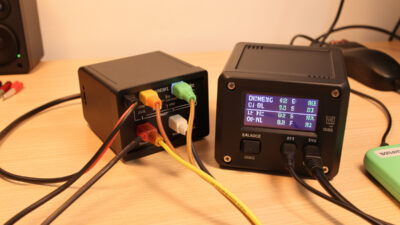
Balance charging means the charger monitors and equalises every cell in a multi-cell LiPo individually,…

You extend LiPo battery life with a handful of unglamorous habits done every single time:…

LiPo battery care comes down to four habits done consistently: charge to a storage voltage…
Leave a Reply