EU Drone Regulations: The Complete Guide for Pilots
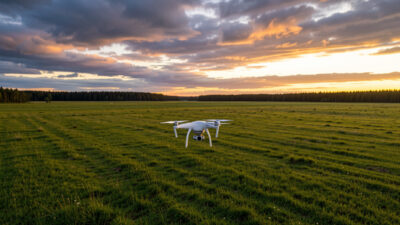
The EU drone rules all flow from one rulebook: Regulation (EU) 2019/947, administered by EASA…
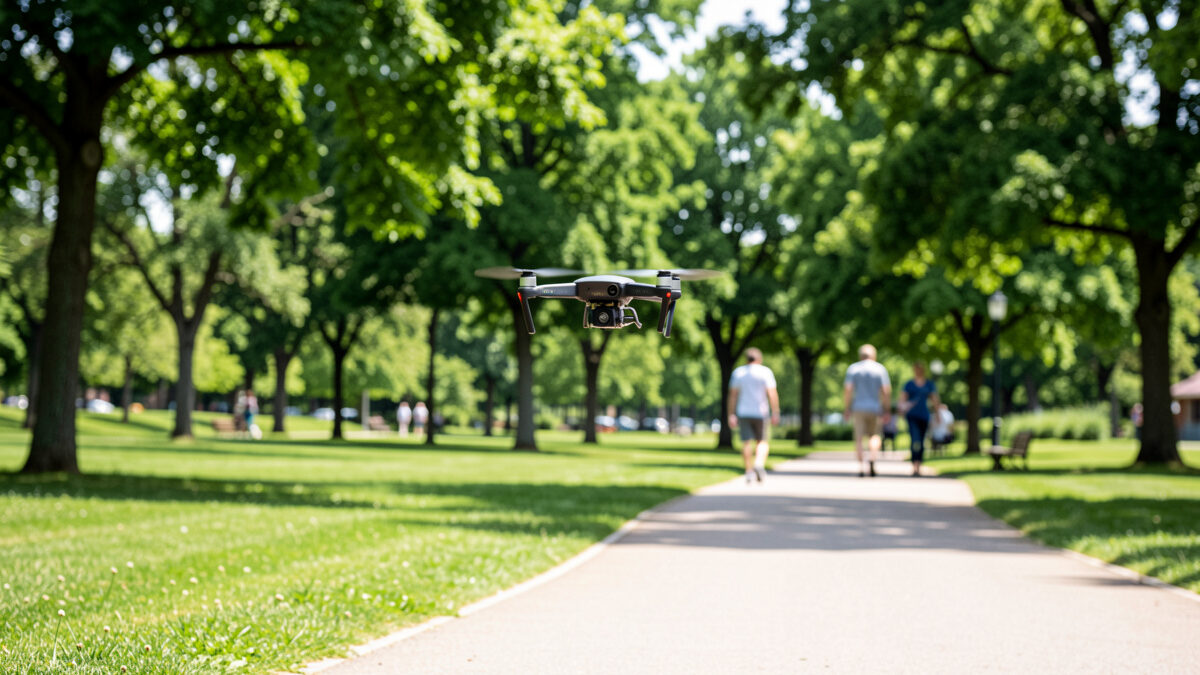
The EU Open category splits into three subcategories — A1, A2 and A3 — and they are all about one thing: how close you are allowed to fly to people who are not part of your flight. A1 lets you fly over people, A2 lets you fly close to them with a 30-metre buffer, and A3 keeps you far from everyone, at least 150 m from built-up areas. Which one you can use depends on your drone’s weight and class mark, not on a licence you hold.
This is the distinction I wish someone had drawn for me in a single sentence when I started. Once you stop thinking of A1/A2/A3 as “beginner, intermediate, advanced” and start thinking of them as “over people, near people, away from people,” the whole Open category clicks into place. This guide is the long version of that sentence, and every rule here traces back to EASA’s Open category material under Regulation (EU) 2019/947. Regulations shift, so confirm the current thresholds with EASA and your national authority before you fly.
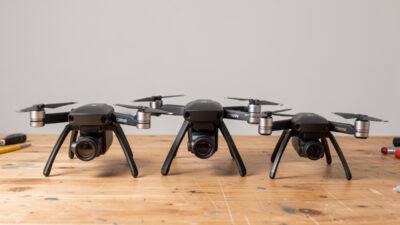
A1 is the friendliest subcategory and where my sub-250 lives. In A1 you may fly over uninvolved people, but you must never fly over assemblies of people — crowds, festivals, packed beaches — under any circumstances. The drones allowed here are the lightest ones: class C0 (under 250 g) and class C1 (under 900 g), plus legacy drones under 250 g with no class mark. With a C1 you should still avoid deliberately hovering over people even though brief overflight is tolerated.
The reason A1 allows overflight is simple physics: a 249-gram drone falling from height carries far less energy than a two-kilo machine, so the harm if it drops is lower. That is the entire logic of the sub-250g weight class, and it is why a featherweight camera drone gives you the most legal freedom near people. If you mostly fly where there are passers-by — parks, towns, the edges of events — a C0 drone in A1 is the path of least friction.
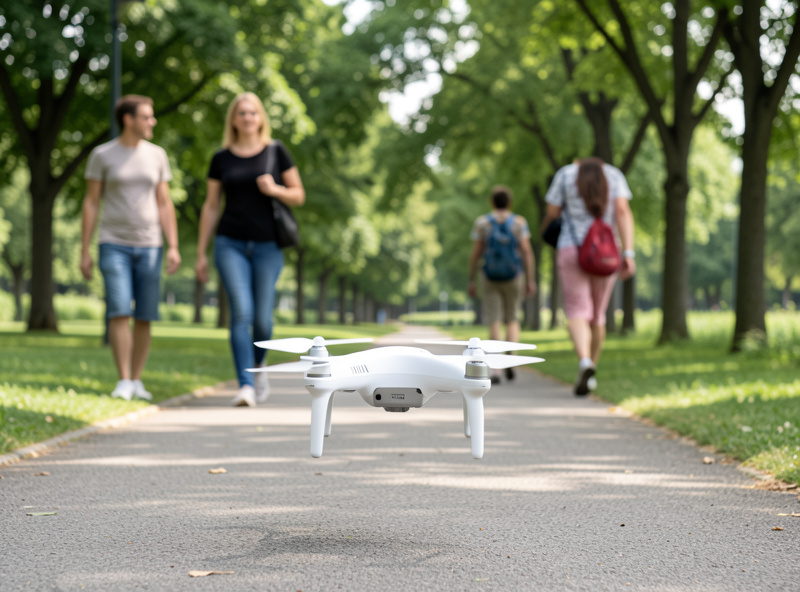
A2 is the middle ground, built for heavier drones that still need to work near people. The headline rule is a 30-metre horizontal distance from uninvolved people, which drops to 5 metres if your drone has a low-speed mode and you switch it on. A2 is the home of the C2 class — drones under 4 kg — and it is the only subcategory that asks for the extra A2 certificate of remote pilot competency rather than just the basic online training.
That 5-metre low-speed allowance is genuinely useful: it lets a capable camera drone work a scene without needing a whole stadium of clearance, as long as you slow it right down. But A2 is also where pilots most often misjudge distance, because 30 metres looks shorter from behind the sticks than it is on the ground. I covered the full set of distances and what counts as “uninvolved” in the flying near people guide, and the class detail in the class marks explainer.
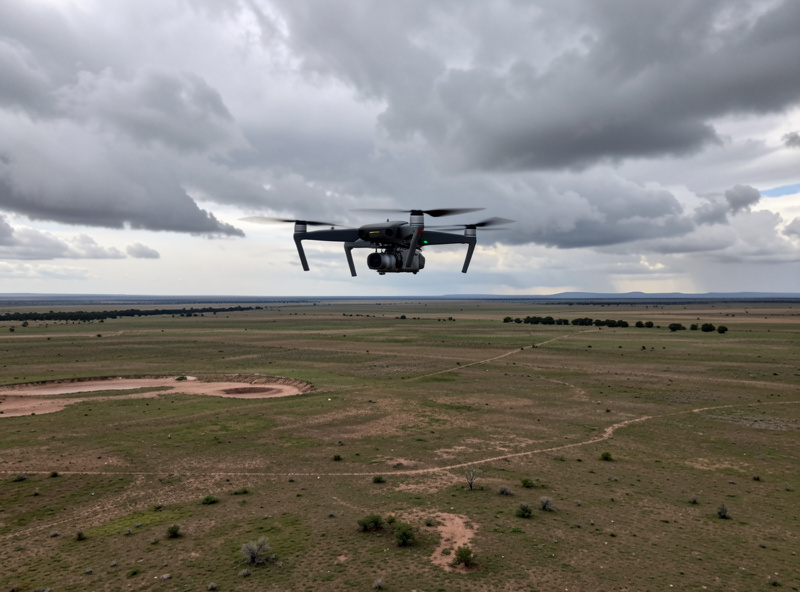
A3 is the wide-open-spaces subcategory, and despite the name it is not the “advanced” tier — it is the most restrictive about location and the least restrictive about your drone. In A3 there must be no uninvolved people present and you must stay at least 150 metres from residential, commercial, industrial and recreational areas. In exchange, A3 accepts the heaviest Open-category drones: C2, C3 and C4, plus legacy drones up to 25 kg with no class mark.
If you fly an older heavy drone without a class mark, A3 is very likely your only legal option, which is why that field two kilometres from anywhere matters so much. I fly my heavier camera drone in A3 when I want the empty Swedish landscape anyway, so the restriction and the shot often line up. The trade is straightforward: A3 gives you the most drone for the least proximity to people.
The subcategory you can use is not a free choice — it is dictated by the drone in your hands. A C0 sub-250 can fly A1 and, of course, A3. A C2 can fly A2 (with the certificate) and A3. A legacy 1.5-kg drone with no class mark is A3-only. So before any flight the question is not “which subcategory do I want,” it is “which subcategories is this specific aircraft allowed in, and which of those fits where I am standing.” Match the drone to the place, every time.
This is why I keep a mental note of each of my drones’ legal envelopes the same way I keep track of their battery counts. The sub-250 is my “anywhere near people” tool; the heavier rig is my “empty landscape” tool. Knowing which is which before I leave the house saves me from arriving somewhere and realising the only drone in my bag cannot legally fly there.
| Subcategory | Means | Distance to uninvolved people | Drone classes |
|---|---|---|---|
| A1 | Over people | Overflight allowed; never over assemblies | C0, C1, legacy under 250 g |
| A2 | Close to people | 30 m, or 5 m in low-speed mode | C2 |
| A3 | Far from people | No uninvolved people; 150 m from built-up areas | C2, C3, C4, legacy up to 25 kg |
A1 and A3 share the same entry requirement: free online training plus a 40-question theory exam through your national aviation authority, giving you a proof of completion. A2 adds a separate theoretical exam and a declared period of practical self-training, earning the A2 certificate of remote pilot competency. There is no in-person flight test for Open-category recreational flying — the competency is theory plus honest self-practice.
Do the A1/A3 test properly even though it is easy, because the questions are the situations that actually catch pilots out. And remember the operator side runs in parallel: you also register as an operator and put your number on the drone. The registration guide and the operator ID explainer cover that half, while this guide is purely about where you may fly.
The rules only matter at the moment you are standing somewhere deciding whether to arm. Here is the mental sequence I run. First, who is here — anyone not part of my flight is uninvolved, including the dog-walker who just appeared. Second, what am I holding — the sub-250 opens A1, the heavier rig without the right class mark forces A3. Third, does the place match the subcategory my drone allows — is there genuinely no one around for A3, or am I kidding myself because the path looks empty until someone rounds the corner?
That third question is where honesty matters. A3 is not “there are only a few people,” it is “there are no uninvolved people and I am 150 m from anything built-up.” If I cannot say that truthfully, A3 is off the table and I either switch to the sub-250 for A1 or pick a different spot. The subcategory is a promise about reality, not an aspiration, and treating it loosely is exactly how a pleasant afternoon turns into a complaint to the authority. When the answer is genuinely unclear, I default to the most conservative option and the lightest drone — the same instinct that keeps me checking a LiPo before I trust it.
A1 lets you fly over uninvolved people but never over assemblies. A2 lets you fly close to people with a 30-metre buffer, reducible to 5 metres in low-speed mode. A3 keeps you far from people, with no uninvolved people present and 150 metres from built-up areas. Confirm the current rules at EASA.
A C0 drone under 250 grams can fly in subcategory A1, meaning over uninvolved people but never over assemblies, and it can also fly in A3. This is the broadest legal freedom near people, which is why the sub-250g weight class is so popular for camera drones.
No. A1 and A3 only require the free online training and the 40-question theory exam. The separate A2 certificate of remote pilot competency, which adds a further exam and declared practical training, is only needed to fly in subcategory A2 close to people with a C2 drone.
Only if it weighs under 250 grams. Legacy drones with no class mark fly in A1 when under 250 grams, but from 250 grams up to 25 kilograms they are restricted to A3, far from people. A class mark is what unlocks A2 and broader A1 use for heavier drones.
An assembly is a crowd dense enough that an individual could not move freely to avoid a falling drone, such as a concert, demonstration or packed beach. Flying over assemblies is prohibited in every subcategory with every class of drone. EASA treats this as an absolute limit, not a judgement call.
The subcategories are one piece of the EU picture. Start from the EU drone regulations hub for the full map, then dig into the class marks that decide which subcategory your drone qualifies for, the distance rules in detail, and the geographical zones that can override all of it. For the weight-class background, see why 250 grams matters.
The EU drone rules all flow from one rulebook: Regulation (EU) 2019/947, administered by EASA…
The little C-class label on a new EU drone — C0, C1, C2 and so…
Leave a Reply