Best FPV Camera for Freestyle: My Picks and the Why
The best FPV camera for freestyle is the one with the widest dynamic range and…
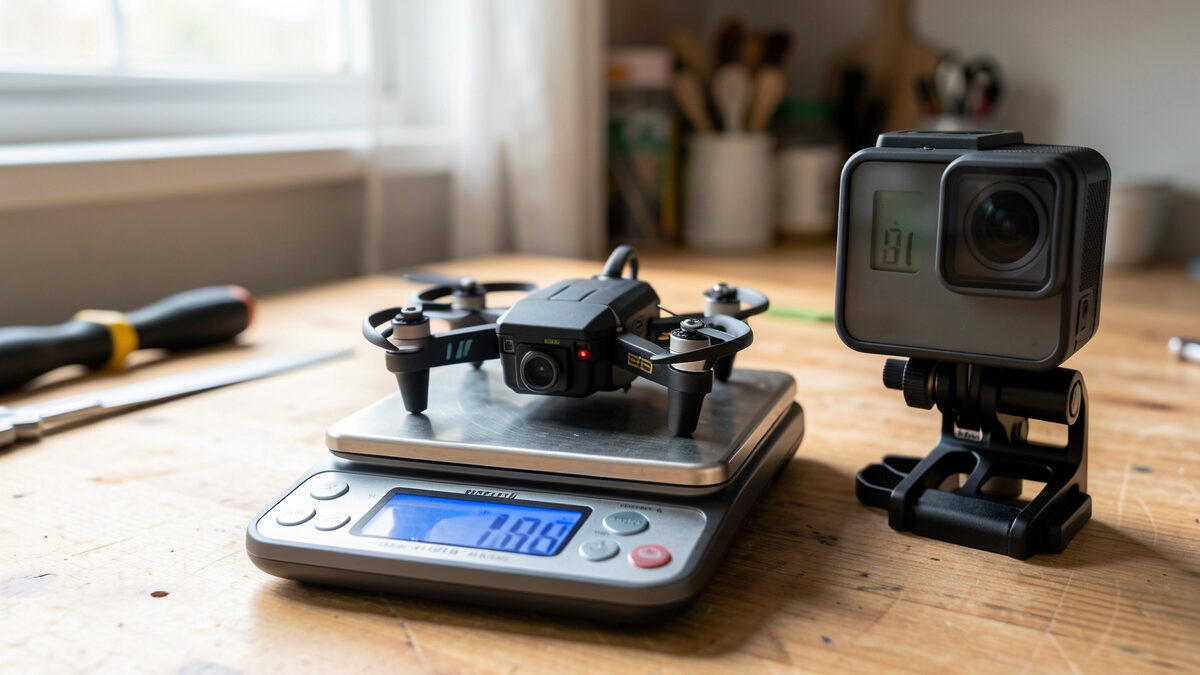
Camera weight and FPV drone performance are tied together by simple physics: every gram of camera you add shortens flight time, slows the quad’s response, raises current draw on the battery, and on a sub-250 build can push you over the 250g line into a stricter rulebook. On a small quad the tax is brutal — a handful of grams at the nose changes how the whole aircraft flies. Pick the lightest camera that meets your image floor, not the heaviest your quad can technically lift.
I have felt this trade-off in the sticks more times than I can count: watched an action-cam swap drop a cinewhoop’s flight time by roughly a third, and watched a few grams of extra camera turn a snappy freestyle quad into a sluggish one. This is the spec people ignore until their quad flies worse than the spec sheet promised. For the wider picture of how cameras fit each kind of drone, the drone camera guide is the map; this piece is the physics behind the choice.
Camera mass does not just slow the quad in one way — it taxes four things at once. Flight time drops because the motors work harder to hold the extra weight aloft, draining the pack faster. Agility drops because more mass means more inertia, so the quad is slower to flip, snap, and change direction. Current draw rises, which stresses your battery and shortens its life over time. And total weight can cross a regulatory threshold, turning a free-to-fly drone into a registered one.
The most underrated of these is agility. A heavier camera high or far from the center of mass acts like a weight on the end of a lever, making the quad feel reluctant and vague exactly when you want it sharp. This is why where you mount the camera matters almost as much as how much it weighs — low and centered preserves the handling, high and forward wrecks it.
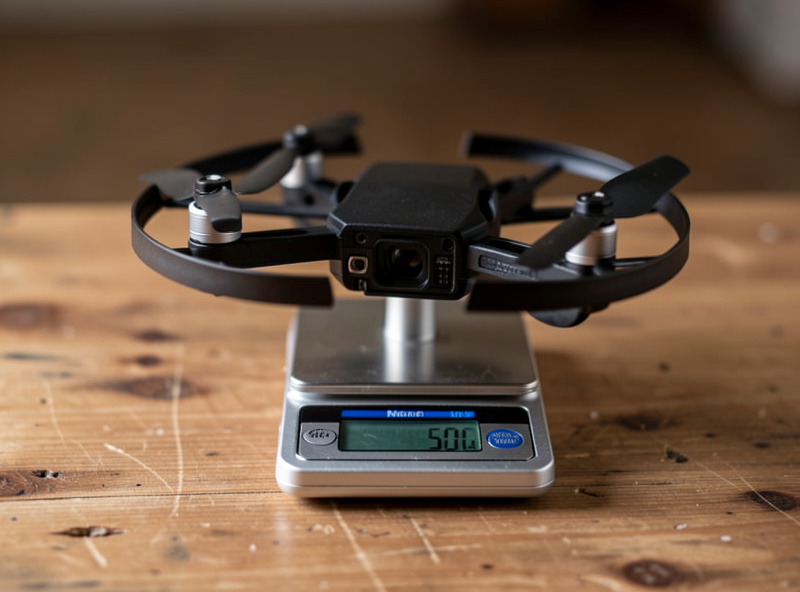
The most consequential weight threshold in the whole hobby is 250 grams. Stay under it and you fly under the lightest rules in the EU open category — the logic behind why that line exists is in the sub-250g drone guide. Add a heavier camera or a bigger sensor and you can cross that line, which is exactly why camera choice on a sub-250 build is also a regulatory choice. The official EASA civil drones rules define the open-category weight classes I fly under. A few grams of extra glass can move you from one rulebook to another.
This is the trap people fall into when they upgrade the camera on a sub-250 drone without weighing the result. The sensor jump looks worth it on paper until you realize it pushed the all-up weight past 250g and changed your legal obligations. Always weigh the finished build, camera and mount included, against the threshold you are trying to stay under. The reasoning behind the 250-gram line makes the stakes clear.
| Build Type | Weight Sensitivity | What Camera Weight Costs | Mounting Priority |
|---|---|---|---|
| Sub-250 camera drone | Extreme | Can cross the 250g rule line | Fixed gimbal — weigh the build |
| Tinywhoop | Very high | Flight time and indoor agility | Tiny cam only, low and centered |
| Cinewhoop | High | ~1/3 flight time on a heavy cam | Action cam low, near center |
| 5-inch freestyle | Moderate | Snap and rotation feel | Light cam, steep tilt, centered |
| Long-range | Moderate | Efficiency and range | Balance image vs endurance |
Flight time is where camera weight hits you in the most obvious way. On a cinewhoop, swapping from no camera to a full action camera and mount can cut your hover and cruise time by roughly a third, because the motors are now lifting more mass for the same battery. On a freestyle quad the percentage is smaller but still real. The honest rule I fly by: if you add camera weight, expect less time in the air and plan your packs accordingly. The relationship between current draw and pack health is exactly why LiPo care matters more on a camera-laden quad.
There is a balance point. A camera light enough to barely dent flight time but too small to get the shot is a false economy; a camera so heavy the quad flies for three minutes is the opposite mistake. I aim for the lightest camera that clears my image floor, then accept the flight-time cost that comes with it — eyes open, not surprised.
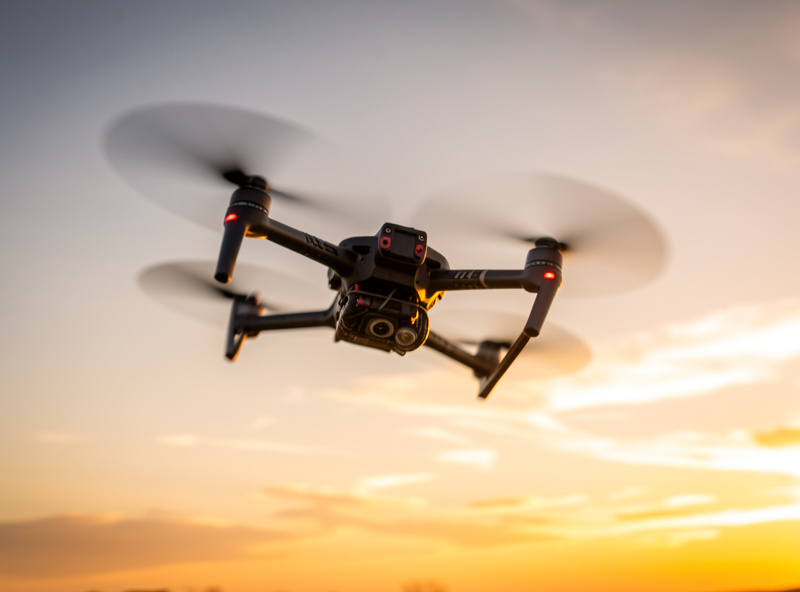
Beyond flight time, camera weight changes the character of the quad. Add mass and the quad develops more inertia — it carries momentum into and out of every maneuver, which can feel either planted or sluggish depending on your flying. For cinematic work a little extra mass can actually help, smoothing the quad’s motion the way a heavier camera rig smooths a handheld shot. For sharp freestyle, the same mass dulls the snap you want. The right amount of camera weight depends on what you are flying for.
Where you put the weight matters as much as how much there is. A camera mounted low and close to the center of mass barely disturbs the handling; the same camera mounted high and forward turns a responsive quad vague. This is the practical reason the action cam mounting guide insists on mounting low and centered — it is not just about vibration, it is about preserving the agility you built the quad to have.
On a long-range build the weight math flips from agility to efficiency. Here the camera’s mass costs you range and endurance rather than snap, because every extra gram is more energy the quad burns to stay airborne over a long cruise. A long-range pilot chasing maximum distance treats camera weight the way a touring cyclist treats luggage — ruthlessly, because it compounds over every minute of flight. The same action camera that barely matters on a two-minute freestyle pack becomes a real range penalty on a fifteen-minute cruise.
This is why long-range and cinematic priorities pull in opposite directions. The cinematic pilot may accept a heavier camera for the image; the long-range pilot strips weight to extend the mission. There is no universal right answer — there is only the answer that matches what that specific quad is built to do. When I set up a long-range quad I weigh the camera against the range I actually need, and I have left the heavier camera on the bench more than once when the mission was distance rather than footage.
The practical discipline is simple: weigh everything before you commit. Put the bare quad on a scale, then the camera, then the mount, and add it up against the threshold or flight-time target you care about. A small digital scale is one of the cheapest, most useful tools on my bench precisely because it turns a vague worry into a number I can decide on. Guessing camera weight is how people accidentally cross the 250-gram line or end up with a quad that flies half as long as they expected.
Budget the weight the way you would budget money. Decide how many grams you can spend before performance or legality breaks, then spend those grams where they buy the most image. A camera is the obvious line item, but the mount, the protective frame, and any added damping all draw from the same budget. I have shaved grams off a mount to afford a slightly better camera within the same all-up weight — the budget is fixed, the choices inside it are yours. Treat weight as a currency and the whole camera decision gets clearer.
My whole approach to camera weight reduces to one rule: define the minimum image quality the shot needs, then pick the lightest camera that clears it. Not the best camera, not the heaviest the quad can lift — the lightest one that gets the shot. That rule keeps flight time up, handling sharp, batteries healthier, and a sub-250 build legal. Everything heavier than that floor is weight you are carrying for no benefit your footage will show.
If you are still choosing between camera systems, weigh the candidates before you weigh their specs. A camera that looks marginally better on paper but flies your quad worse is the wrong choice for a drone, full stop. The cinematic drone camera guide and the best FPV camera for freestyle breakdowns both bake this weight logic into their picks, because on a flying machine, the gram tax is never optional — it is just a question of whether you paid attention to it before you bolted the camera on or after your first short, sluggish flight.
The best FPV camera for freestyle is the one with the widest dynamic range and…
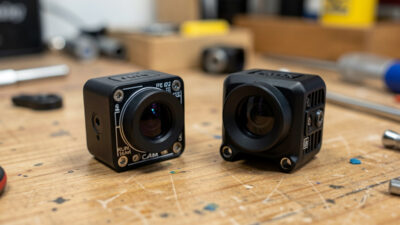
RunCam vs Caddx is the FPV camera question I get asked most, and the honest…
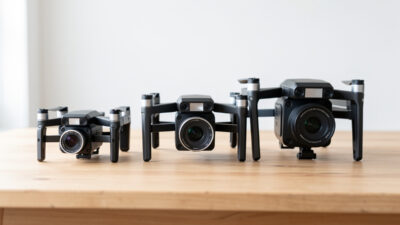
DJI drone camera quality climbs in real steps from the Mini class to the Air…
Leave a Reply