The FPV Motor Selection Guide: Pick the Right Quad Motor
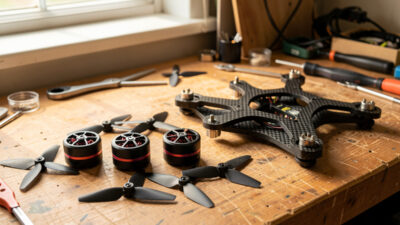
Choosing an FPV motor comes down to three numbers and one honest question. The numbers…
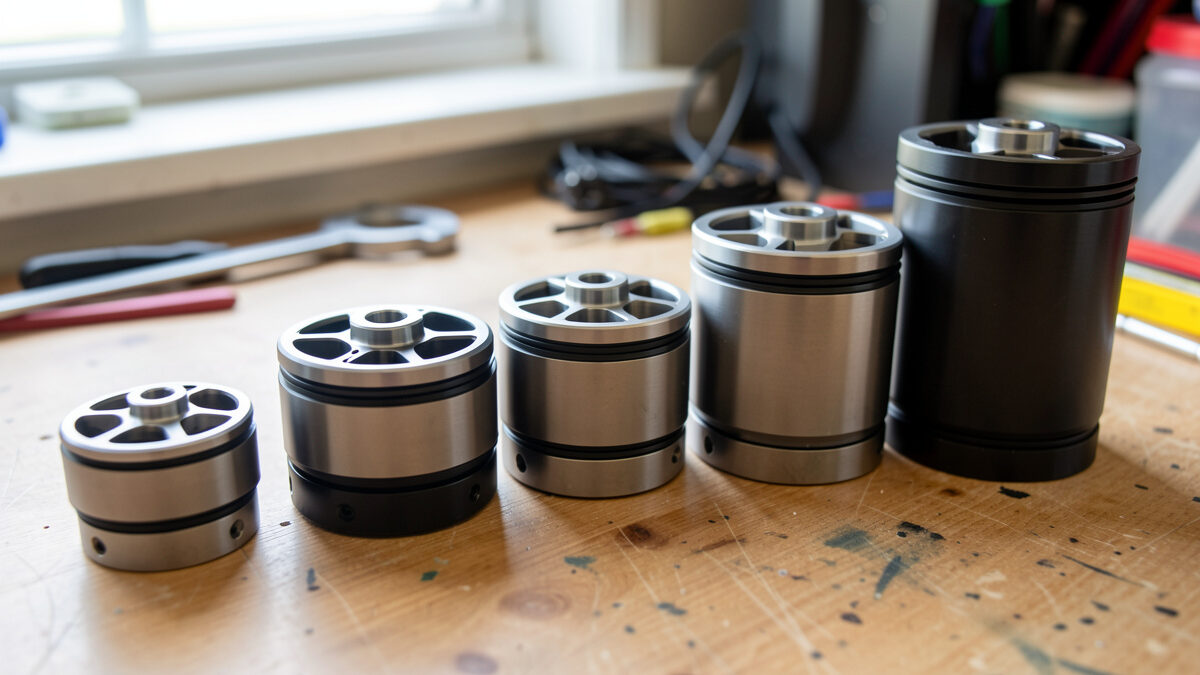
Stator size is the four-digit number on every FPV motor — 2207, 2306, 1404 — and it is the spec that actually sets a motor’s power class. The first two digits are the stator’s width in millimetres, the last two its height. A 2207 motor has a stator 22mm wide and 7mm tall. Bigger stator, more torque and thrust; the right size for your quad matters far more than the KV everyone obsesses over.
On my bench, stator size is the very first motor decision I make for a build, before KV, before brand, before anything. It is the engine displacement of the motor, and like displacement it cannot be faked with a fancy number elsewhere on the spec sheet. Here is how to read it and how to choose it.
The format is width then height, both in millimetres, padded to two digits each. So 2207 is 22mm wide by 7mm tall, 2306 is 23mm wide by 6mm tall, and 1404 is 14mm wide by 4mm tall. Width is the diameter of the stator; height is how tall that stack of laminations and copper is. Both matter, but they do different jobs.
A wider stator gives more leverage and tends to produce torque more smoothly, which generally favours a snappy, responsive feel. A taller stator packs in more copper and iron for more raw power and top-end. That is the heart of the endless 2207-versus-2306 argument: the 2306 is wider and shorter, the 2207 narrower and taller, and they make similar power with a slightly different character. Neither is wrong. I have flown both on 5-inch builds and the difference is real but subtle — tuning and prop choice swamp it for most pilots.
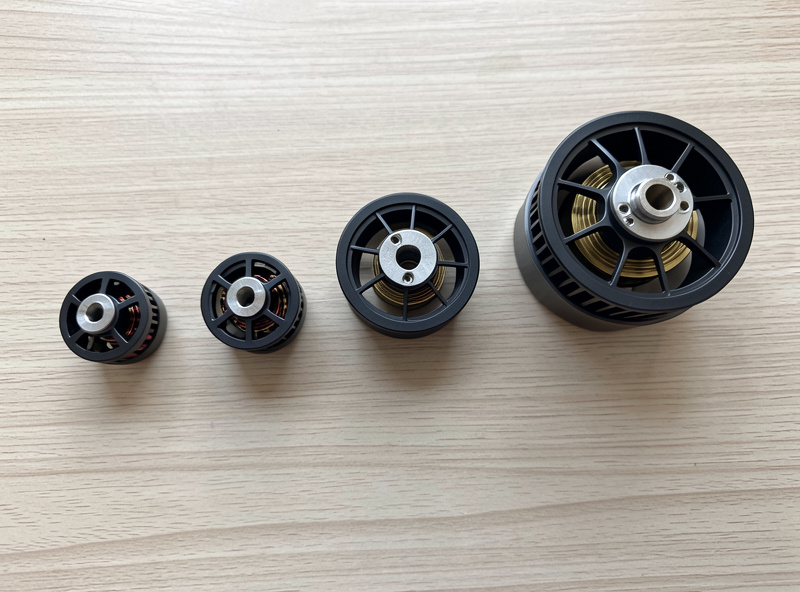
A stator is an electromagnet, and its size sets how much magnetic force it can make. More stator volume means more copper windings and more iron to carry the magnetic field, so a bigger stator can push a bigger prop harder without running out of torque. That is why you cannot simply put a high KV number on a small motor and expect 5-inch performance — the small stator physically cannot make the force.
The flip side is weight and current. A bigger stator weighs more and can pull more current, so oversizing wastes flight time and pack capacity on a quad that does not need it. The skill is matching the stator to the prop the quad will actually spin. A 5-inch prop on 6S needs a 22xx-class stator to drive it efficiently; put that same prop on a 1507 and the little motor lives at the edge of its torque, overheats, and dies young. Heat is the symptom of an undersized stator, and it is the thing I watch for with the back-of-the-hand test after every flight.
This is the map I use. Read it as a starting point keyed to prop size, because the prop is what the stator has to drive.
| Stator size | Quad / prop | Cell count | Character |
|---|---|---|---|
| 0802–0803 | Tinywhoop, 31–40mm | 1S | Tiny, indoor, learning |
| 1404 | Toothpick / 3-inch | 3S–4S | Light, efficient micro |
| 1507 | Cinewhoop 3.5-inch | 4S | Torquey for the size, lifts cameras |
| 2207 | 5-inch freestyle | 6S | The all-round default |
| 2306 | 5-inch race/freestyle | 6S | Snappy, responsive |
| 2806.5–2807 | 7-inch long-range | 6S | Tall, efficient cruiser |
Notice the height digit creeping up on the long-range motors — the 2806.5 is a tall stator built for efficiency, spinning a big low-pitch prop slowly. That is a different job from the punchy 2306, even though both are “big” motors.
This is the argument that never dies in build threads, so here is my honest take from flying both. The 2306 (wider, shorter) tends to feel slightly snappier and is often happy with a touch more prop. The 2207 (narrower, taller) tends to feel a hair smoother and slightly more efficient. The real-world gap is small — smaller than the difference a prop change or a tune makes.
For a first build I would not lose sleep over it; pick whichever a reputable brand — T-Motor or iFlight, say — sells in the KV you want, in good stock, with spares available. If you are chasing a specific feel after a hundred packs of experience, then the distinction starts to matter and you will have your own opinion anyway. The bigger lever by far is getting the stator class right for your quad, then matching KV and prop. Those live in the KV guide and the motor and prop matching guide.
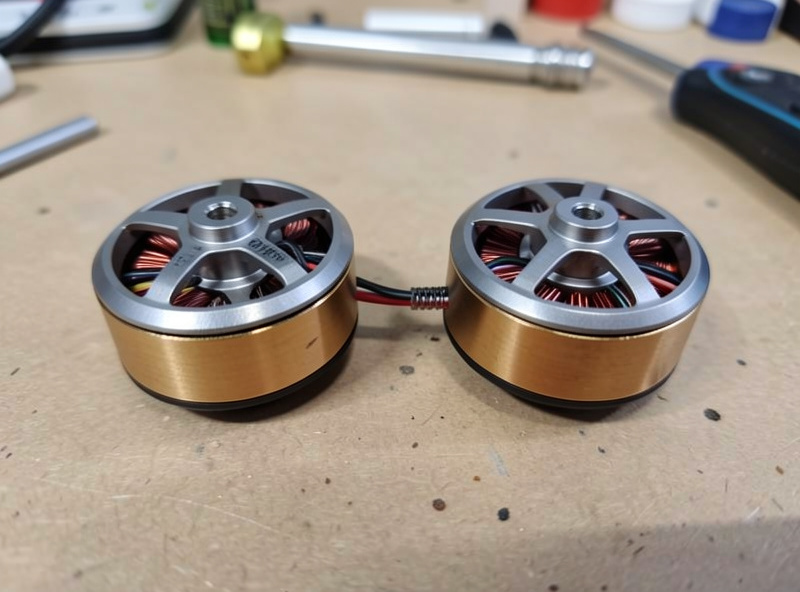
Every millimetre of stator you add is weight, and on a quad weight is never free. A taller, wider stator is a heavier motor, and four of them sit out at the ends of the arms where mass hurts handling most. More rotating and outboard mass makes a quad feel slower to change direction and harder to stop cleanly, and it costs flight time because the bird is simply heavier to hold up. This is why you do not just buy the biggest stator that fits — you buy the smallest one that comfortably drives your prop.
The balance point is the whole game. Too small and the motor overheats fighting the prop; too big and you carry dead weight and lose agility and duration. The standard sizes exist because the community found the sweet spot for each prop class, which is why a 2207 on a 5-inch and a 1507 on a cinewhoop are not arbitrary — they are the lightest stators that drive those props without strain. On my long-range 7-inch I accept the heavier 2807 stators precisely because that build prizes efficiency and endurance over agility, and the tall efficient stator earns its weight by sipping current on a big slow prop. Match the trade to the mission and the weight stops being a penalty and becomes a choice.
Undersize the stator and the motor runs hot, sags the pack, and wears out fast because it is working flat out the whole flight. Oversize it and you carry dead weight, draw more current than you need, and shorten flight time for performance you never use. Both errors cost money — the first in burned motors, the second in wasted capacity and a heavier, less efficient quad.
The good news is that the standard sizes exist precisely because the community converged on what works. If you build a 5-inch on 2207s, a cinewhoop on 1507s, and a long-range on 2807s, you are inside the proven envelope and the rest is fine-tuning. Stray outside it only when you have a specific reason and understand the trade you are making. When a stator does eventually give up — usually a bearing or a crash-killed bell — the diagnosis and swap are in my motor replacement guide.
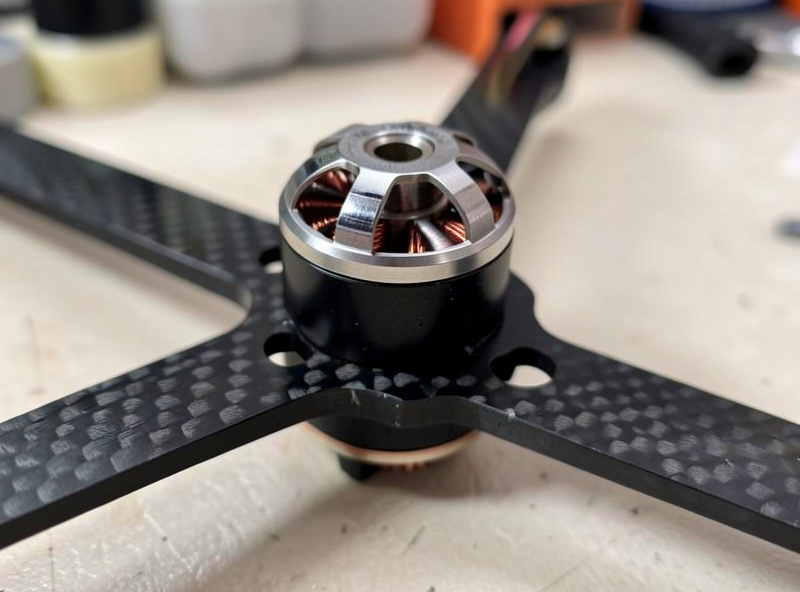
Work from the prop, which works from the quad. Decide what you are building — tinywhoop, cinewhoop, 5-inch freestyle, 7-inch cruiser — and that fixes the prop size, which fixes the stator class from the table above. Then choose KV for your cell count and a brand you trust. That order never lets me down, and it stops the most expensive beginner mistake: buying a big KV number on a small motor and expecting it to fly like a big one. For the whole decision in one place, the FPV motor selection guide is the hub that ties stator, KV, prop and pack together, and the spec-reading guide covers the rest of the numbers on the page.
The first two digits are the stator width in millimetres and the last two are its height. So 2207 is a 22mm wide, 7mm tall stator. A larger number means a physically bigger stator that makes more torque and can drive a bigger propeller.
Both matter and do different jobs. A wider stator tends to give a snappier, more responsive feel, while a taller stator packs more copper for more raw power and top-end. The 2207 versus 2306 debate is exactly this trade, and the real-world difference is small.
A 22xx stator, with 2207 being the modern all-round default and 2306 a slightly snappier alternative. Both drive a 5-inch prop well on 6S. The choice between them matters far less than getting the stator class right for the quad.
No. KV sets speed per volt, not power. A small stator physically cannot make the torque a big prop needs, no matter how high its KV. Stator size sets the power class, and KV only tunes how that power is delivered.
It runs hot, sags the battery, and wears out quickly because it works at the edge of its torque the whole flight. The clearest warning sign is a motor too hot to hold a finger on after landing. The fix is sizing up the stator or easing the prop.
Choosing an FPV motor comes down to three numbers and one honest question. The numbers…
KV is the single number on an FPV motor that confuses beginners most, and it…
Leave a Reply