The Cinewhoop Guide: Ducted FPV for Smooth, Safe Footage
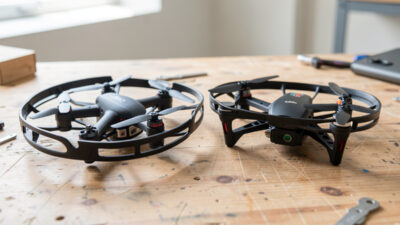
A cinewhoop is a ducted FPV quad built for smooth, close-up footage rather than speed.…
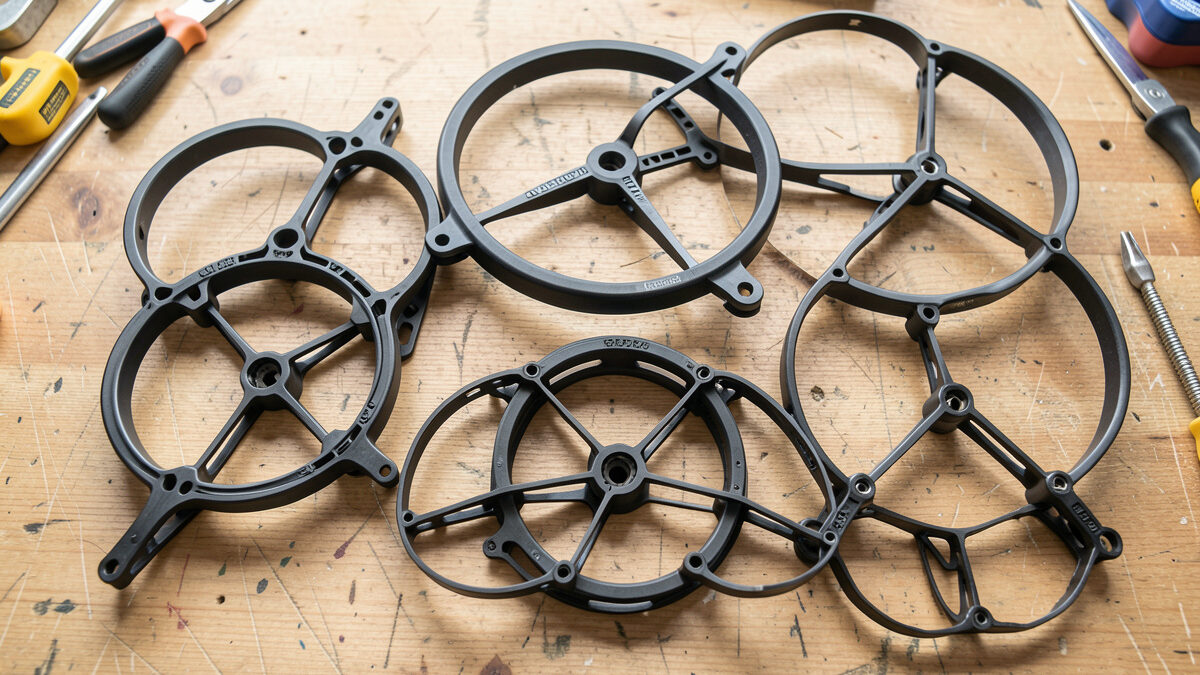
The best cinewhoop frame in 2026 is the one matched to your prop size, camera, and battery — not the one with the most marketing. For most pilots that means a 3-inch ducted frame in tough injection-molded or polycarbonate construction, sized to carry a naked action camera on a 4S pack. Get the class right first; the brand matters less than the fit.
I build my own cinewhoops, and the frame is the decision everything else hangs off. Pick the wrong size or a flimsy duct design and no amount of tuning saves it. This is a buyer’s guide written from the bench, not a ranked list of SKUs I want you to click — I will tell you how to choose a frame and name the families worth knowing, so you can match one to the footage you actually want. As an Amazon Associate I earn from qualifying purchases.
A cinewhoop frame is judged on four things: duct integrity, weight, camera mounting, and repairability. The ducts are the whole point of the aircraft, so their stiffness and how they handle impacts matter more than grams saved. Weight is a constant fight because every gram of frame is a gram off your already-short flight time. The camera mount has to hold your chosen action camera at the right angle without flexing. And because you will hit things, the frame should be cheap and quick to repair — replaceable ducts are a real advantage.
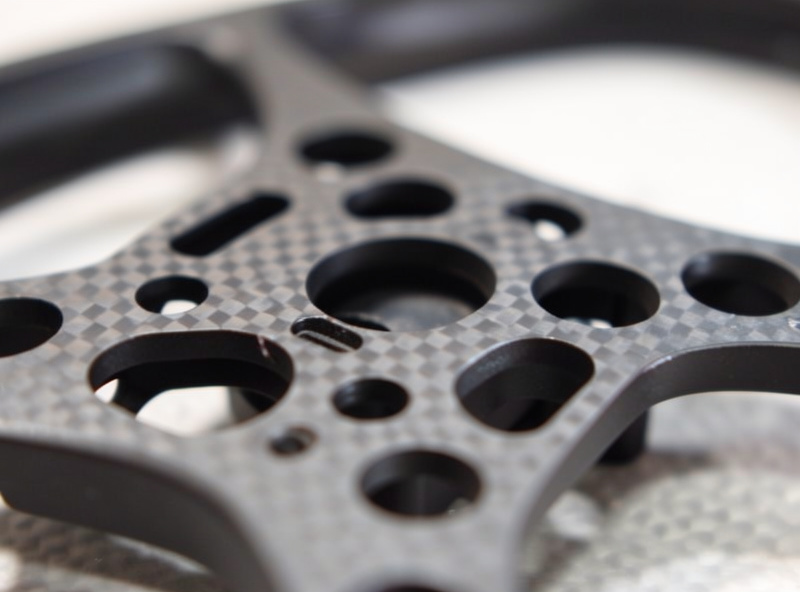
The materials split into two camps. Injection-molded polypropylene or nylon-composite ducts flex and survive impacts well, which is why most modern cinewhoops use them. Carbon-fiber is used for the central plate that carries the stack and motors, where stiffness matters. The best frames combine a carbon core with flexible ducts — rigid where it counts, forgiving where it crashes.
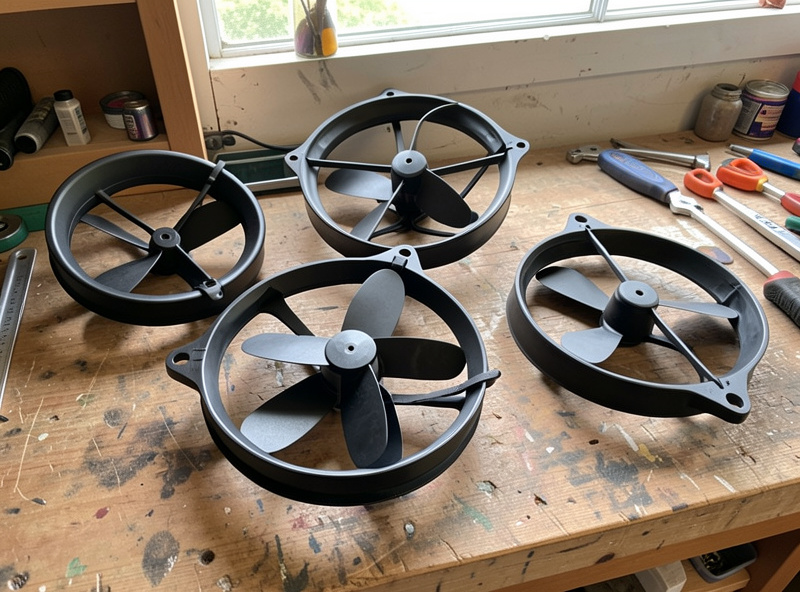
Frame choice starts with prop size, because the frame defines it. The four common classes each suit a different job, and choosing the class is 80% of choosing the frame. The table below is how I sort them before I look at any brand.
| Frame class | Prop size | Carries | Battery | Best for |
|---|---|---|---|---|
| Sub-250 micro | 2 to 2.5 inch | Naked cam / onboard HD | 3S–4S small | Tight indoor, lighter rules |
| Standard 3-inch | 3 inch | Naked action cam | 4S 650–1100 mAh | The all-rounder pick |
| 3.5-inch | 3.5 inch | Full action cam | 4S–6S | Heavier cameras, outdoor proximity |
| 6S cinelifter | 3.5 to 4 inch | Full-size cinema cam | 6S 1100 mAh+ | Pro payloads, longer lines |
My own build is a 3.5-inch, which I chose because I wanted to carry a full action camera outdoors near subjects. But if someone asks me where to start, I say a standard 3-inch frame every time: it carries a naked action camera, fits through a normal doorway, and is the size with the widest parts support. The full sizing logic is in my complete cinewhoop guide.
Several manufacturers have built reliable cinewhoop frame lines over multiple generations, and sticking to an established family means parts and replacement ducts are easy to find — which matters more than you think when you crack a duct the night before a shoot. iFlight‘s BumbleBee and ProTek lines, GEPRC’s Cinelog series, and Flywoo’s CineRace and similar lines are all long-running families with strong parts support. Shendrones, the shop credited with the original cinewhoop recipe, still makes frames for builders who want the classic approach.
I am deliberately not handing you a ranked list with invented test scores, because frames update constantly and a frame that fits my 3.5-inch build may be wrong for your 3-inch on 4S. What I will say is that established families beat unknown bargains: a frame with three generations behind it has had its weak ducts and bad camera mounts designed out. Search current options and read the parts availability before the reviews. As an Amazon Associate I earn from qualifying purchases.
You can browse current frames and bind-and-fly cinewhoops here: cinewhoop frames on Amazon and complete bind-and-fly cinewhoops.
If you are building from scratch, you buy a bare frame and choose your own stack, motors, VTX, and camera around it — the most control and the most work. If you want footage faster, a bind-and-fly cinewhoop comes built and tuned, frame included, and you just bind your radio. For a first cinewhoop I do not sneer at bind-and-fly: it teaches you what you actually want before you commit to a parts build.
If you are building, the frame choice ties directly into your stack and motor selection — the frame’s mounting pattern and prop size constrain both. My cinewhoop build guide for beginners walks the whole parts list in order, and the FC/ESC stack guide covers picking electronics to match the frame.
Whatever frame you choose, the ducts are the feature that justifies the whole aircraft, and the most common beginner mistake is treating them as draggy dead weight to trim away. They are the reason you are allowed to fly near people and objects. A frame with cracked or removed ducts is just a heavy, inefficient open quad with none of the safety. Buy a frame whose ducts are easy to replace, and keep spares — on a cinewhoop, ducts are consumables. I cover why in my propguard importance guide.
The frame you can keep flying beats the frame that benched after one crash. When I choose a frame I check three things before buying: are replacement ducts sold separately, is the camera mount a standard pattern, and can I get arms or center plates if I snap one. Established families win on all three. When a duct cracks or an arm snaps, the fix is a quick bench job — my frame repair guide and broken arm repair cover it. Pair a repairable frame with disciplined LiPo care and a cinewhoop lasts seasons, not weeks.
A standard 3-inch ducted frame is the best starting point. It carries a naked action camera, fits through a normal doorway, flies on a common 4S pack, and has the widest parts support of any class. Step up to 3.5-inch only if you need to carry a full-size camera outdoors.
The best cinewhoop frames combine a stiff carbon-fiber center plate that carries the stack and motors with flexible injection-molded ducts that survive impacts. Carbon gives stiffness where it counts; molded ducts flex and absorb crashes where the frame takes hits. Avoid all-rigid ducts that crack on contact.
What matters is parts support and duct quality, not price alone. An established frame family with several generations behind it has had its weak ducts and bad camera mounts designed out, and sells replacement ducts separately. That repairability is worth more over a season than a few grams saved on a bargain frame.
For a first cinewhoop, a bind-and-fly comes built and tuned so you reach footage faster and learn what you want. If you want full control over the stack, motors, and camera, buy a bare frame and build around it. The bare-frame route is more work but teaches you the whole aircraft.
No. The ducts are the reason a cinewhoop can fly safely near people and objects, and removing them leaves a heavy, inefficient open quad with none of that safety. If you want speed and agility, you want a freestyle quad instead, not a stripped cinewhoop.
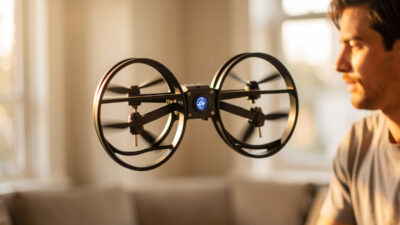
A cinewhoop is a ducted FPV quad built for smooth, close-up footage rather than speed.…
The honest answer to cinewhoop vs freestyle quad is that they are not rivals —…
Leave a Reply