Traveling With a Drone: How to Take Your Sub-250 Anywhere
Travel is the use case the sub-250 class was born for, and it is where…

The most expensive misconception in the entire sub-250 class is the belief that being under 250 grams means you never have to register. I hear it constantly, and in the EU it is simply wrong for the drone most people are actually buying. If your sub-250 drone has a camera — and the popular ones all do — you very likely need to register as an operator before you fly it, weight notwithstanding. This article exists to clear that up precisely, and then to point you firmly at the only source that actually governs your flying.
I fly under EU rules in the open category and treat registration as an adult obligation rather than an annoyance. But I want to be careful here, because regulation is exactly the kind of thing where a confident wrong answer does real harm. So I will tell you the principle that holds across the EU framework, explain why the camera changes everything, and then hand you off to your own national authority — because the specifics live with them and they are the only ones who can give you the answer that applies to you.
The first thing to untangle is that “registration” in the drone world usually refers to registering yourself as the operator, not registering the drone as an object. Under the EU framework, the operator is the person or entity responsible for the drone, and operator registration is what puts your accountability on record. You then mark your drone with the operator registration number you receive. This is distinct from any separate product-level marking the drone itself carries from the manufacturer.
People hear “you do not need to register a sub-250 drone” and assume it means no obligations at all. What that statement is really gesturing at is that the very lightest toys — sub-250 drones with no camera or sensor that can capture personal data — can fall outside the operator-registration requirement in the EU. The moment a camera enters the picture, that exemption falls away. And since the entire appeal of the popular sub-250 class is the camera, the exemption does not apply to the drone most people are buying.
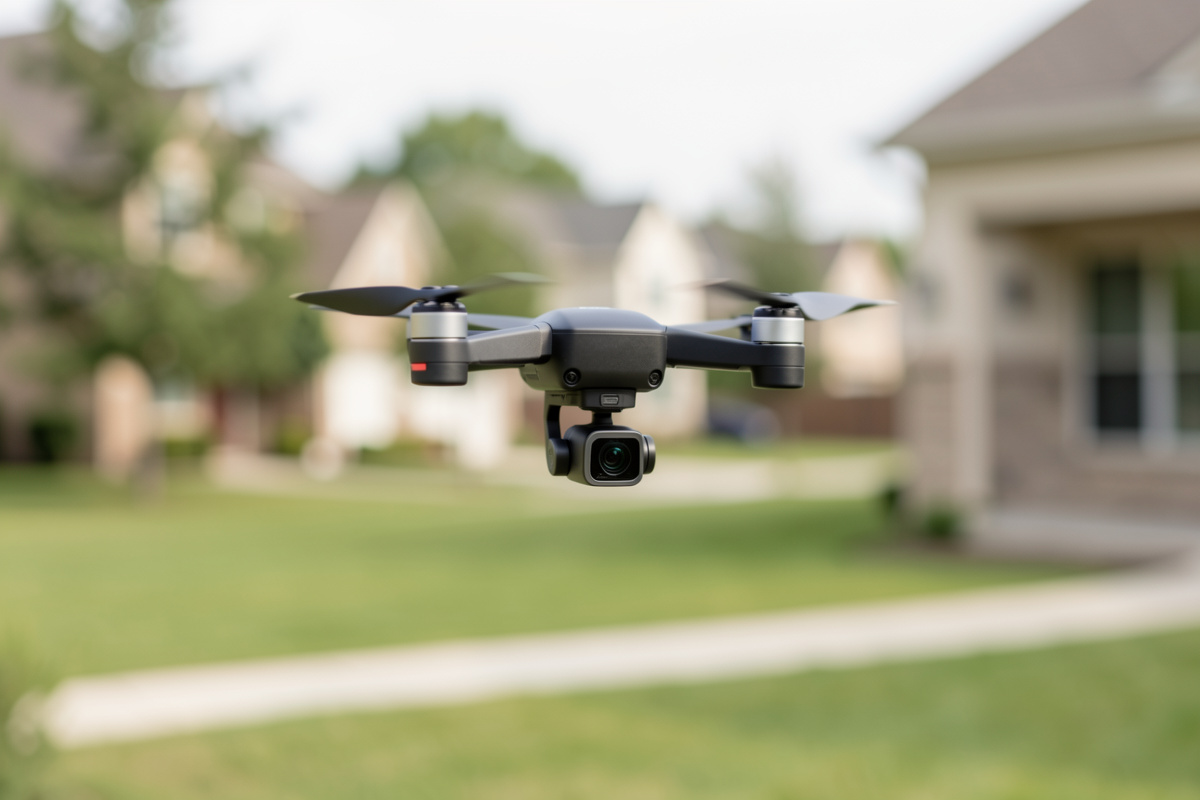
Under the EU framework, the trigger for operator registration is not weight alone — it is whether the drone is equipped with a sensor able to capture personal data, which a camera plainly is. The logic is about privacy and accountability, not just physical risk: a drone that can film people raises obligations that a featherweight camera-less toy does not. So a sub-250 drone with a camera requires operator registration in the EU even though it sits in the lightest weight tier for flying purposes.
This is the single point I most want sub-250 buyers to absorb: the weight class gives you the gentlest flying rules, but it does not exempt your camera drone from operator registration. The two things are governed by different logic. Weight governs how you may fly; the camera governs whether you must register. A drone can be in the lightest flying tier and still require you to register as its operator, and the popular camera-equipped sub-250 is exactly that drone.
What I will not do is recite your country’s exact registration steps, fees, minimum ages, or thresholds as if they were universal, because the EU framework is implemented by each member state’s national aviation authority, and the practical details — where you register, what it costs, the exact process — vary by country and change over time. A step I state wrong could send you down the wrong path with a real legal consequence at the end of it. That is precisely the kind of claim I refuse to fake.
So here is the honest doctrine, and it is the same one I follow myself: find your own national aviation authority’s drone pages and register there before your first flight. They implement the EU framework for your country and they are the only source whose answer actually binds you. Search for your country’s civil aviation authority and “drone registration,” confirm whether your camera-equipped sub-250 needs operator registration (in the EU, it almost certainly does), complete it, and mark your drone with the number you are issued. Treat their pages as the source of truth and treat any blog — including this one — as a pointer, never a substitute.
It is worth understanding why this misconception is so sticky, because that helps you spot it when it pops up in a forum thread or a comment section. The 250-gram line genuinely is a meaningful exemption threshold in the EU framework for many flying obligations, and there genuinely is a category of the very lightest drones — toys with no camera or data-capturing sensor — that can sit outside operator registration. So the kernel of truth is real: some sub-250 drones do not require registration. The error is generalizing that to the camera-equipped drones that make up the popular market.
Add to that the way drone marketing leans hard on “no registration needed” as a selling point, and you can see how a half-true headline becomes a confident falsehood by the time it reaches a new buyer. The cure is the same as for every regulation question: do not trust the headline, the box, or the forum. Trust the authority. When you read your own national aviation authority’s drone pages, the camera question is answered plainly, and you will see for yourself that a camera-equipped sub-250 in the EU lands on the registration side of the line.
Everything above is the EU framework, which is what I fly under and can speak to honestly. If you are in the United States, the rules are different and are owned by the FAA — registration requirements, the recreational framework, and the thresholds all live with them, and I am not a US pilot, so I point you to the FAA directly rather than pretend to lived experience I do not have. Other countries have their own authorities again. The universal takeaway is the method, not a specific rule: identify the authority that governs where you fly, and read their drone pages before you launch.
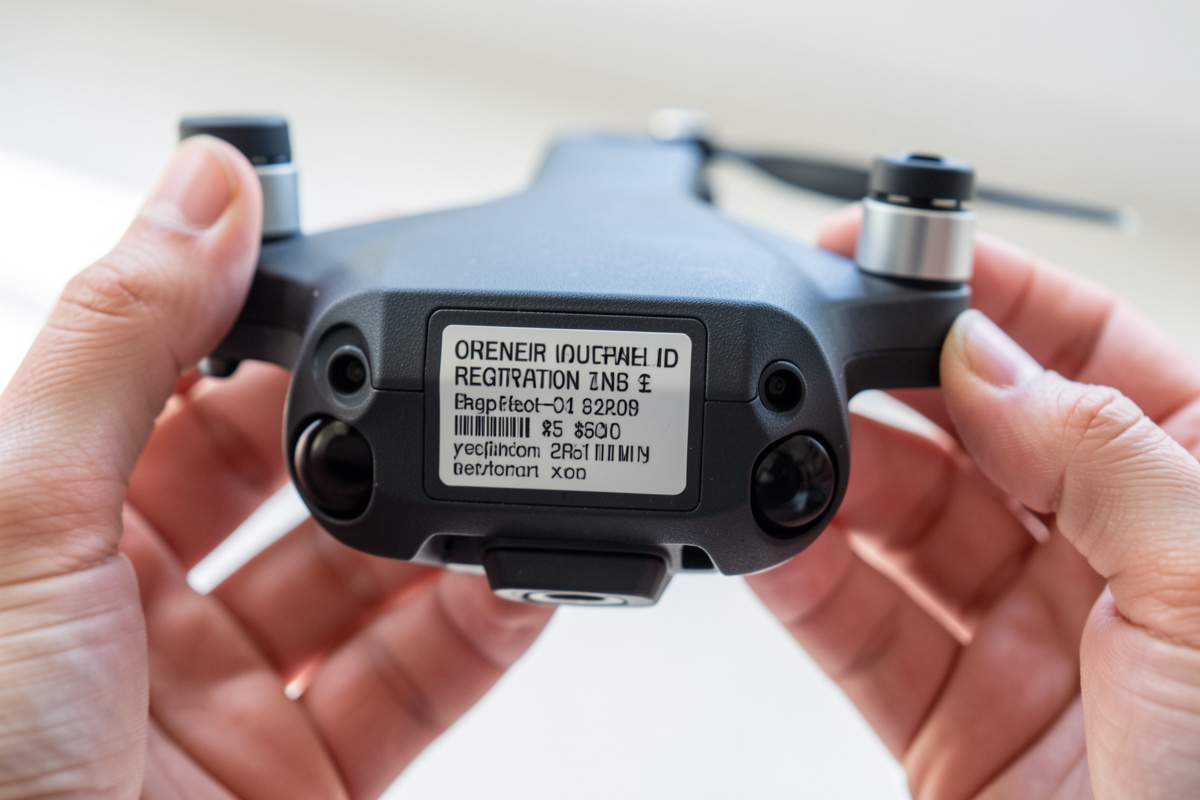
Registration is the one people get wrong most, but it is worth remembering that it sits alongside the other responsibilities the weight class does not remove. Even a registered, perfectly legal sub-250 still has to be flown within visual line of sight, kept clear of airports and restricted airspace, and kept away from people and situations where a failure could cause harm. No-fly zones apply to the lightest drone exactly as they apply to a heavier one. The 250-gram line softens the flying rulebook; it does not hand you the sky.
The mindset that has served me across years of flying is to treat the sub-250 as a real aircraft that happens to be light. Register where required — for a camera drone in the EU, that means you. Fly within the rules. Read your regulator’s pages. Do those three things and the registration question, which trips up so many new pilots, becomes a five-minute task you handle once and then forget about, free to enjoy exactly the kind of easy, low-friction flying the weight class was designed to deliver.
Travel is the use case the sub-250 class was born for, and it is where…
The sub-250-gram drone is the single most consequential weight class in consumer flying, and most…

Wind is the thing the sub-250 class teaches you about first, because it loses the…
Leave a Reply