DJI Mini Class Drones: The Honest Limits of Sub-250 Flying
The DJI Mini class is the drone I recommend to more people than any other,…
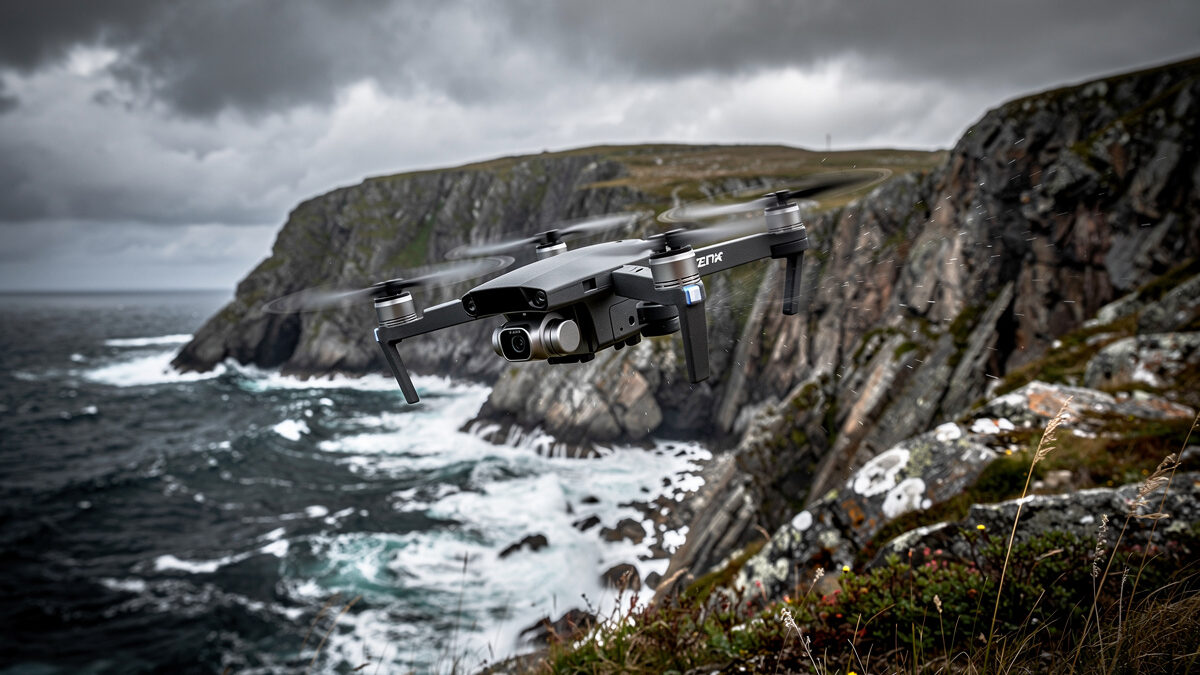
Wind is the thing the sub-250 class teaches you about first, because it loses the argument with a breeze sooner than any other drone you will fly. I learned more about flying lightweight in the first ten minutes my sub-250 spent fighting a coastal gust than any manual ever taught me. This is the honest, from-the-air account of what actually happens when you fly a sub-250 drone in wind, why it happens, and the habits that keep a windy flight from becoming a lost drone.
I fly a sub-250 as my daily, next to a heavier Air-class drone, and the gap between them in wind is the single most dramatic difference between the two. That side-by-side is exactly why I can tell you precisely where the little one’s limits sit and how to fly inside them. None of this is theory; all of it is logged from real flights in real Swedish weather.
It comes down to mass and inertia. A heavier drone has more momentum, which means a gust has to do more work to push it off its position — the drone resists the wind simply by being heavy. A sub-250 airframe has far less mass for the same job, so the same gust moves it more, and the flight controller has to work harder, tilting the drone and spinning the motors faster to claw back its position. You can hear it and, once you know what to look for, you can see it.
This is not a flaw in any particular drone; it is physics applying equally to every aircraft in the weight class. The lightness that earns the sub-250 its gentle rulebook is the exact same lightness that makes it worse at holding station in wind. You cannot engineer your way out of it without adding mass, and adding mass takes you over 250 grams and out of the class. The wind limit is baked into the weight limit. They are the same tradeoff seen from two angles.
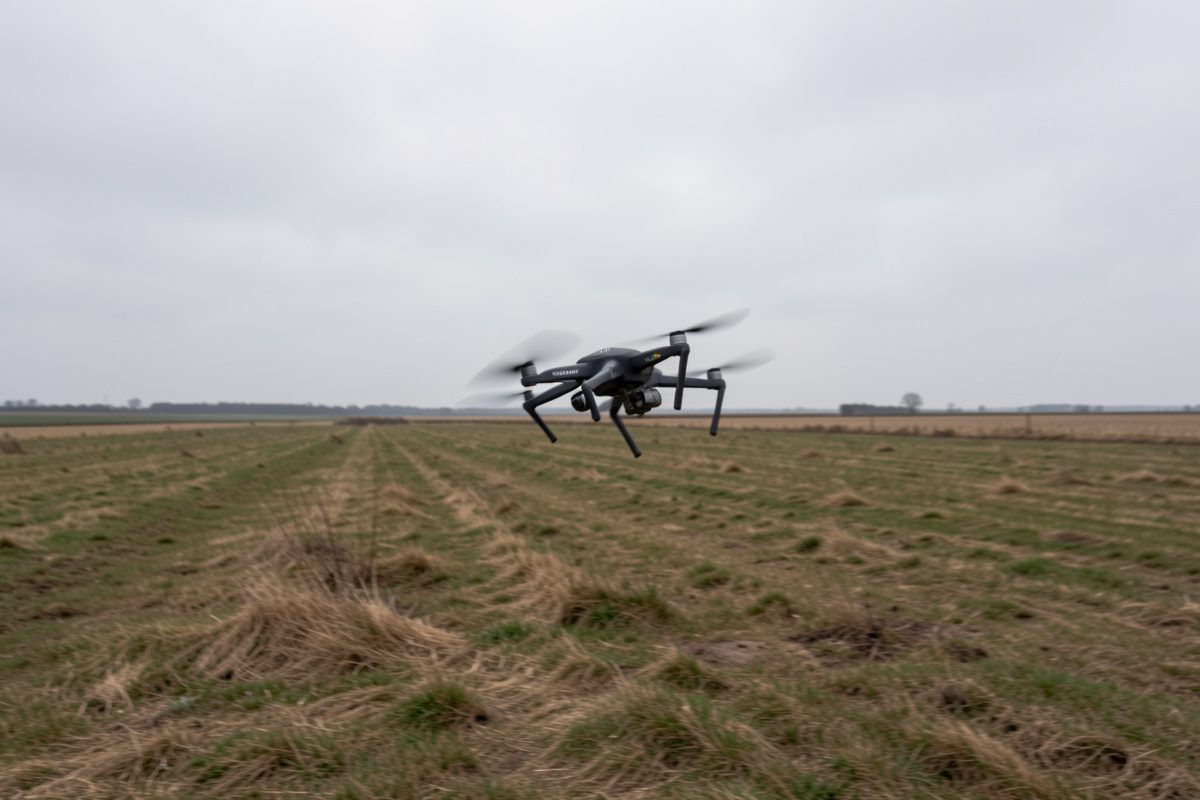
Here is the single most important thing to internalize: the wind where your drone is flying is almost always stronger than the wind you feel standing on the ground. Ground-level wind is slowed by trees, buildings, and terrain. Up where the drone is, that friction falls away and the air moves faster. I have stood in what felt like a gentle breeze and watched my sub-250 fighting genuinely hard at altitude. Judging wind from where you stand will get you into trouble.
The practical reading I trust more than any forecast is the drone itself. When mine starts visibly crabbing — flying at an angle to hold a straight line — and the battery starts draining faster than the distance covered justifies, the wind aloft is winning, regardless of what it feels like on the ground. Many drones will flash a high-wind warning at some point, and I treat that not as “still fine” but as “the drone is telling me it is near its limit, bring it home now.”
The cruelest trap in flying a sub-250 in wind is that the footage lies to you. The gimbal keeps the image smooth and the horizon level long after the airframe has started working hard, so a pilot watching the screen sees calm, stable video and assumes everything is fine. Meanwhile the drone is burning battery fighting the air and may be losing ground against the wind without the screen showing any of it.
The number that matters in wind is not how the footage looks; it is how much battery you have left and which way the wind is blowing relative to home. I make a habit of glancing at battery percentage and distance-to-home far more often in wind than in calm, because the smooth image actively works against my sense of how much trouble I might be in. Trust the telemetry, not the picture.
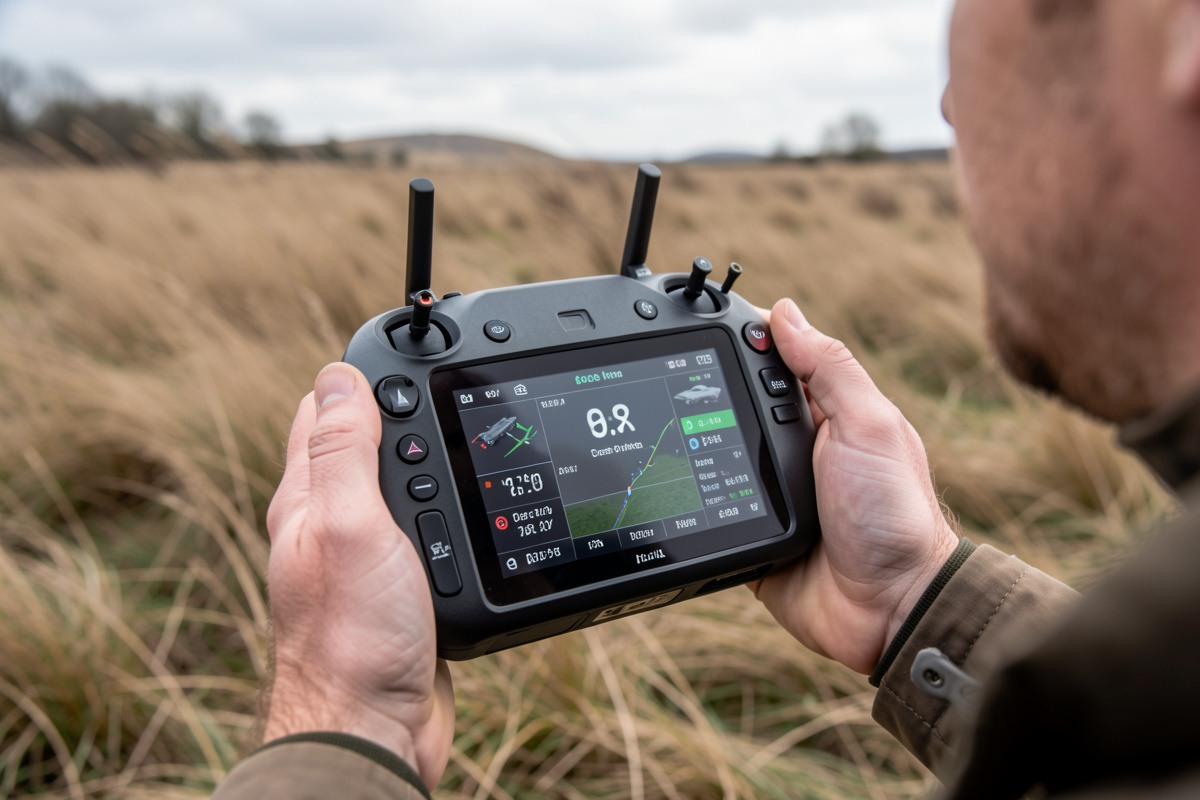
The habits are simple and they are the difference between a fun windy flight and an expensive lesson. First, plan the hard leg first: fly out into the wind while the battery is full, so the return trip is downwind and easy. Battery you spend punching upwind is battery you will desperately want for the way home, and the worst mistake is using your reserve on the outbound leg and then crawling back against the wind on fumes.
Second, keep a generous reserve — I never fly the last fifth of a pack in any wind. Third, keep the drone closer and lower than you would in calm; the higher and farther it is, the more wind it faces and the longer the fight home. Fourth, fly fresh, undamaged propellers, because wind is exactly when a chipped prop’s lost efficiency bites. I keep a stock of replacement drone propellers and swap at the first sign of damage. And carrying spare sub-250 drone batteries means a windy session that drains packs fast does not end your day after one short flight.
Wind rarely shows up alone, and in the seasons I fly most it usually arrives with cold — and cold quietly compounds the problem. A LiPo battery delivers less usable energy when it is cold, so the same pack that gives you a comfortable flight on a mild day gives you noticeably less in winter, right when you are also spending extra energy fighting the wind. The two effects stack: more battery burned fighting gusts, less battery available to burn.
I plan for this in winter by treating my usable flight window as shorter still, keeping the drone closer, and bringing packs out warm rather than letting them sit cold in the car. None of that is pack modification — it is simple care and habit, the same battery discipline I apply everywhere. The point is that a wind assessment in cold weather has to account for a battery that is already starting at a disadvantage, because the trip home in a winter gust is exactly where a cold pack will let you down if you have not left margin for it.
The most underrated skill in the whole hobby is choosing not to launch. If the ground wind already feels strong, the wind aloft will be worse, and a sub-250 may simply not be able to make headway home — at which point the drone is gone, no matter how good a pilot you are. There is no footage worth a lost drone, and there is certainly no footage worth a drone going somewhere you cannot follow it.
I have packed up without flying more times than I can count, and I have never once regretted it. The sub-250 is a fair-weather specialist that handles a moderate breeze with respect and care. Pushed into genuinely strong wind, it is outmatched by its own weight class, and the honest move is to wait for a better day. Knowing where that line sits — and being willing to honor it — is what separates pilots who keep their drones from pilots who replace them. Before flying abroad, also know where you stand on registration — the EU drone registration guide for sub-250 aircraft explains which scenarios still require paperwork even under the weight threshold.
The DJI Mini class is the drone I recommend to more people than any other,…
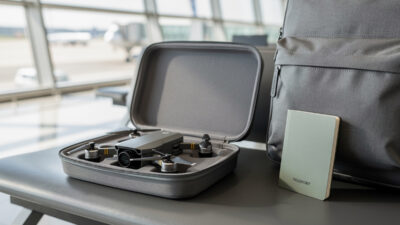
Travel is the use case the sub-250 class was born for, and it is where…
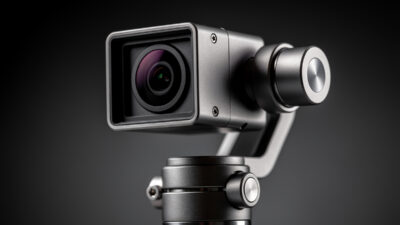
I came to drones from the lens bench, and that background changed how I evaluate…
Leave a Reply